

Operation Process and Working Principle of Air-Solid Pneumatic Conveying Equipment for Wet Sodium Ni
This article provides a detailed overview of the operation process and working principle of air-solid pneumatic conveying equipment designed for handling wet sodium nitrate. The equipment is engineered to efficiently transport this specific material, ensuring safe and reliable handling in industrial applications. As a leading manufacturer in the field, Shandong HeadPowder Engineering Co., Ltd. specializes in developing advanced solutions tailored to the unique challenges of processing and conveying wet sodium nitrate.
Company Profile: Shandong HeadPowder Engineering Co., Ltd.
HeadPowder, the brand under Shandong HeadPowder Engineering Co., Ltd., is a professional manufacturer based in Shandong, China. With years of experience in the engineering and manufacturing of pneumatic conveying systems, the company has established itself as a trusted provider of high-quality equipment for various industrial sectors. The company's commitment to innovation and customer satisfaction has enabled it to deliver reliable solutions that meet the stringent requirements of modern industrial operations.
Working Principle of the Air-Solid Pneumatic Conveying System
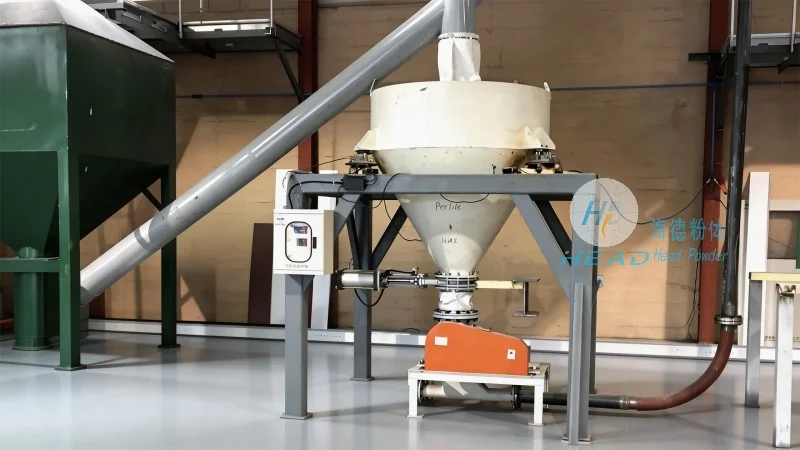
The air-solid pneumatic conveying equipment for wet sodium nitrate operates on the principle of transporting solid particles through a pipeline using a stream of air or other gas. The system typically consists of a hopper, a rotary valve, a conveyor pipe, and a dust collector. The wet sodium nitrate is fed into the hopper, where it is mixed with a controlled amount of air or gas. The rotary valve then meters the material into the conveyor pipe, where the air flow propels the particles forward. The dust collector at the end of the system captures any fine particles, ensuring that the environment remains clean and safe.

Operation Process: Step-by-Step Guide
The operation process of the air-solid pneumatic conveying equipment involves several key steps. First, the wet sodium nitrate is loaded into the hopper. The rotary valve then regulates the flow of material into the conveyor pipe. The air compressor supplies the necessary air pressure to move the particles through the pipeline. As the material travels, it is continuously mixed with air to maintain a consistent flow. The conveying process continues until the material reaches the discharge point, where it is collected in a storage tank or processing unit. The system is designed to operate continuously, with minimal downtime for maintenance.
Technical Features and Advantages
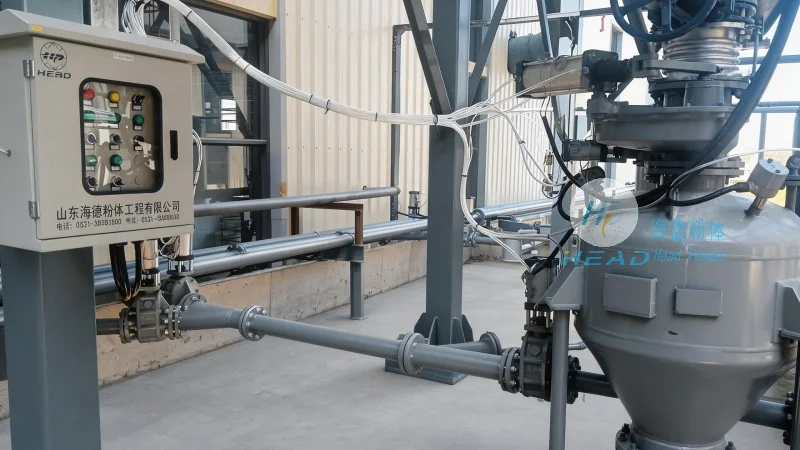
The air-solid pneumatic conveying equipment for wet sodium nitrate offers several technical features that enhance its performance and reliability. The system is equipped with advanced control systems that allow for precise regulation of the air flow and material feed rate. This ensures that the conveying process is optimized for efficiency and minimal energy consumption. Additionally, the equipment is designed with corrosion-resistant materials to withstand the chemical properties of wet sodium nitrate, ensuring long-term durability. The dust collection system is also integrated to meet environmental regulations, making the operation environmentally friendly.
Applications and Industry Impact
The air-solid pneumatic conveying equipment is widely used in various industrial applications where wet sodium nitrate needs to be transported efficiently and safely. These applications include chemical processing, fertilizer production, and food processing industries. The equipment's ability to handle wet materials without the need for additional drying processes makes it a cost-effective solution for many manufacturers. By reducing the risk of material handling accidents and improving overall operational efficiency, the equipment contributes to increased productivity and reduced operational costs.