

Operation Process and Working Principle of Glass Fiber Cellulose Pneumatic Conveying Equipment
For industries dealing with glass fiber cellulose materials, efficient and reliable material handling is crucial. The pneumatic conveying equipment designed by Shandong HeadPowder Engineering Co., Ltd. offers a sophisticated solution to transport these materials with precision and minimal loss. This article explores the operation process and working principle of such equipment, highlighting its key components and the steps involved in material transport.
Introduction to Glass Fiber Cellulose Pneumatic Conveying
Glass fiber cellulose is a widely used material in various industries, including construction, automotive, and electronics. Handling this material requires specialized equipment due to its fine particles and potential for dust generation. The pneumatic conveying system developed by HeadPowder provides an effective method to move these materials from one location to another without the need for mechanical contact, reducing wear and contamination risks.
Key Components of the Pneumatic Conveying System
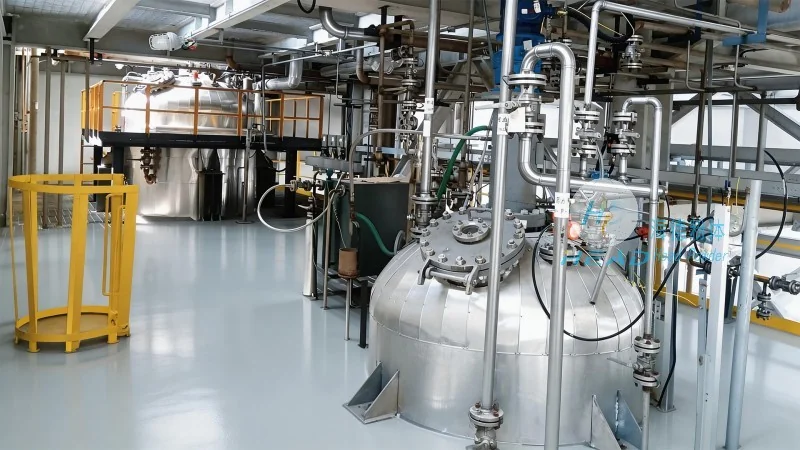
The glass fiber cellulose pneumatic conveying equipment consists of several critical components that work in tandem to ensure smooth operation. These include the hopper for material storage, a rotary valve or feeder to control material flow, a conveying line with appropriate ductwork, a pressure vessel or receiver for material collection, and a dust collector to manage airborne particles. Each component plays a vital role in maintaining the integrity of the material and the efficiency of the conveying process.
The Operation Process of the Equipment
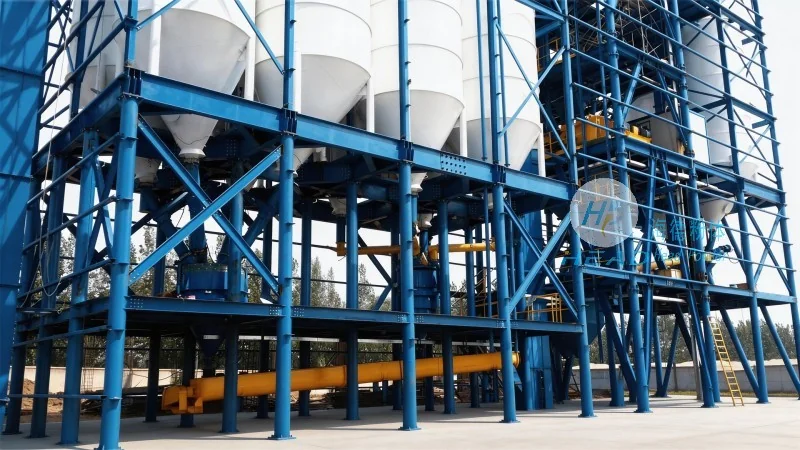
The operation of the glass fiber cellulose pneumatic conveying system begins with the loading of material into the hopper. The rotary valve or feeder then regulates the flow of material into the conveying line. As the material enters the line, a high-pressure air stream is introduced, creating a flow that propels the material through the ductwork. The material is transported to the receiver, where it is collected and stored. The system may also include a dust collection system to capture any fine particles that escape during the process, ensuring compliance with environmental regulations and maintaining a clean working environment.
Working Principle of the Pneumatic Conveying System
The core principle of the pneumatic conveying system is the use of air pressure to move material particles. In the case of glass fiber cellulose, the material is suspended in the air stream and carried through the conveying line. The system operates under either positive or negative pressure, depending on the specific application and material characteristics. Positive pressure systems use compressed air to push the material forward, while negative pressure systems use suction to draw the material through the line. The design of the ductwork, including the size and angle of bends, is critical to maintaining the velocity of the air stream and preventing material deposition or blockages.
Advantages of Using Pneumatic Conveying for Glass Fiber Cellulose
Implementing a pneumatic conveying system for glass fiber cellulose offers several advantages over traditional mechanical conveying methods. These include reduced material degradation due to minimal contact, lower maintenance costs as there are fewer moving parts, improved safety by eliminating the need for manual handling of fine powders, and enhanced process control through precise flow regulation. The system also allows for flexible material transport, enabling the movement of materials between different locations within a facility or even between facilities.
Application Examples and Industry Impact
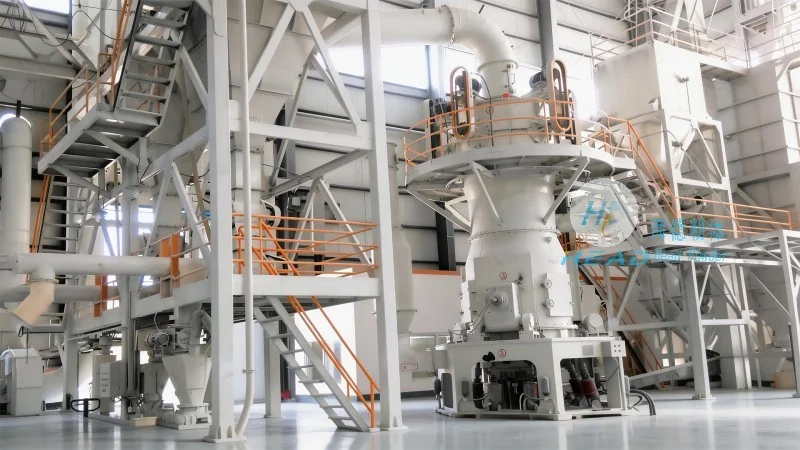
The glass fiber cellulose pneumatic conveying equipment from Shandong HeadPowder Engineering Co., Ltd. has been successfully applied in various industries. For instance, in the construction industry, it is used to transport glass fiber cellulose for insulation and composite materials. In the automotive sector, it helps in the handling of materials for interior and exterior components. The consistent performance of the equipment ensures that production lines operate smoothly, with minimal downtime and material loss. The company's commitment to quality and innovation has made their pneumatic conveying systems a preferred choice for businesses seeking reliable material handling solutions.
Conclusion and Company Information
Shandong HeadPowder Engineering Co., Ltd. specializes in providing advanced pneumatic conveying solutions for industries dealing with glass fiber cellulose and other fine materials. Their equipment is designed to meet the specific needs of each application, ensuring efficient and safe material transport. With a focus on durability, performance, and environmental compliance, HeadPowder's systems contribute to improved productivity and operational efficiency in various industrial settings. Based in Shandong, China, the company leverages its expertise to deliver high-quality solutions that meet the evolving demands of the market.