

Operation Process and Working Principle of PTFE Pneumatic Conveying Lines
PTFE (Polytetrafluoroethylene) pneumatic conveying lines are advanced systems designed for the efficient and reliable transport of powders and bulk materials. As a leading manufacturer in the field, Shandong HeadPowder Engineering Co., Ltd. specializes in providing high-quality PTFE pneumatic conveying solutions tailored to diverse industrial applications. This article delves into the operation process and working principle of these systems, highlighting their key components, operational mechanisms, and benefits.
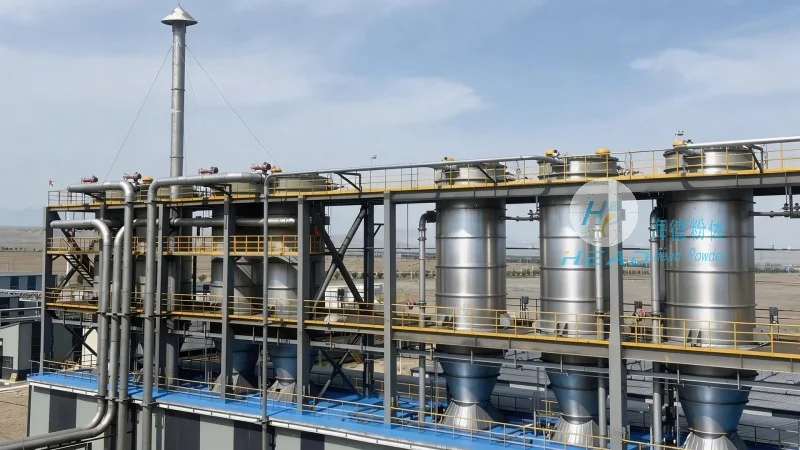
Introduction to PTFE Pneumatic Conveying Lines
PTFE pneumatic conveying lines represent a sophisticated approach to material handling, offering a flexible and cost-effective alternative to traditional methods such as belt conveyors or screw conveyors. These systems utilize compressed air or other gases to transport dry powders and granules through a network of pipes. The choice of PTFE as the primary material for the conveying line is critical due to its exceptional chemical resistance, thermal stability, and low friction properties, making it ideal for handling a wide range of materials, including those that are abrasive, corrosive, or sensitive to moisture.
Key Components of a PTFE Pneumatic Conveying System
A typical PTFE pneumatic conveying system consists of several essential components that work in tandem to ensure smooth operation. These include the material feed hopper, the air compressor or blower, the conveying line (made from PTFE-coated or PTFE-lined pipes), the control valves, and the discharge hopper or collection unit. Each component plays a vital role in the overall performance and efficiency of the system.
Material Feed and Preparation
The process begins with the material feed hopper, where bulk material is stored and prepared for transport. The hopper is equipped with a feeder, such as a rotary valve or a screw feeder, which regulates the flow of material into the conveying line. This step ensures a consistent and controlled feed rate, preventing blockages and maintaining system stability. The material is then introduced into the PTFE pipeline, where it is carried by the flow of air or gas.
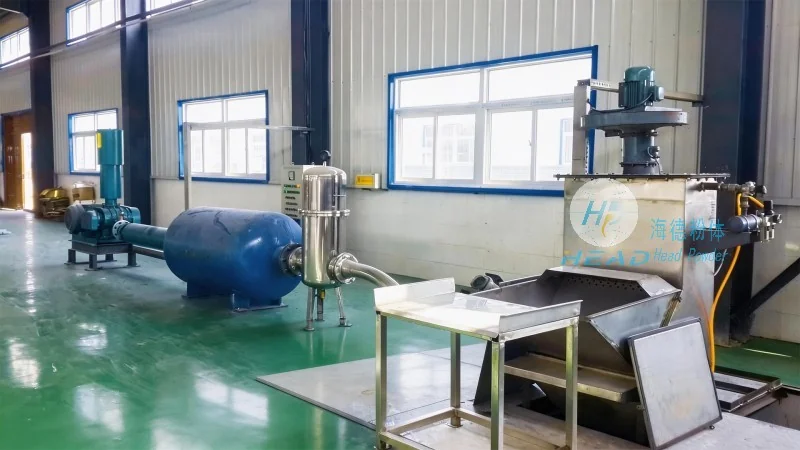
Compressed Air or Gas Supply
The air compressor or blower is the heart of the pneumatic conveying system, providing the necessary pressure and volume of air to move the material through the pipeline. The choice of compressor type (e.g., rotary screw, centrifugal, or positive displacement) depends on the specific requirements of the application, including the material's characteristics, the distance to be conveyed, and the desired flow rate. The compressed air is filtered and regulated to ensure it is clean and free from contaminants that could affect the material or the system components.
Conveying Line Operation
The PTFE conveying line is the central pathway for material transport. Made from PTFE-coated or PTFE-lined steel pipes, these lines offer excellent resistance to chemical corrosion and abrasion, ensuring long service life even when handling aggressive materials. The air and material mixture travels through the pipeline under pressure, with the velocity of the air being sufficient to keep the material suspended and prevent settling. The design of the pipeline, including bends, elbows, and expansion joints, is optimized to minimize pressure loss and maintain efficient flow.
Control Valves and Flow Regulation
Control valves are strategically placed throughout the system to regulate the flow of air and material. These valves allow operators to adjust the pressure, flow rate, and direction of the conveying process as needed. For example, a pressure regulator controls the inlet pressure, while a flow control valve adjusts the speed of material transport. The use of PTFE components in these valves ensures compatibility with a wide range of materials and prevents leakage or contamination.
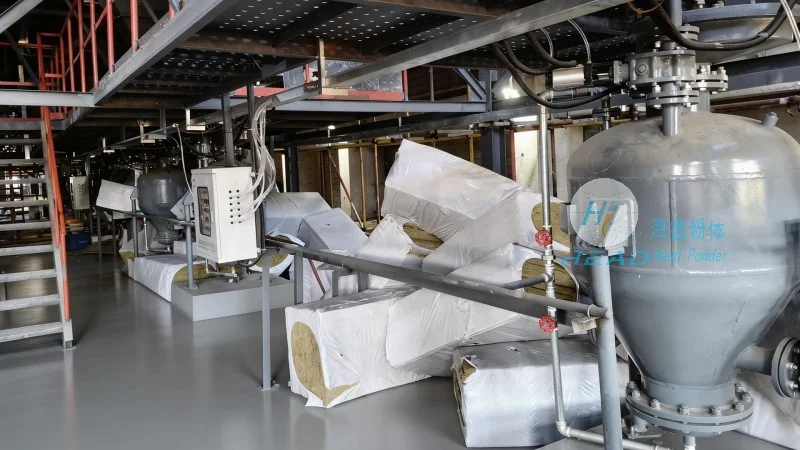
Discharge and Material Collection
At the end of the conveying line, the material is discharged into a collection hopper or storage tank. The design of the discharge point is critical to prevent material buildup or blockages. Often, a venturi or a cyclone separator is used to separate the material from the air stream, allowing the air to be recycled or released safely. The collected material is then ready for further processing or packaging.
Working Principle Explained
The working principle of PTFE pneumatic conveying lines is based on the principle of fluidization and suspension. When compressed air is introduced into the pipeline, it creates a high-velocity flow that lifts and suspends the material particles. The material is carried along the pipeline as a dense or dilute phase, depending on the system design and operating conditions. The key to efficient operation is maintaining a consistent air-to-material ratio, which ensures that the material remains suspended and does not settle or deposit on the pipeline walls.
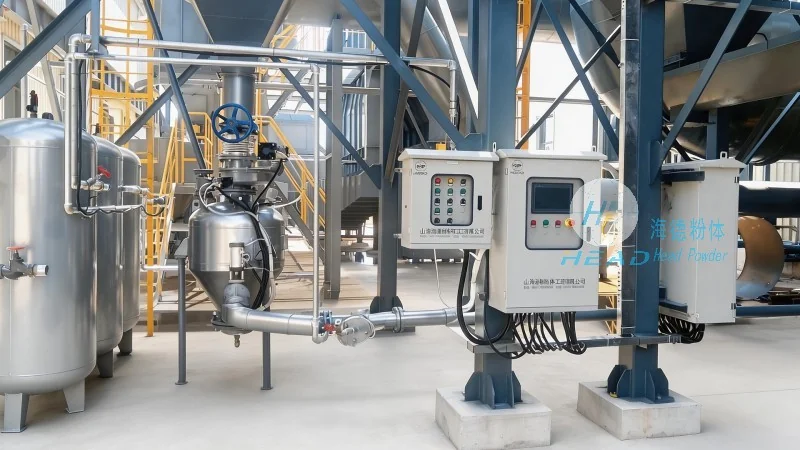
Advantages of PTFE Pneumatic Conveying Lines
PTFE pneumatic conveying lines offer several advantages over traditional material handling methods. These include: 1) High efficiency and speed, allowing for rapid transport of large quantities of material over long distances; 2) Flexibility in system design, as the pipeline can be easily configured to suit different layouts and requirements; 3) Low maintenance costs due to the corrosion-resistant and wear-resistant properties of PTFE; 4) Ability to handle a wide range of materials, including those that are difficult to transport by other means; 5) Reduced risk of contamination and product degradation, as the system is enclosed and sealed.
Applications and Industries
PTFE pneumatic conveying lines are widely used in various industries, including pharmaceuticals, food processing, chemical manufacturing, and mining. In the pharmaceutical industry, they are used to transport active ingredients and excipients with high purity requirements. In food processing, they handle powders such as flour, sugar, and spices, ensuring hygiene and product quality. In chemical manufacturing, they transport corrosive or abrasive materials, protecting the system from damage and contamination. In mining, they are used to transport ore and minerals from processing plants to storage or further processing facilities.
Conclusion
PTFE pneumatic conveying lines represent a sophisticated and efficient solution for material handling in modern industrial applications. With their robust design, corrosion resistance, and flexibility, these systems offer significant advantages over traditional methods. As a leading manufacturer, Shandong HeadPowder Engineering Co., Ltd. continues to innovate and provide high-quality PTFE pneumatic conveying solutions that meet the evolving needs of various industries. By understanding the operation process and working principle of these systems, users can optimize their material handling processes and achieve higher productivity and efficiency.