

Operation Process and Working Principle of Purified Ash Pneumatic Conveying Lines
HeadPowder, a leading provider of industrial solutions, specializes in the design, manufacturing, and installation of advanced pneumatic conveying systems for the handling of purified ash. This article delves into the operation process and working principle of such systems, highlighting the technical aspects and efficiency of the equipment.
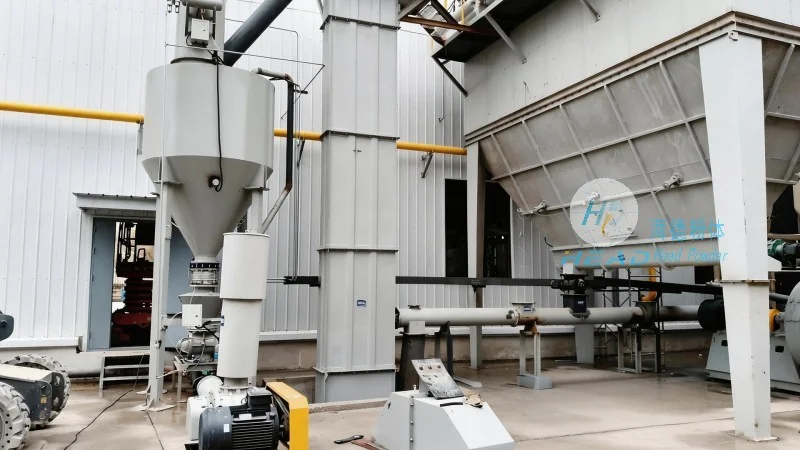
Overview of Purified Ash Pneumatic Conveying Systems
Purified ash, often a byproduct of power generation or industrial processes, requires efficient and reliable transportation to storage or processing facilities. Pneumatic conveying lines offer a solution that minimizes dust emissions, reduces labor costs, and enhances overall operational safety compared to traditional methods like bucket elevators or belt conveyors. The systems are engineered to handle fine to medium-sized ash particles, ensuring consistent flow and minimal degradation of the material.
Key Components of the Pneumatic Conveying Line
The purified ash pneumatic conveying system consists of several critical components that work in tandem to achieve effective material transport. These include the hopper (for material storage and feeding), the air compressor (to generate the necessary air pressure), the conveying pipeline (which transports the ash), the control valves (to regulate air flow and material discharge), and the dust collection system (to ensure environmental compliance and safety).
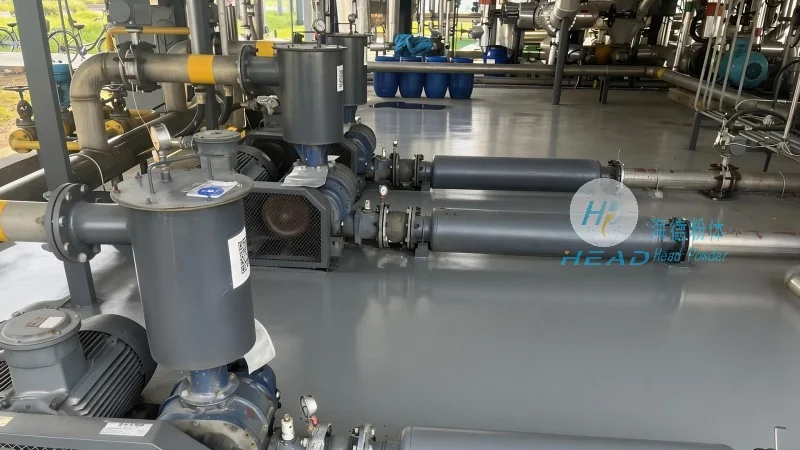
Working Principle of the System
The operation of the purified ash pneumatic conveying line begins with the material being fed into the hopper. The air compressor then generates high-pressure air, which is introduced into the conveying pipeline. As the air flows through the pipeline, it creates a negative pressure or positive pressure environment, depending on the system design, to draw the ash particles into the line. The ash is then carried along the pipeline by the moving air stream, reaching the discharge point where it is deposited into the receiving container. The control valves play a crucial role in managing the air flow and ensuring that the material is discharged at the correct rate and location.
Operation Process: Step-by-Step Guide
The operation process of the purified ash pneumatic conveying line involves several sequential steps to ensure smooth and efficient material transport. First, the ash is loaded into the hopper, and the system is initiated by starting the air compressor. The control system then adjusts the air pressure and flow rate to match the material characteristics and required discharge rate. As the ash is conveyed, the system continuously monitors the pressure and flow parameters to maintain optimal performance. The discharge point is controlled by the valves, which open or close to regulate the ash flow. The dust collection system operates concurrently to capture any airborne particles, ensuring that the process complies with environmental regulations and maintains a safe working environment.
Advantages of Using Purified Ash Pneumatic Conveying Lines
Implementing a purified ash pneumatic conveying line offers numerous advantages over traditional material handling methods. These include reduced dust emissions, which improves air quality and worker safety; lower maintenance costs due to fewer moving parts compared to mechanical conveyors; increased flexibility in system layout, allowing for longer or more complex pipeline configurations; and enhanced material handling efficiency, which can lead to higher production throughput. Additionally, the systems are designed to be energy-efficient, with modern air compressors and control systems optimizing power consumption.
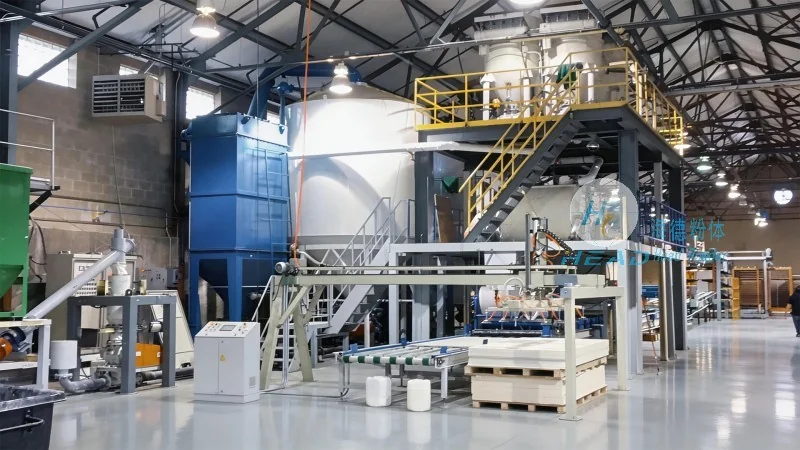
Application Scenarios
Purified ash pneumatic conveying lines are widely used in various industrial applications, particularly in power plants, cement factories, and waste management facilities. In power plants, the system is used to transport fly ash from the boiler to storage silos or for further processing. In cement factories, it helps in conveying raw materials or finished products, ensuring a consistent supply chain. The systems are also utilized in waste treatment plants to handle ash from incineration processes, contributing to sustainable waste management practices.
Conclusion
HeadPowder's purified ash pneumatic conveying lines represent a sophisticated solution for efficient and safe material handling in industrial settings. By understanding the operation process and working principle, users can appreciate the technical advancements and benefits of these systems. With a focus on quality and reliability, HeadPowder continues to provide tailored solutions that meet the specific needs of its clients, ensuring optimal performance and compliance with industry standards.