

Operation Process and Working Principle of Oat Flour Pneumatic Conveying Line
For those in the food processing industry, particularly those handling oat flour, efficient and reliable material handling is crucial. Pneumatic conveying systems have emerged as a preferred solution for transporting bulk materials like oat flour, offering advantages such as reduced contamination, lower maintenance, and improved safety compared to traditional methods. This article delves into the operation process and working principle of an oat flour pneumatic conveying line, highlighting the technology's benefits and practical applications.
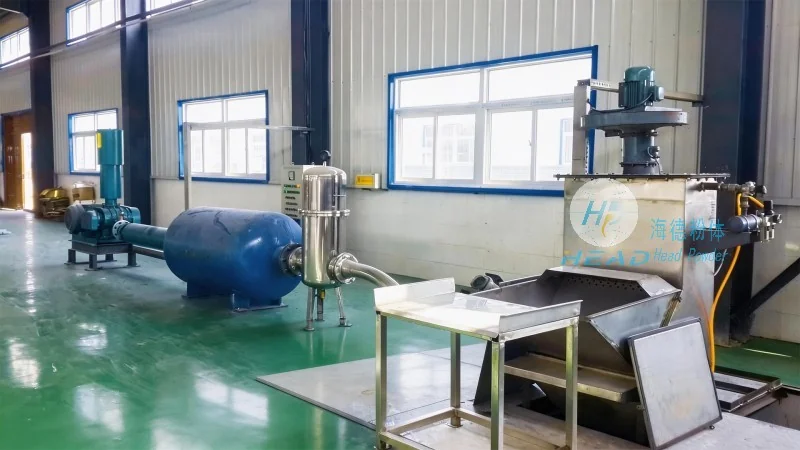
Overview of Pneumatic Conveying Technology
Pneumatic conveying, also known as air conveying, is a method of transporting bulk materials through a pipeline using compressed air. In the context of oat flour processing, this technology is designed to move the fine powder from storage silos or processing equipment to packaging or further processing units. The system typically consists of several key components, including a hopper, a rotary valve, a conveyor line, and a dust collector. Each component plays a vital role in ensuring the smooth and efficient transfer of oat flour.
Key Components of an Oat Flour Pneumatic Conveying Line
The effectiveness of an oat flour pneumatic conveying system relies on the integration of specialized components tailored to the unique properties of oat flour. The primary components include:
1. Hopper: The hopper serves as the initial storage and feeding unit, holding the oat flour before it is transferred. It is designed with a sloped bottom to facilitate the flow of the powder into the conveying line. The hopper may also feature a level indicator to monitor the material level, ensuring consistent feeding.
2. Rotary Valve: The rotary valve acts as a control mechanism, regulating the flow of oat flour from the hopper into the conveyor line. It is equipped with a rotating disc with slots that open and close to allow the material to pass through. This component ensures a controlled and steady flow, preventing overfilling or underfilling of the conveyor line.
3. Pneumatic Conveyor Line: The conveyor line itself is the core of the system, consisting of a series of pipes through which compressed air and oat flour are transported. The line may be either positive or negative pressure, depending on the specific application. Positive pressure systems use compressed air to push the material forward, while negative pressure systems use suction to draw the material through the line.
4. Dust Collector: To maintain a clean and safe working environment, a dust collector is integrated into the system. It captures any airborne particles of oat flour that may escape during the conveying process, preventing dust accumulation and ensuring compliance with health and safety regulations.
The Working Principle of Oat Flour Pneumatic Conveying
The operation of an oat flour pneumatic conveying line follows a systematic process, where each component works in harmony to achieve efficient material transfer. The process begins with the oat flour being discharged from the hopper into the rotary valve. The valve then regulates the flow of the powder into the conveyor line, where it is mixed with compressed air. The air and flour mixture is then propelled through the pipeline to the destination point, such as a packaging machine or a storage silo.
In a positive pressure system, the compressed air is introduced at the inlet of the conveyor line, creating a pressure differential that drives the oat flour forward. The air flow is carefully controlled to maintain a consistent velocity, ensuring that the flour particles are transported without excessive pressure or turbulence. This method is particularly effective for long-distance conveying and for materials that are prone to caking or agglomeration.
In a negative pressure system, the conveyor line is maintained at a lower pressure than the surrounding environment. The suction created by the system draws the oat flour and air mixture through the line, towards the inlet of the dust collector. This approach is often used for shorter conveying distances and for applications where the material is less likely to cause blockages.
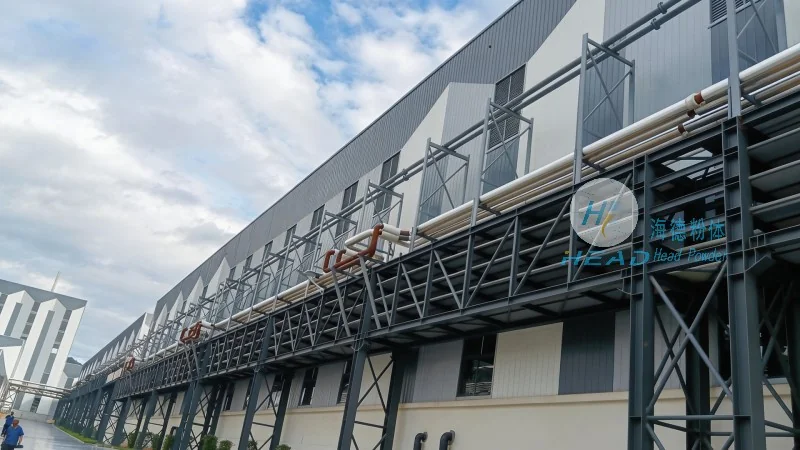
Operation Process of an Oat Flour Pneumatic Conveying Line
The operation process of an oat flour pneumatic conveying line involves several sequential steps, each critical to the overall efficiency and reliability of the system. The process typically includes the following stages:
1. Material Loading: The oat flour is loaded into the hopper from a storage silo or a processing unit. The hopper is designed to accommodate the bulk volume of the material, ensuring a steady supply for the conveying process.
2. Feeding Control: The rotary valve regulates the flow of oat flour from the hopper into the conveyor line. The valve's speed and position are controlled to match the demand of the downstream equipment, preventing overloading or underfeeding.
3. Conveying: Compressed air is introduced into the conveyor line, creating a flow that transports the oat flour to the destination. The air pressure and flow rate are adjusted to maintain optimal conveying velocity, ensuring that the material reaches the target location without excessive pressure or energy consumption.
4. Destination Discharge: At the receiving end of the conveyor line, the oat flour is discharged into a storage silo or a packaging machine. The discharge mechanism is designed to prevent material buildup and ensure a smooth flow into the final container.
5. Dust Collection: Any airborne particles of oat flour are captured by the dust collector, which filters the air and returns clean air to the system or to the environment. This step maintains a clean working environment and prevents dust accumulation in the conveyor line.
Benefits of Using Oat Flour Pneumatic Conveying Systems
Implementing an oat flour pneumatic conveying line offers several advantages over traditional material handling methods. These benefits include:
1. Reduced Contamination: The enclosed system prevents the oat flour from coming into contact with external contaminants, ensuring product purity and meeting regulatory standards.
2. Lower Maintenance: Pneumatic conveying systems have fewer moving parts compared to mechanical conveyors, resulting in lower maintenance costs and longer equipment life.
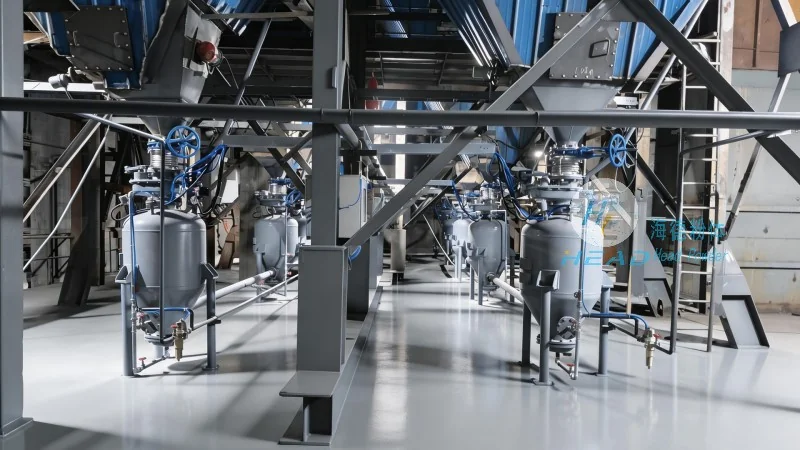
3. Improved Safety: The enclosed design reduces the risk of dust explosions and minimizes the exposure of workers to airborne particles.
4. Energy Efficiency: Modern pneumatic conveying systems are designed to operate efficiently, using minimal energy to transport the material over long distances.
5. Flexibility: The system can be easily modified or expanded to accommodate changes in production volume or to integrate with new processing equipment.
Applications in the Oat Flour Industry
Oat flour pneumatic conveying systems are widely used in various stages of oat flour processing. Some common applications include:
1. Transportation from Storage to Processing: Moving oat flour from bulk storage silos to grinding or milling equipment.
2. Transfer to Packaging: Conveying the processed oat flour to packaging machines for final product packaging.
3. Integration with Other Processing Units: Connecting the pneumatic conveying line to other equipment, such as mixers or blenders, to facilitate further processing.
4. Waste Handling: Transporting waste or byproducts from processing equipment to disposal or recycling facilities.
Conclusion
Oat flour pneumatic conveying lines represent a sophisticated and efficient solution for handling bulk materials in the food processing industry. By understanding the working principle and operation process of these systems, manufacturers can optimize their material handling operations, improve product quality, and enhance overall productivity. With the expertise of companies like Shandong HeadPowder Engineering Co., Ltd., based in China, businesses can implement reliable and cost-effective pneumatic conveying systems tailored to their specific oat flour processing needs.