

Operation Process and Working Principle of Intermittent Pneumatic Conveyors
Intermittent pneumatic conveyors are industrial equipment designed to transport bulk materials through a pipeline using compressed air. These systems are widely used in various industries, including food processing, pharmaceuticals, and chemical manufacturing, due to their ability to handle a wide range of materials while maintaining hygiene and efficiency. The operation of these conveyors involves a series of controlled steps that ensure smooth material transfer from the source to the destination. In this article, we will explore the detailed operation process and working principle of intermittent pneumatic conveyors, highlighting the key components and mechanisms involved.
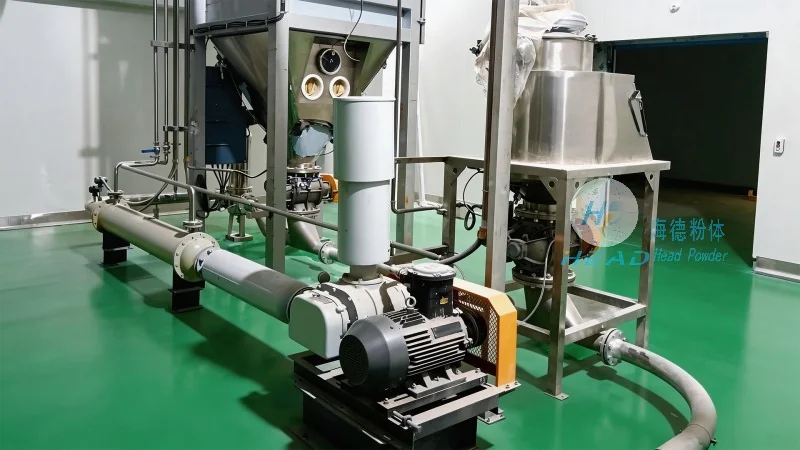
Company Information: Shandong HeadPowder Engineering Co., Ltd.
HeadPowder, a leading manufacturer in the field of material handling equipment, specializes in the design, development, and production of high-quality intermittent pneumatic conveyors. With a strong commitment to innovation and customer satisfaction, HeadPowder has established itself as a trusted partner for businesses seeking reliable and efficient material transport solutions. The company is headquartered in Shandong, China, where it leverages advanced technology and skilled engineering expertise to deliver superior products that meet international standards.
Working Principle of Intermittent Pneumatic Conveyors
The core working principle of an intermittent pneumatic conveyor is based on the use of compressed air to create a pressure differential that propels bulk materials through a sealed pipeline. The system operates by alternating between suction and pressure phases, which allows for the controlled movement of materials. In the suction phase, the conveyor draws material from the source, such as a hopper or storage bin, into the pipeline. This is achieved by creating a negative pressure inside the pipeline, which pulls the material along with the air flow. The material is then transported to the destination, where the pressure is increased to discharge the material into a receiving container. The intermittent nature of the operation ensures that the system can handle different material types and sizes without clogging or excessive wear on components.
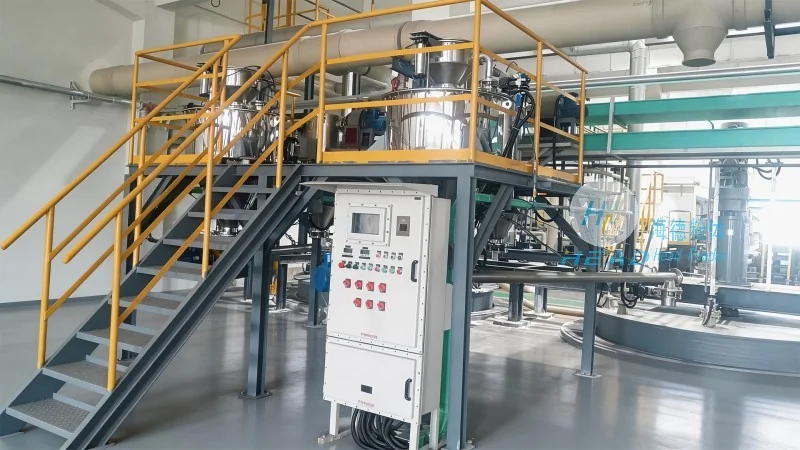
Key Components of Intermittent Pneumatic Conveyors
Several critical components work together to ensure the efficient operation of an intermittent pneumatic conveyor. These include the hopper or feeder, which holds the bulk material and controls the flow rate; the air compressor, which provides the necessary compressed air; the pipeline system, which transports the material and air; the control valves, which regulate the pressure and flow; and the discharge valve or receiver, which collects the material at the end of the line. Each component plays a vital role in maintaining the system's performance and reliability. For instance, the hopper is designed to prevent material bridging and ensure a consistent feed rate, while the air compressor must be capable of delivering sufficient pressure to overcome resistance in the pipeline. The control valves are essential for managing the suction and pressure phases, allowing for precise control over the material transfer process.
Operation Process of Intermittent Pneumatic Conveyors
The operation process of an intermittent pneumatic conveyor typically involves the following steps: 1. Material Loading: The bulk material is loaded into the hopper or feeder, where it is held in a ready-to-transfer state. 2. Suction Phase: The system initiates the suction phase by reducing the pressure inside the pipeline. This creates a vacuum that draws the material from the hopper into the pipeline along with the air. 3. Transport Phase: The material is carried through the pipeline by the air flow, moving towards the discharge point. The speed of the material depends on the air pressure and the pipeline diameter. 4. Pressure Phase: Upon reaching the destination, the system switches to the pressure phase by increasing the pressure inside the pipeline. This forces the material out of the pipeline and into the receiving container. 5. Cycle Completion: The system then returns to the suction phase, repeating the cycle to continue material transfer. This intermittent operation allows for the efficient handling of materials while minimizing energy consumption and wear on components.
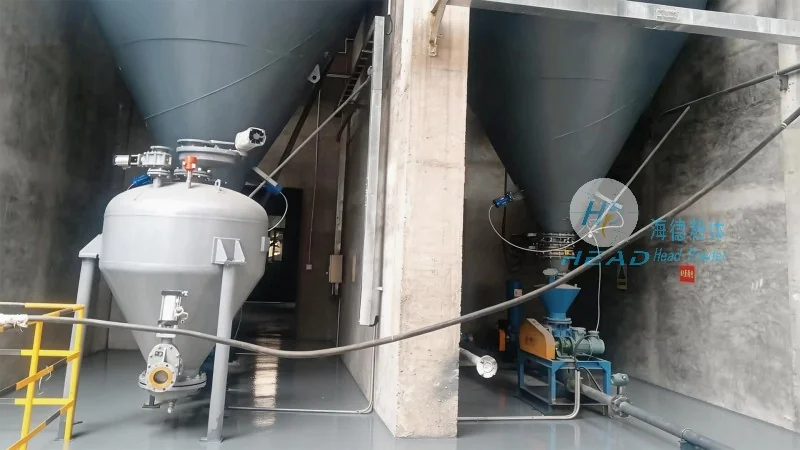
Advantages of Intermittent Pneumatic Conveyors
Intermittent pneumatic conveyors offer several advantages over other material handling methods. One of the primary benefits is their ability to handle a wide variety of materials, including powders, granules, and even wet or sticky substances. The sealed pipeline design ensures that the material remains contained and protected from contamination, which is crucial in industries such as food and pharmaceuticals. Additionally, these systems are relatively compact and can be installed in various configurations, making them suitable for both new and existing facilities. The controlled operation also reduces the risk of material spillage and dust generation, contributing to a cleaner and safer working environment. Furthermore, the intermittent nature of the system allows for energy savings, as the air compressor only operates during the active transfer phases, rather than continuously.
Applications and Industries
Intermittent pneumatic conveyors are used in a diverse range of industries due to their versatility and efficiency. In the food industry, they are commonly employed to transport ingredients such as flour, sugar, and spices from storage to processing lines. The hygienic design of these systems ensures that the materials remain clean and free from contamination, meeting the strict regulations of the food sector. In the pharmaceutical industry, intermittent pneumatic conveyors are used to handle active pharmaceutical ingredients (APIs) and other sensitive materials, where contamination control is paramount. The ability to operate in a closed system prevents cross-contamination and maintains product integrity. In the chemical industry, these conveyors are used to transport powders and granules, such as fertilizers and chemicals, from production areas to storage or packaging facilities. The robust construction of the equipment ensures that it can withstand the harsh conditions and corrosive materials commonly found in chemical processing plants.
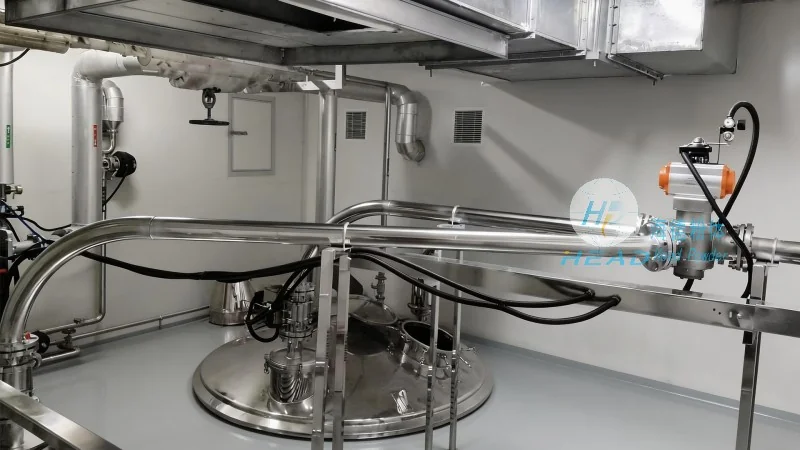
Maintenance and Troubleshooting
To ensure the long-term performance and reliability of intermittent pneumatic conveyors, regular maintenance is essential. Routine checks should be performed on key components such as the air compressor, control valves, and pipeline system. The air compressor should be inspected for proper operation and pressure levels, as insufficient pressure can lead to poor material transfer. The control valves should be checked for proper functioning to ensure the correct suction and pressure phases are maintained. The pipeline system should be inspected for any signs of wear, leaks, or blockages, which can affect the system's efficiency. If issues arise, such as clogging or reduced material flow, troubleshooting steps should be taken to identify and resolve the problem. Common issues include material bridging in the hopper, which can be addressed by adjusting the feed rate or using a vibratory feeder. Leaks in the pipeline can be detected by checking for pressure drops and repaired by replacing damaged seals or fittings. Regular maintenance and timely troubleshooting help to minimize downtime and maximize the operational life of the conveyor system.
Conclusion
Intermittent pneumatic conveyors are a reliable and efficient solution for bulk material transport in various industries. The working principle, based on compressed air and controlled pressure phases, allows for the smooth and hygienic transfer of materials. With proper maintenance and operation, these systems can provide long-term performance and contribute to increased productivity in material handling processes. As a leading manufacturer, Shandong HeadPowder Engineering Co., Ltd. continues to innovate and improve its products to meet the evolving needs of the industry, ensuring that customers receive high-quality equipment that delivers consistent performance and value.