

Operation Process and Working Principle of Malt Pneumatic Conveying System Equipment
Shandong HeadPowder Engineering Co., Ltd., a leading manufacturer in the field, specializes in the design, production, and supply of advanced malt pneumatic conveying systems. Based in Shandong, China, the company leverages its expertise to deliver efficient and reliable solutions tailored to the malt processing industry. This article delves into the operational process and working principles of such systems, highlighting key components and their functions.
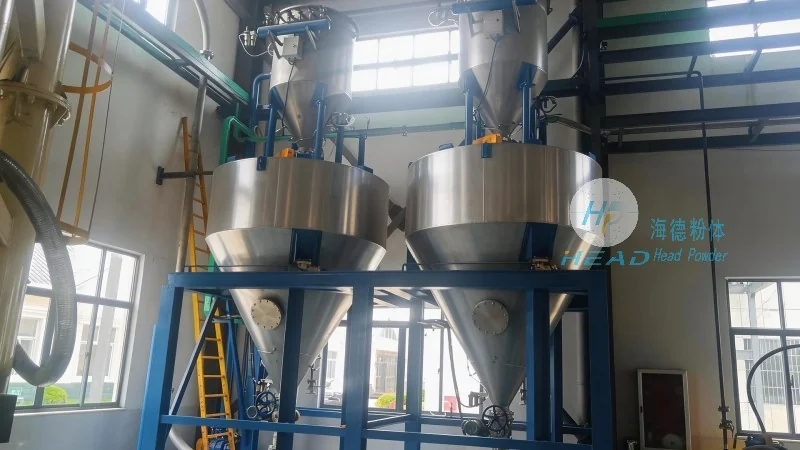
Key Components of Malt Pneumatic Conveying Systems
A typical malt pneumatic conveying system consists of several critical components that work in tandem to ensure smooth material transport. The main elements include a hopper for material storage, a feeder to control the flow rate, a conveyor line (often equipped with a pipeline), a blower or air compressor to generate the necessary air pressure, and a receiver for the delivered malt. Each component plays a vital role in maintaining the system's efficiency and safety.
Working Principle of Pneumatic Conveying
The core principle of pneumatic conveying is the use of compressed air to move dry bulk materials like malt through a pipeline. When the system is activated, the blower generates a high-pressure air stream. The feeder then releases malt from the hopper into the pipeline, where the air stream propels the material forward. The air-malt mixture travels through the conveyor line, and upon reaching the receiver, the air is separated from the malt, typically through a cyclone or filter, allowing the malt to be collected while the air is either recirculated or vented.
Operation Process: Step-by-Step Overview
The operation of a malt pneumatic conveying system follows a systematic process to ensure consistent and efficient material handling. Here’s a detailed breakdown of the typical steps involved:
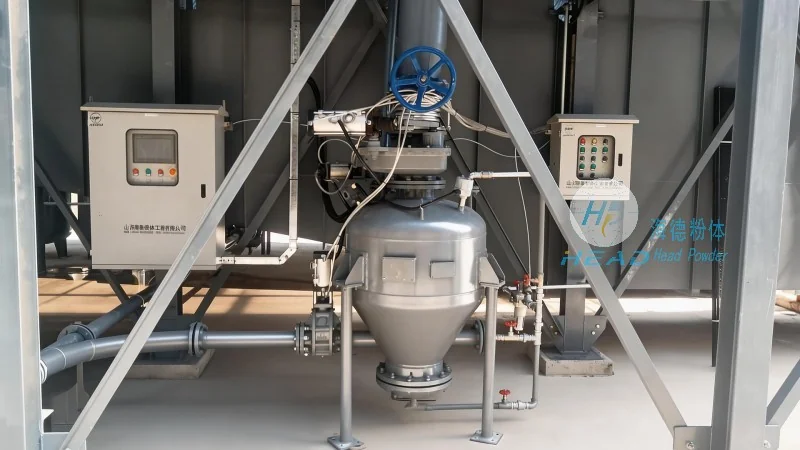
1. Material Loading: The malt is first loaded into the hopper. The hopper is designed with a sloped bottom to facilitate smooth material flow, preventing blockages and ensuring uniform feeding.
2. Feeder Activation: The feeder, often a rotary valve or screw feeder, is activated to control the flow rate of malt from the hopper into the conveyor line. This step is crucial for maintaining a steady air-malt ratio, which directly impacts the system's performance and energy efficiency.
3. Air Compression and Flow: The blower or air compressor starts, generating the required air pressure. The compressed air is introduced into the pipeline, creating a high-velocity air stream that moves the malt particles through the system. The air pressure and flow rate are carefully regulated to match the material characteristics and pipeline length.
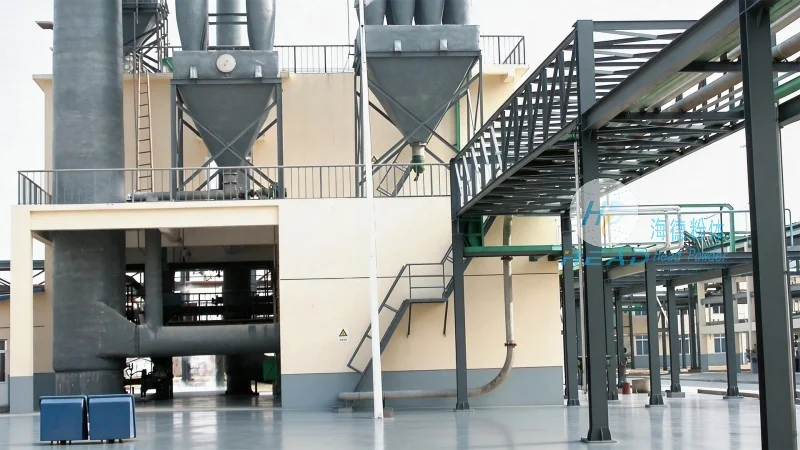
4. Conveying and Transport: As the malt enters the pipeline, it is entrained by the air stream and transported to the receiver. The pipeline design, including bends and straight sections, is optimized to minimize pressure drop and energy loss, ensuring the material reaches the destination without excessive air consumption.
5. Material Discharge and Air Separation: Upon arrival at the receiver, the air-malt mixture enters a separation chamber. The cyclone or filter separates the malt from the air by utilizing centrifugal force. The malt is collected in the receiver, while the air is either recirculated back to the blower or vented to the atmosphere, depending on the system configuration.
Advantages of Malt Pneumatic Conveying Systems
Implementing a pneumatic conveying system for malt processing offers several advantages over traditional methods. These include reduced labor costs due to automated material handling, improved hygiene and dust control, increased safety by eliminating manual handling of bulk materials, and enhanced flexibility in system layout. The systems are also capable of handling varying malt qualities and moisture levels, making them adaptable to different production needs.