

Operation Process and Working Principle of Graphite Electrode Pneumatic Conveying System Equipment
HeadPowder, a leading manufacturer based in Shandong, China, specializes in the design, development, and production of advanced pneumatic conveying systems tailored for graphite electrode applications. This article provides an in-depth exploration of the operational process and underlying principles of such systems, highlighting the technical aspects and practical applications.
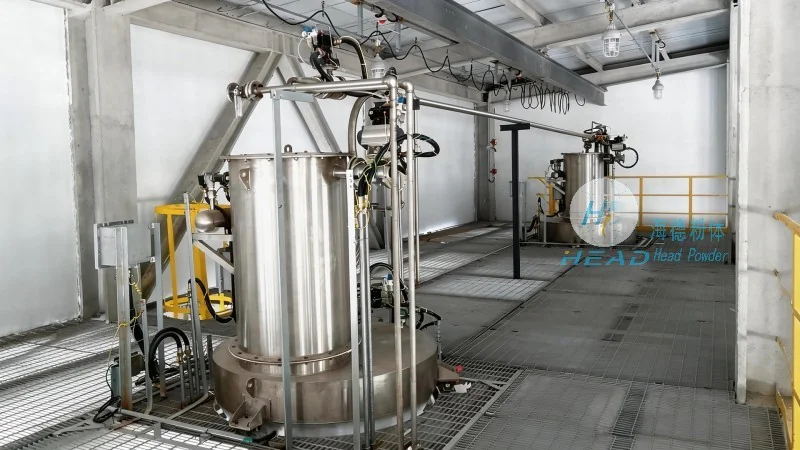
Overview of Graphite Electrode Pneumatic Conveying Systems
Graphite electrode pneumatic conveying systems are engineered to efficiently transport graphite electrodes, a critical component in electric arc furnaces used in steel production. These systems utilize air or other gases to move the electrodes from storage or processing areas to the furnace, ensuring a continuous and controlled supply. The equipment is designed with precision to handle the unique properties of graphite, such as its high electrical conductivity and abrasive nature, while maintaining safety and operational efficiency.
Key Components and Their Functions
The core components of a typical graphite electrode pneumatic conveying system include the hopper, feeder, air compressor, conveying pipeline, and discharge unit. Each component plays a vital role in the overall operation. The hopper serves as the storage vessel, holding the graphite electrodes in a controlled manner. The feeder regulates the flow of electrodes into the system, ensuring a consistent feed rate. The air compressor generates the necessary pressure to move the material through the pipeline. The conveying pipeline, often made of durable materials like stainless steel or special alloys, transports the electrodes under pressure. Finally, the discharge unit releases the electrodes at the target location, such as the furnace feed point.
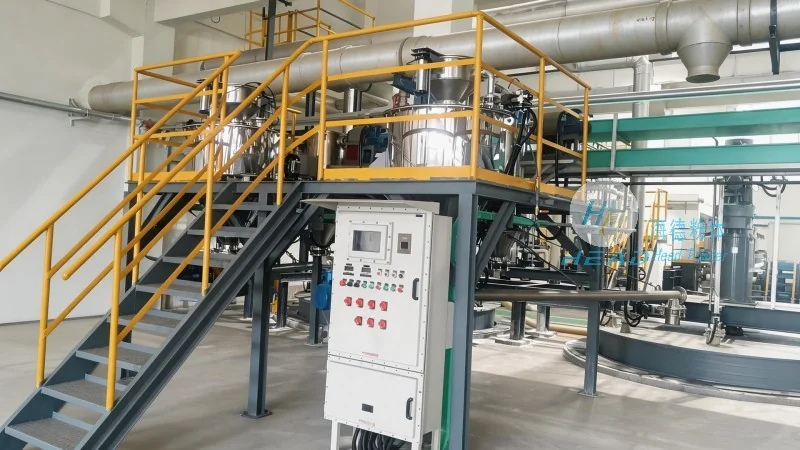
Operation Process of the System
The operation of a graphite electrode pneumatic conveying system follows a systematic sequence. Initially, the graphite electrodes are loaded into the hopper. The feeder then starts, controlling the release of electrodes into the conveying pipeline. Simultaneously, the air compressor activates, producing compressed air that creates a pressure differential within the pipeline. This pressure drives the electrodes forward, moving them through the pipeline to the discharge unit. The discharge unit then releases the electrodes into the furnace or other processing equipment. The entire process is automated, with sensors and control systems monitoring parameters like pressure, flow rate, and material level to maintain optimal performance.
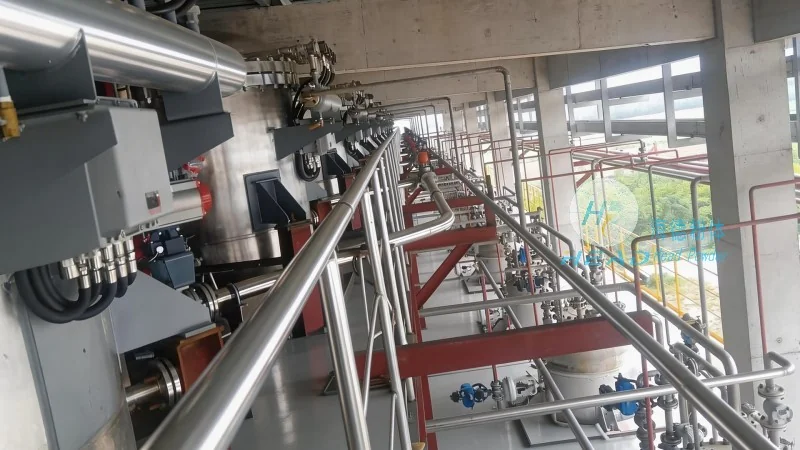
Working Principle of the Pneumatic Conveying Mechanism
The working principle of the system is based on the fundamental concept of pneumatic transport, where solid particles are suspended and transported by a moving gas stream. In this case, compressed air is introduced into the conveying pipeline, creating a high-velocity air flow. The graphite electrodes, due to their size and density, are entrained by the air stream and carried along the pipeline. The pressure differential between the inlet and outlet of the pipeline ensures the continuous movement of the material. The system may employ different conveying modes, such as dilute phase or dense phase, depending on the material characteristics and operational requirements. Dilute phase conveying uses lower air velocities and higher material-to-air ratios, while dense phase conveying uses higher air velocities and lower material-to-air ratios, offering advantages in terms of material handling and system efficiency.
Advantages and Applications
Graphite electrode pneumatic conveying systems offer several advantages over traditional methods, such as manual handling or mechanical conveyors. These systems provide a dust-free and enclosed environment, reducing the risk of contamination and improving safety. They also enable precise control over the flow rate and material distribution, ensuring consistent performance in industrial applications. The systems are widely used in the steel industry, particularly in electric arc furnaces, where reliable and efficient delivery of graphite electrodes is crucial for maintaining production quality and efficiency. Additionally, the compact design of these systems allows for integration into existing industrial facilities with minimal space requirements.