

Operation Process and Working Principle of Lightweight Calcium Carbonate Pneumatic Conveying System
Shandong HeadPowder Engineering Co., Ltd., commonly known as headpowder, is a professional manufacturer and supplier of pneumatic conveying systems for lightweight calcium carbonate. Based in Shandong, China, the company specializes in providing efficient and reliable equipment for the transportation of fine powders. This article will delve into the operation process and working principle of the lightweight calcium carbonate pneumatic conveying system, highlighting the key components and the step-by-step workflow.
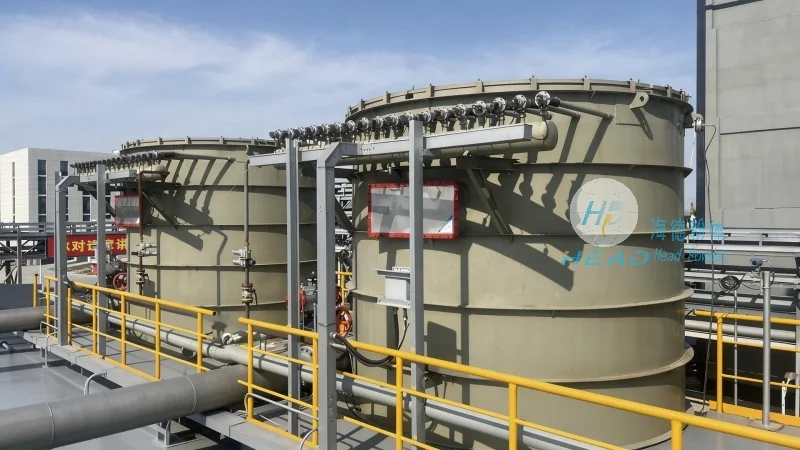
Overview of the Lightweight Calcium Carbonate Pneumatic Conveying System
The lightweight calcium carbonate pneumatic conveying system is a sophisticated piece of equipment designed to transport fine powders such as calcium carbonate over long distances with minimal dust and energy consumption. The system typically consists of several core components, including a feeding device, a conveying pipeline, a gas source system, a separation unit, and a control system. Each component plays a crucial role in ensuring the smooth and efficient operation of the entire system.
Key Components of the Pneumatic Conveying System
1. Feeding Device: This component is responsible for feeding the lightweight calcium carbonate powder into the conveying pipeline. It may include a hopper, a rotary valve, or a screw feeder, which ensures a consistent and controlled flow of material into the system. The feeding device is designed to prevent material bridging and ensure a steady supply of powder to the conveying line.
2. Conveying Pipeline: The pipeline is the main channel through which the calcium carbonate powder is transported. It is usually made of stainless steel or other corrosion-resistant materials to handle the abrasive nature of the powder. The pipeline is equipped with bends, elbows, and other fittings to guide the material to the desired destination. The diameter and length of the pipeline are carefully selected based on the material's properties and the required conveying distance.
3. Gas Source System: This system provides the necessary air or gas to create the pressure or vacuum required for conveying the powder. It typically includes a blower or a vacuum pump, a filter to remove impurities from the air, and a pressure regulator to maintain consistent air pressure. The gas source system is essential for generating the airflow that propels the powder particles through the pipeline.
4. Separation Unit: At the receiving end of the conveying system, a separation unit is used to separate the powder from the air. This may involve a cyclone separator, a bag filter, or a combination of both. The separation unit ensures that the calcium carbonate powder is collected efficiently and that the air is cleaned before being discharged or recirculated.
5. Control System: The control system monitors and regulates the operation of all components in the pneumatic conveying system. It includes sensors to measure pressure, flow rate, and material level, as well as a control panel to adjust the settings as needed. The control system ensures that the system operates safely and efficiently, preventing overloading or underloading of the pipeline.
Operation Process of the Lightweight Calcium Carbonate Pneumatic Conveying System
The operation of the lightweight calcium carbonate pneumatic conveying system follows a systematic process, which can be broken down into several stages:
1. Material Preparation: The lightweight calcium carbonate powder is stored in a hopper or silo. The material is then fed into the feeding device, which controls the flow rate and ensures a consistent supply of powder to the system.
2. Conveying Initiation: The gas source system is activated, and the blower or vacuum pump starts to generate the required airflow. The pressure or vacuum is adjusted to the appropriate level based on the material's properties and the conveying distance.
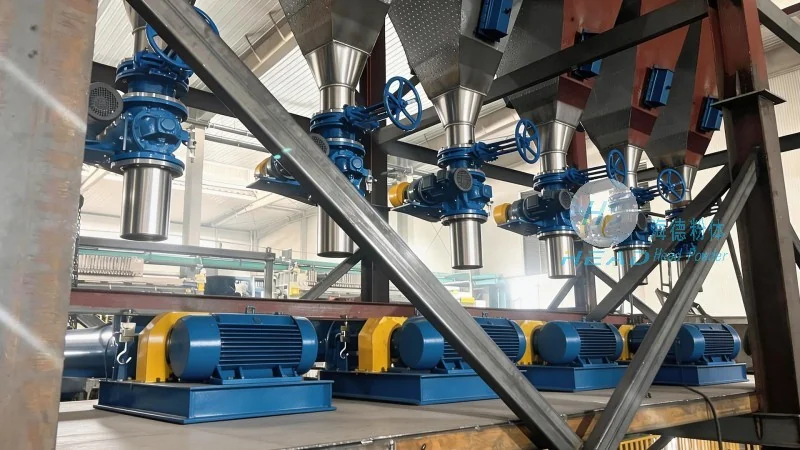
3. Powder Transport: As the air flows through the conveying pipeline, it picks up the calcium carbonate powder particles and transports them to the receiving end. The powder particles are carried by the air stream, which moves them through the bends and fittings in the pipeline.
4. Separation and Collection: At the receiving end, the separation unit is activated. The air and powder mixture enters the cyclone separator, where the powder is separated from the air due to centrifugal force. The separated powder is collected in a container or silo, while the cleaned air is either discharged or recirculated back to the gas source system.
5. System Shutdown: Once the conveying process is complete, the control system shuts down the gas source and the feeding device. The system is then allowed to cool down and any residual powder is cleared from the pipeline.
Working Principle of the Pneumatic Conveying System
The working principle of the lightweight calcium carbonate pneumatic conveying system is based on the principles of fluid dynamics and particle transport. The system utilizes the kinetic energy of the air to move the powder particles through the pipeline. There are two main types of pneumatic conveying systems: pressure and vacuum systems.
1. Pressure System: In a pressure system, the gas source is located at the feeding end of the pipeline. The blower or compressor increases the air pressure, which forces the powder particles to move through the pipeline. The pressure system is suitable for short to medium conveying distances and is commonly used for transporting lightweight powders like calcium carbonate.
2. Vacuum System: In a vacuum system, the gas source is located at the receiving end of the pipeline. The vacuum pump creates a low-pressure environment, which draws the powder particles from the feeding end to the receiving end. The vacuum system is suitable for long conveying distances and is often used for applications where the material needs to be transported from a higher elevation to a lower one.
The key to the efficient operation of the pneumatic conveying system is the balance between the air velocity and the powder particle size. The air velocity must be high enough to carry the powder particles but not so high as to cause excessive wear on the pipeline or equipment. The system is designed to maintain a consistent air velocity throughout the pipeline, which ensures that the powder particles are transported smoothly and without clogging.
Advantages of the Lightweight Calcium Carbonate Pneumatic Conveying System
The lightweight calcium carbonate pneumatic conveying system offers several advantages over traditional conveying methods, such as belt conveyors or bucket elevators. These advantages include:
1. Reduced Dust and Contamination: The enclosed pipeline design of the pneumatic conveying system prevents dust from escaping into the environment, which reduces the risk of contamination and improves workplace safety.
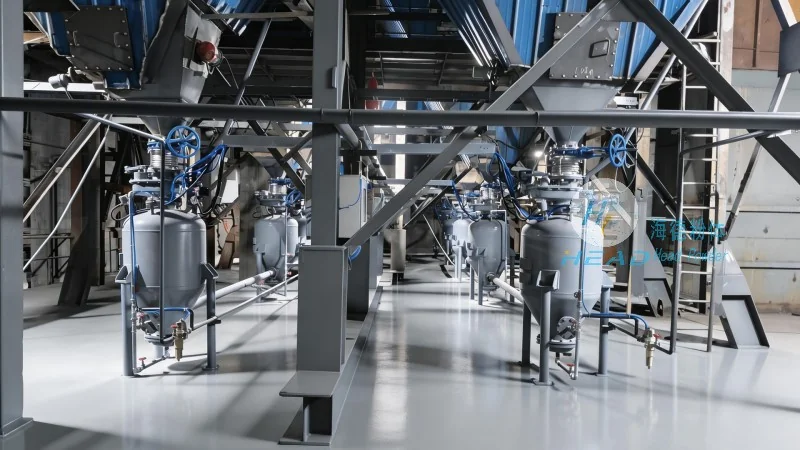
2. Energy Efficiency: The system is designed to use minimal energy, as the air is recirculated and reused, reducing the overall energy consumption compared to other conveying methods.
3. Flexibility and Scalability: The system can be easily modified to accommodate changes in material flow rates or conveying distances. It can also be expanded to handle larger volumes of powder as the production needs increase.
4. Low Maintenance: The components of the pneumatic conveying system are designed to be durable and low-maintenance, reducing the overall operating costs of the system.
Applications of the Lightweight Calcium Carbonate Pneumatic Conveying System
The lightweight calcium carbonate pneumatic conveying system is widely used in various industries, including the chemical, food, and pharmaceutical industries. It is particularly suitable for transporting fine powders that are sensitive to moisture or contamination. Some common applications include:
1. Food Industry: The system is used to transport calcium carbonate used as a food additive or filler in food products.
2. Pharmaceutical Industry: The system is used to transport calcium carbonate used as an excipient or filler in pharmaceutical formulations.
3. Chemical Industry: The system is used to transport calcium carbonate used as a raw material in the production of various chemicals and coatings.
4. Construction Industry: The system is used to transport calcium carbonate used as a filler or pigment in construction materials such as paints and plasters.
Conclusion
The lightweight calcium carbonate pneumatic conveying system is an efficient and reliable method for transporting fine powders. With its enclosed design, energy efficiency, and flexibility, it is an ideal solution for various industrial applications. Shandong HeadPowder Engineering Co., Ltd. provides high-quality pneumatic conveying systems that are designed to meet the specific needs of its customers, ensuring that the system operates at its best performance level. By understanding the operation process and working principle of the system, users can optimize its performance and maximize its benefits.