

Operation Process and Working Principle of Lithium Iron Carbonate Powder Conveying System
HeadPowder, a leading enterprise in the field of powder conveying technology, specializes in the design, manufacturing, and implementation of advanced systems for handling lithium iron carbonate powder. The company, headquartered in Shandong, China, has established itself as a reliable partner for industries requiring efficient and reliable powder transport solutions. This article provides a detailed overview of the operation process and working principle of a typical lithium iron carbonate powder conveying system, highlighting the key components and the systematic approach to ensuring optimal performance.
System Overview
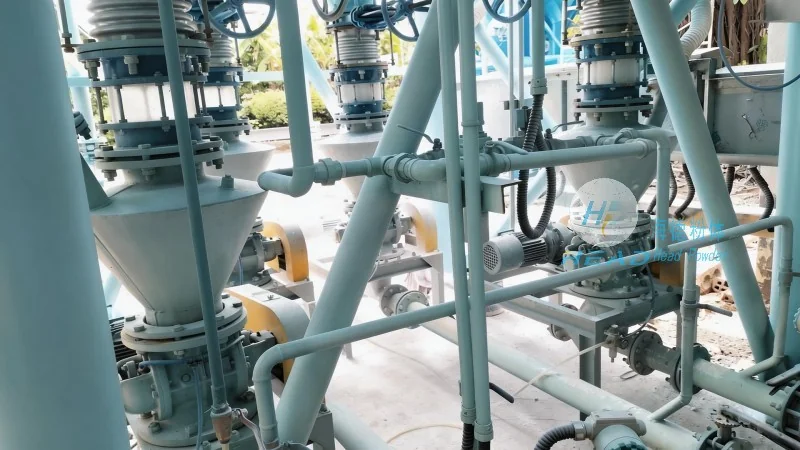
The lithium iron carbonate powder conveying system is a sophisticated piece of equipment engineered to handle the unique characteristics of lithium iron carbonate, a critical raw material in the production of lithium-ion batteries. The system typically comprises several integrated components, including a hopper for material storage, a feeder to control the flow rate, a conveying mechanism (such as a screw conveyor or pneumatic system), a control panel for monitoring and adjustment, and a discharge unit for delivering the powder to the next processing stage. Each component is designed to work in harmony, ensuring a seamless and controlled transfer of the powder from the source to the destination.
Operation Process
The operation of the lithium iron carbonate powder conveying system follows a structured sequence to ensure safety and efficiency. The process begins with the preparation phase, where the hopper is filled with the required amount of lithium iron carbonate powder. Once the hopper is charged, the system's control panel is activated, initiating the start-up sequence. The feeder then begins to regulate the powder flow, feeding the material into the conveying mechanism at a pre-set rate. As the powder moves through the system, sensors and monitoring devices continuously track parameters such as flow rate, pressure, and temperature to maintain optimal conditions. The conveying mechanism transports the powder through the pipeline to the discharge unit, where it is collected in a container or directly fed into the subsequent production line. The system concludes its operation when the target amount of powder has been transferred or when the control panel is manually or automatically shut down. Throughout the process, operators can adjust settings in real-time to adapt to changes in material characteristics or production demands, ensuring consistent performance.
Working Principle
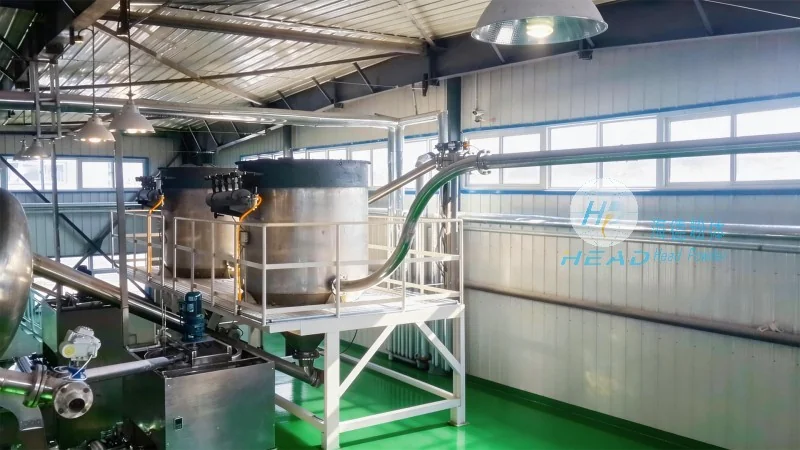
The working principle of the lithium iron carbonate powder conveying system is based on the principles of fluid dynamics and mechanical engineering, tailored to the specific properties of lithium iron carbonate powder. The system utilizes a combination of gravitational and mechanical forces to move the powder through the conveying line. The hopper provides a stable storage environment, preventing material degradation and ensuring a consistent feed. The feeder, often a rotary valve or a vibratory feeder, controls the flow rate by regulating the amount of material entering the conveying mechanism. The conveying mechanism, which may be a screw conveyor or a pneumatic system, applies the necessary force to move the powder along the pipeline. In a screw conveyor system, a rotating screw pushes the powder forward, while in a pneumatic system, compressed air creates a flow that carries the powder through the line. Sensors, such as pressure transducers and flow meters, are integrated into the system to monitor the pressure and flow rate, providing feedback to the control panel. The control panel processes this data and adjusts the feeder speed or conveying mechanism parameters to maintain the desired flow rate. This closed-loop control system ensures that the powder is transported efficiently and without clogging, which is crucial for maintaining the quality and consistency of the final product.
Key Components and Their Functions
Each component of the lithium iron carbonate powder conveying system plays a vital role in the overall operation. The hopper serves as the primary storage vessel, designed to accommodate the bulk material and maintain a stable head pressure. It is typically equipped with a discharge gate or a bottom outlet to allow controlled release of the powder. The feeder is responsible for regulating the flow rate, preventing overfeeding or underfeeding, which can lead to system inefficiencies or material degradation. The feeder may use a variable speed drive to adjust the flow based on real-time conditions. The conveying mechanism is the core of the system, responsible for moving the powder through the pipeline. Screw conveyors are commonly used for solid materials due to their ability to handle dry powders without the need for additional air or energy. Pneumatic systems, on the other hand, use compressed air to transport the powder, which is suitable for materials that are difficult to handle mechanically. The control panel integrates all the sensors and actuators, providing a centralized interface for operators to monitor and control the system. It displays real-time data such as flow rate, pressure, and temperature, and allows for adjustments to be made as needed. The discharge unit is the final component, responsible for delivering the powder to the next stage of production. It may include a receiving hopper or a direct connection to the processing equipment, ensuring a smooth transition from the conveying system to the downstream process.
System Advantages and Applications
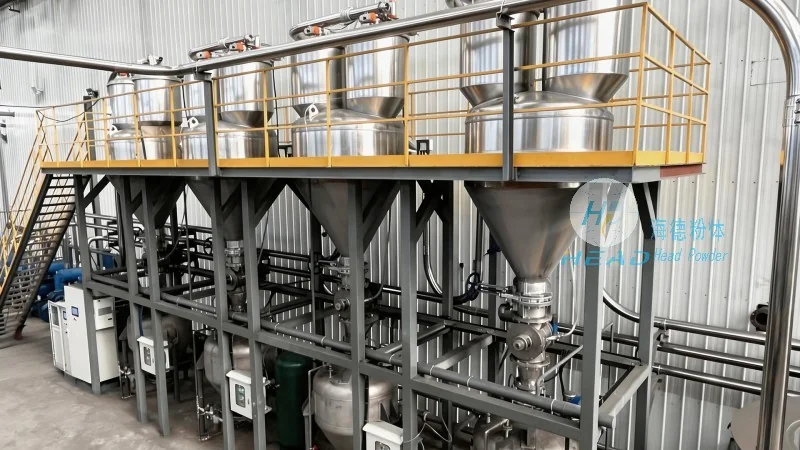
The lithium iron carbonate powder conveying system offers several advantages that make it an ideal solution for industries dealing with lithium iron carbonate. Firstly, the system is designed to handle the abrasive and potentially hazardous nature of lithium iron carbonate, ensuring minimal wear and tear on components and maintaining the purity of the material. The closed-loop control system provides high accuracy in flow rate control, reducing material waste and improving production efficiency. The system is also highly adaptable, allowing for adjustments to accommodate changes in material characteristics or production requirements. This flexibility makes it suitable for various applications, including the production of lithium-ion batteries, where consistent and reliable powder transport is critical. Additionally, the system is designed for easy maintenance and cleaning, reducing downtime and ensuring long-term operational reliability. The use of high-quality materials and robust construction ensures that the system can withstand the demanding conditions of industrial environments, providing a durable and cost-effective solution for powder handling.
Conclusion
In conclusion, the lithium iron carbonate powder conveying system developed by HeadPowder is a sophisticated and reliable solution for the efficient transport of lithium iron carbonate powder. The system's operation process, which includes preparation, start-up, material transfer, and shutdown, is carefully designed to ensure safety and efficiency. The working principle, based on mechanical and fluid dynamics, ensures that the powder is transported smoothly and without degradation. The key components, including the hopper, feeder, conveying mechanism, control panel, and discharge unit, work in harmony to achieve optimal performance. The system's advantages, such as high accuracy, adaptability, and durability, make it an ideal choice for industries requiring consistent and reliable powder handling. HeadPowder, with its expertise in powder conveying technology, continues to provide innovative solutions that meet the evolving needs of the battery and material processing industries.