

Operation Process and Working Principle of Sugar Powder Conveying Line
HeadPowder, a leading engineering company based in Shandong, China, specializes in the design, manufacturing, and installation of advanced sugar powder conveying systems. The sugar powder conveying line is a critical component in sugar processing facilities, ensuring efficient and safe transportation of granular or powdered sugar from storage to processing units. This article provides a detailed overview of the operation process and working principles of such lines, highlighting key components, operational steps, and the technological advancements that enhance performance.
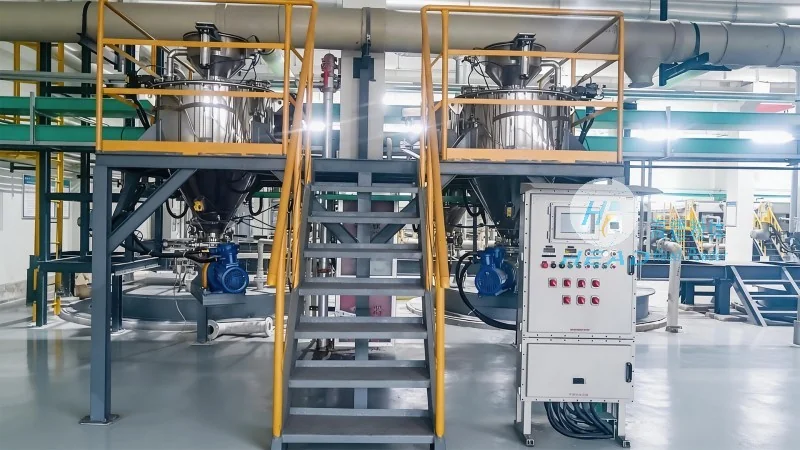
Key Components of a Sugar Powder Conveying Line
The sugar powder conveying line typically consists of several essential components that work in tandem to achieve seamless material handling. These include hoppers for material storage, feeders to control the flow rate, conveying equipment such as screw conveyors, pneumatic conveyors, or bucket elevators, and control systems to monitor and regulate the process. Each component plays a vital role in maintaining the integrity of the sugar powder and ensuring consistent performance throughout the conveying process.
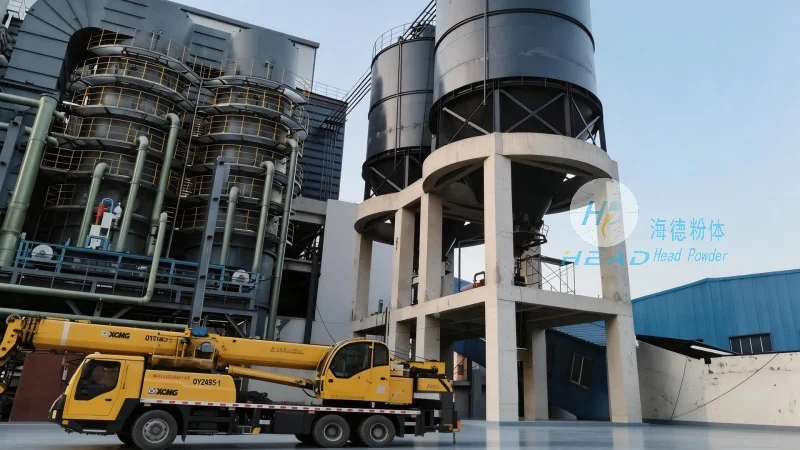
Working Principle of the Conveying Process
The operation of a sugar powder conveying line begins with the material being fed into a hopper. The hopper is designed to store a large volume of sugar powder and features a smooth interior to prevent material buildup and blockages. From the hopper, the material is transferred to a feeder, which regulates the flow rate based on the system's requirements. The feeder may be a rotary valve, a star feeder, or a vibratory feeder, depending on the specific application and material characteristics. Once the material is properly controlled, it is fed into the conveying equipment. For example, a screw conveyor uses rotating screws to move the powder along a tube or trough, while a pneumatic conveyor utilizes air pressure to transport the material through a pipeline. The choice of conveying method depends on factors such as the sugar powder's moisture content, particle size, and the distance to be covered.
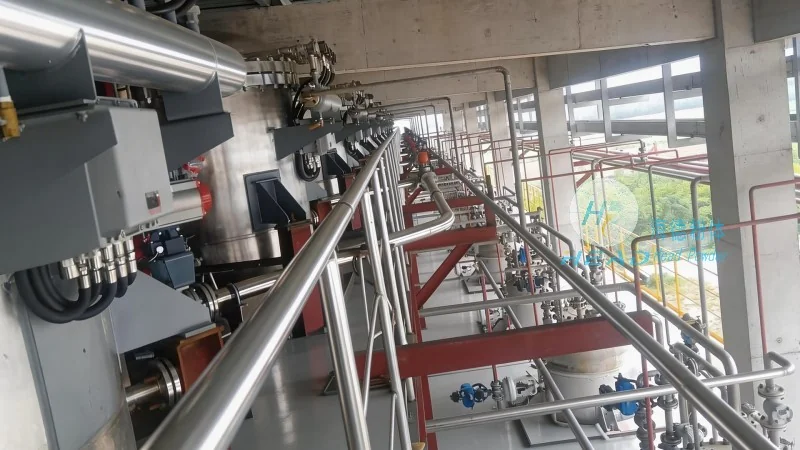
Step-by-Step Operation Process
The operation process of a sugar powder conveying line involves several sequential steps that ensure efficient and reliable material transport. The first step is material loading into the hopper, where the sugar powder is stored until needed. The second step is the activation of the feeder, which starts the flow of material from the hopper to the conveying equipment. The feeder maintains a consistent flow rate, preventing overloading or underloading of the conveyor. The third step is the actual conveying of the material through the system. The conveying equipment moves the sugar powder to the next processing stage, such as a mixer or a packing machine. The fourth step involves the monitoring of the system's performance, including flow rates, pressure, and temperature, to ensure optimal operation. Any deviations are detected and corrected by the control system, which adjusts the feeder speed or conveyor speed as needed. The final step is the discharge of the material from the conveying line into the receiving hopper or processing unit.
Technological Advancements and Enhancements
Modern sugar powder conveying lines incorporate several technological advancements that improve efficiency, safety, and product quality. One such advancement is the use of closed-loop systems, which minimize dust emissions and prevent contamination of the sugar powder. These systems use sealed hoppers and conveyors, with dust collection systems to capture any airborne particles. Another advancement is the integration of automation and control systems, which allow for real-time monitoring and adjustment of the conveying process. Sensors are used to detect material levels, flow rates, and blockages, providing immediate feedback to the control system. Additionally, the use of high-quality materials, such as stainless steel or food-grade plastics, ensures that the conveying line is compatible with the sugar powder and meets hygiene standards. These advancements not only enhance the performance of the system but also reduce maintenance costs and improve overall operational efficiency.
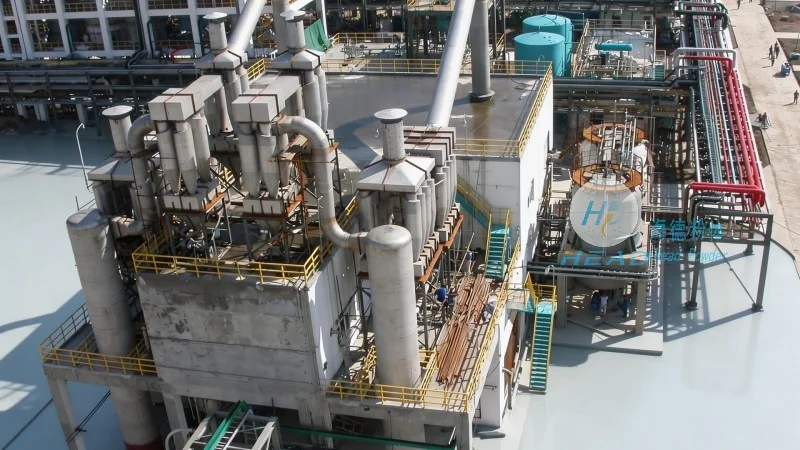
Benefits of an Efficient Sugar Powder Conveying Line
An efficient sugar powder conveying line offers several benefits to sugar processing facilities. Firstly, it ensures consistent and reliable material transport, reducing downtime and increasing production throughput. Secondly, it minimizes material loss and contamination, maintaining the quality of the sugar powder. Thirdly, it improves workplace safety by reducing manual handling and dust exposure. Fourthly, it enhances energy efficiency by optimizing the flow rate and reducing unnecessary energy consumption. Finally, it provides a scalable solution that can be adapted to meet the changing needs of the sugar processing facility, whether it's an increase in production volume or a shift to new product lines.