

Operation Process and Working Principle of Adjustable Weighing Powder Conveyors
HeadPowder, a leading manufacturer based in Shandong, China, specializes in the design and production of advanced powder handling equipment. The adjustable weighing powder conveyor is a critical component in industries such as pharmaceuticals, food processing, and chemical manufacturing, where precise material control is essential for operational efficiency and product quality. This equipment is engineered to handle bulk powders with high accuracy, ensuring consistent flow rates and maintaining the integrity of the material being transported.
Key Features of the Adjustable Weighing Powder Conveyor
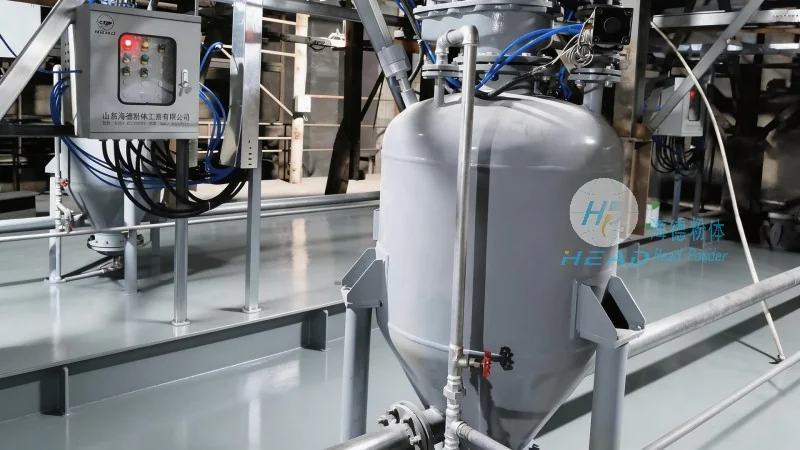
The adjustable weighing powder conveyor from HeadPowder Engineering Co., Ltd. incorporates several innovative features that set it apart in the market. One of the primary advantages is its ability to regulate the flow rate of powders in real-time, which is achieved through integrated weighing sensors and control systems. This allows operators to adjust the conveyor's output based on specific process requirements, such as batch sizes or production schedules. Additionally, the conveyor is equipped with a robust frame and durable components, ensuring long-term reliability even under demanding operational conditions. The design also emphasizes ease of maintenance, with accessible components that simplify routine checks and repairs.
Working Principle of the Adjustable Weighing Powder Conveyor
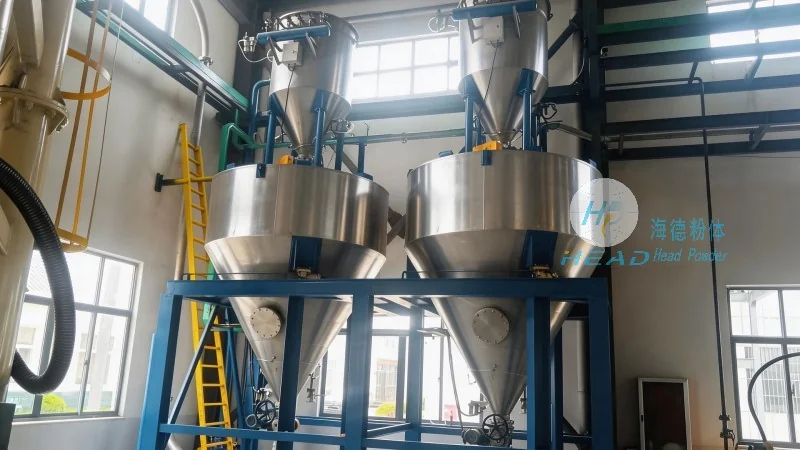
The core of the adjustable weighing powder conveyor lies in its weighing mechanism and control system. The conveyor system typically consists of a hopper that feeds the powder into a weighing chamber. As the powder enters the chamber, the built-in load cells measure the weight, and this data is transmitted to the control unit. The control unit then processes the weight information and adjusts the conveyor's speed or the opening of the feed valve to maintain the desired flow rate. This closed-loop system ensures that the output is consistently matched to the set target, minimizing variations and improving overall process control. The system also includes safety features, such as overload protection and emergency stop buttons, to prevent equipment damage and ensure operator safety.
Operation Process of the Adjustable Weighing Powder Conveyor
The operation of the adjustable weighing powder conveyor follows a systematic process that ensures smooth and efficient material handling. Initially, the system is calibrated to the specific powder being transported, which involves setting the target weight per unit time. Once calibrated, the conveyor starts by feeding the powder from the hopper into the weighing chamber. The load cells continuously monitor the weight, and the control system adjusts the conveyor's speed to maintain the set flow rate. During operation, operators can monitor real-time data on the conveyor's performance, including weight, flow rate, and any deviations from the target. If any issues arise, such as a blockage or an imbalance, the system automatically triggers alerts or stops the conveyor to prevent further problems. The process concludes when the required amount of powder has been conveyed, and the system can be reset for the next batch.
Applications and Benefits in Industrial Settings
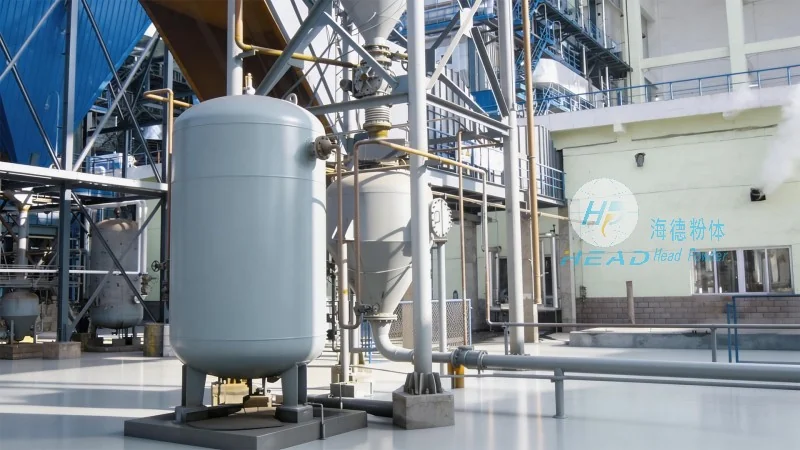
The adjustable weighing powder conveyor is widely used in various industrial applications where precise powder handling is critical. In pharmaceutical manufacturing, it ensures the accurate dosing of active ingredients, reducing product variability and enhancing batch consistency. In food processing, it maintains the quality of ingredients by controlling the flow of powders like flour or sugar. In chemical manufacturing, it helps in the precise mixing of reagents, preventing over or under-dosing that could affect product performance. The primary benefits of this equipment include improved process control, reduced material waste, and enhanced operational efficiency. By maintaining consistent flow rates, the conveyor minimizes the risk of overloading downstream equipment and ensures that production lines run smoothly without interruptions.