

Operation Process and Working Principle of Grain Silo Powder Conveyors
For agricultural and food processing facilities, efficient handling of bulk materials like grains is crucial for maintaining operational efficiency and product quality. The grain silo powder conveyor, a specialized piece of equipment designed for this purpose, plays a vital role in ensuring smooth material transport within storage and processing systems. Understanding its operation process and working principles is essential for optimizing performance and ensuring reliable operation in grain handling applications.
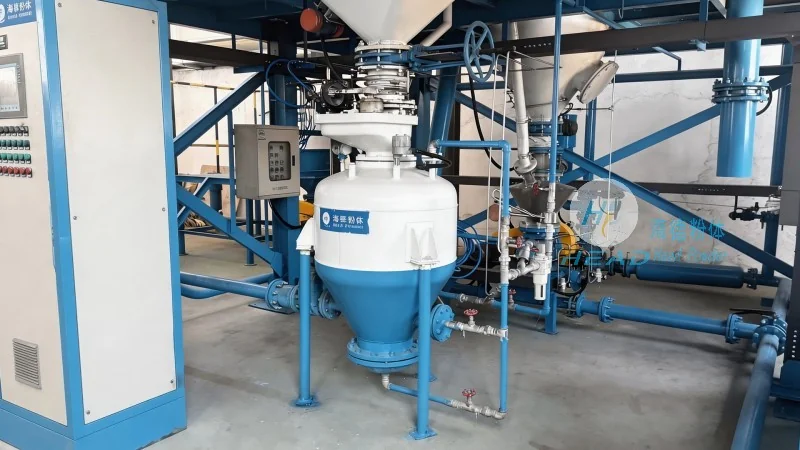
Introduction to Grain Silo Powder Conveyors
Grain silo powder conveyors are engineered to transport bulk materials such as wheat, corn, soybeans, and other grains from storage silos to processing units, packaging lines, or storage areas. These systems are typically integrated into large-scale agricultural operations, feed mills, and grain processing plants, where consistent and reliable material flow is critical. The design of these conveyors addresses the unique challenges of handling powdery or granular materials, including preventing material degradation, minimizing dust generation, and ensuring efficient energy consumption.
Key Components of a Grain Silo Powder Conveyor System
The grain silo powder conveyor system consists of several key components that work in tandem to achieve effective material transport. These components include the hopper or inlet, the conveyor mechanism (such as screw conveyors, pneumatic systems, or bucket elevators), the control panel, and the discharge outlet. Each component is carefully designed to handle the specific characteristics of the material being transported, such as particle size, moisture content, and flowability. The hopper is typically equipped with a feeding mechanism that ensures a consistent flow of material into the conveyor system, preventing blockages and ensuring smooth operation. The conveyor mechanism itself is engineered to provide the necessary force to move the material through the system, with options ranging from mechanical screw conveyors to pneumatic air systems depending on the application requirements.
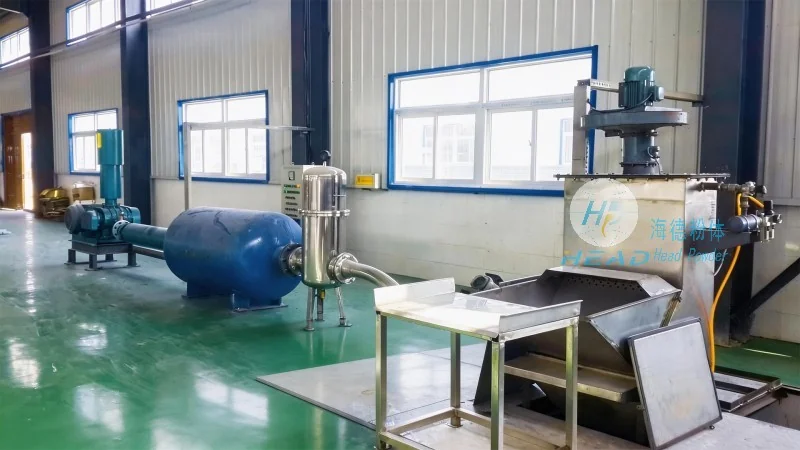
Operation Process of Grain Silo Powder Conveyors
The operation process of a grain silo powder conveyor begins with the loading of material into the hopper. The material is then fed into the conveyor mechanism, which moves it through the system to the discharge point. The control panel monitors the system's performance, adjusting parameters such as speed and pressure as needed to maintain optimal operation. The entire process is automated, allowing for continuous and unattended operation, which is essential for large-scale grain handling operations. The conveyor system is designed to handle varying material loads, ensuring that it can operate efficiently even when the silo is partially or fully filled. This flexibility is crucial for maintaining a consistent flow of material throughout the day, even during peak processing times.
Working Principles of Grain Silo Powder Conveyors
The working principles of grain silo powder conveyors are based on the physics of material movement and the mechanics of the conveyor system. For mechanical screw conveyors, the principle involves the rotation of a screw within a tube, which pushes the material forward due to friction and the design of the screw's helical threads. The speed and pitch of the screw determine the capacity and efficiency of the conveyor. For pneumatic systems, the principle involves the use of compressed air to create a flow of material through a pipeline. The air pressure and flow rate are carefully controlled to ensure that the material is transported without degradation or excessive dust generation. The choice of system depends on factors such as the material's properties, the distance to be covered, and the desired level of automation. Both mechanical and pneumatic systems are designed to minimize material degradation, which is critical for maintaining the quality of the grains being transported.
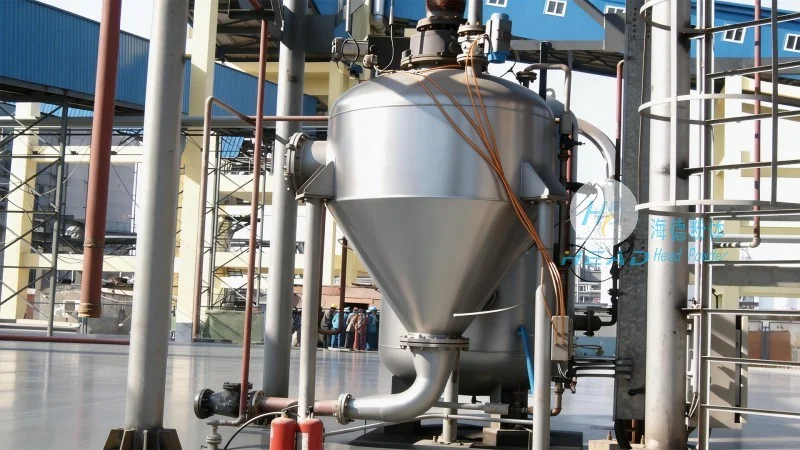
Benefits of Using Grain Silo Powder Conveyors
Implementing a grain silo powder conveyor system offers several benefits for agricultural and food processing facilities. These include improved operational efficiency through consistent material flow, reduced labor costs due to automated operation, and enhanced product quality by minimizing material degradation and dust generation. The systems are also designed to be energy-efficient, reducing operational costs over time. Additionally, the modular design of these conveyors allows for easy integration into existing facilities and scalability to accommodate future growth in production capacity. The reliability of these systems ensures minimal downtime, which is crucial for maintaining production schedules and meeting customer demands.
Application Examples in Grain Handling
Grain silo powder conveyors are widely used in various applications within the grain handling industry. For example, in feed mills, these systems are used to transport raw grains from storage silos to grinding and mixing units, ensuring a consistent supply of material for feed production. In grain processing plants, they are used to move processed grains from storage to packaging lines, where they are packaged for distribution to retailers and consumers. In agricultural cooperatives, these conveyors are used to transfer harvested grains from the field to storage silos, facilitating efficient post-harvest handling. The versatility of these systems makes them suitable for a wide range of grain handling applications, from small-scale operations to large industrial facilities.
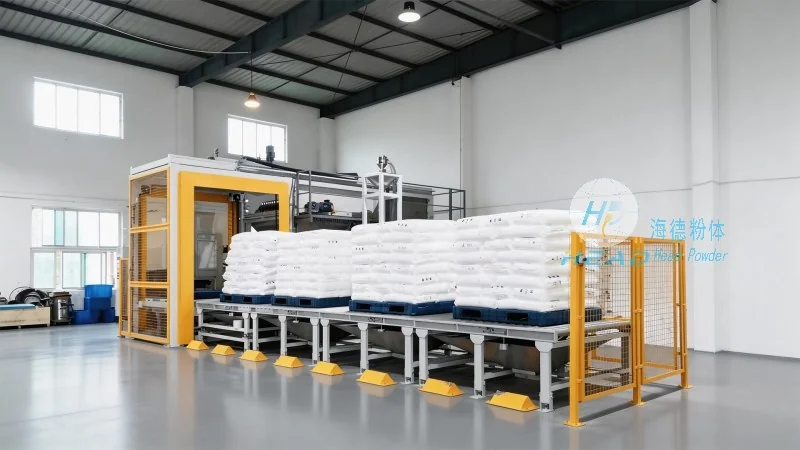
Maintenance and Troubleshooting of Grain Silo Powder Conveyors
Proper maintenance is essential for ensuring the long-term performance and reliability of grain silo powder conveyors. Regular maintenance tasks include cleaning the hopper and conveyor mechanism to prevent material buildup, checking for wear and tear on components such as screws or belts, and inspecting the control panel for any signs of malfunction. Routine maintenance helps to prevent breakdowns and extend the lifespan of the equipment. In case of issues, troubleshooting steps may include checking the material feed rate, inspecting the conveyor for blockages, and verifying the air pressure or motor speed in pneumatic or mechanical systems. By addressing issues promptly, operators can minimize downtime and maintain the efficiency of the conveyor system.
Conclusion
Grain silo powder conveyors are a critical component of modern grain handling operations, providing efficient and reliable transport of bulk materials. Understanding their operation process and working principles is essential for optimizing performance and ensuring consistent operation. With proper design, installation, and maintenance, these systems can significantly improve operational efficiency and product quality in agricultural and food processing facilities. As the demand for efficient grain handling solutions continues to grow, the importance of these systems will only increase, making them a valuable investment for any facility involved in grain processing and distribution.