

Operation Process and Working Principle of Mineral Sand Powder Conveyors
Shandong HeadPowder Engineering Co., Ltd., a leading manufacturer based in Shandong, China, specializes in the design and production of mineral sand powder conveyors. These industrial equipment are crucial for the efficient transportation of mineral sand powders in various industries such as mining, chemical processing, and construction. The company's products are engineered to ensure high reliability, durability, and optimal performance under demanding operational conditions.
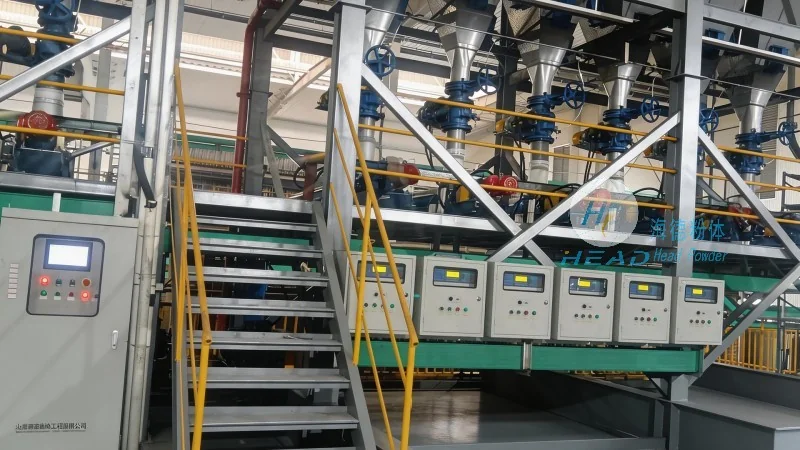
Key Features and Applications
Mineral sand powder conveyors are designed to handle a wide range of mineral sand powders, including but not limited to quartz sand, feldspar, and other fine mineral powders. The equipment is widely used in the mineral processing industry for transporting raw materials from storage silos to processing units, and in chemical plants for moving powdered reagents. The conveyors are available in different configurations, such as screw conveyors, pneumatic conveyors, and bucket elevators, each tailored to specific material characteristics and operational requirements.
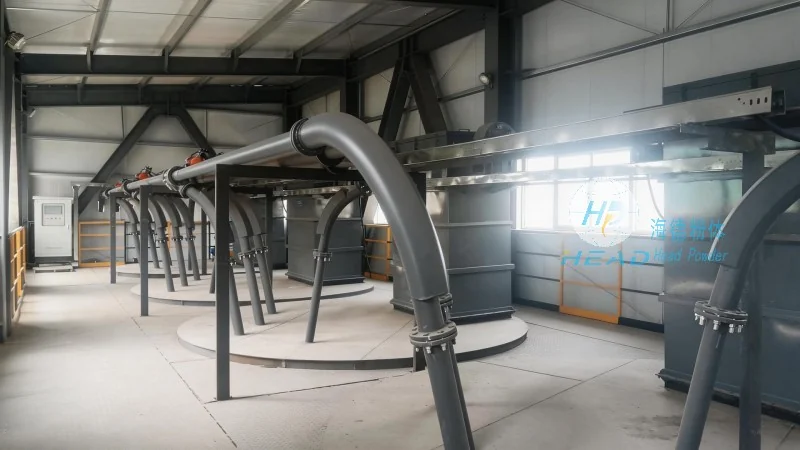
Operation Process of Mineral Sand Powder Conveyors
The operation process of a mineral sand powder conveyor typically involves several key steps. First, the mineral sand powder is fed into the inlet hopper of the conveyor. The hopper ensures a uniform flow of material into the conveying mechanism. Next, the conveyor's driving system activates, which may involve a motor driving a screw shaft (in screw conveyors) or a fan generating airflow (in pneumatic conveyors). The material is then transported along the conveyor's path from the inlet to the discharge outlet. The discharge outlet is usually equipped with a control valve to regulate the flow rate and prevent material backflow. Finally, the material is discharged into the next processing stage or storage container. The entire process is monitored by a control system that adjusts speed, pressure, or flow rate based on real-time operational parameters to maintain optimal performance.
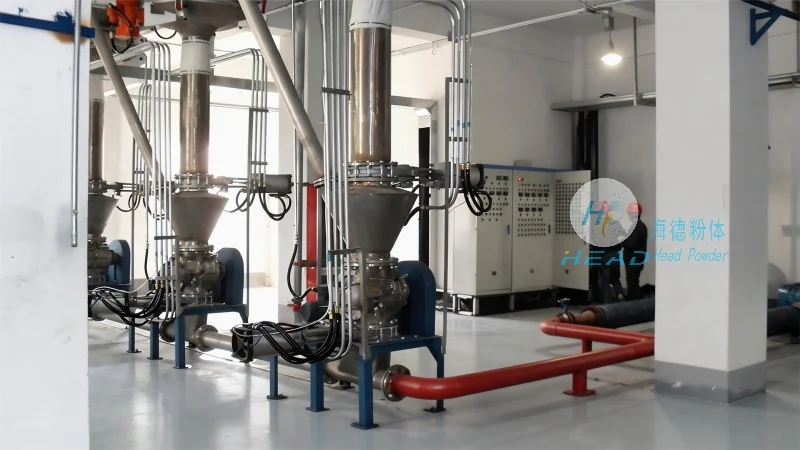
Working Principle of Mineral Sand Powder Conveyors
The working principle of mineral sand powder conveyors varies depending on the type of equipment used. For screw conveyors, the core mechanism is a rotating screw (or helical blade) that moves the material forward through a closed tube. As the screw rotates, the material is pushed along the conveyor's length due to the friction between the material and the screw surface, as well as the material's own weight. This type of conveyor is suitable for handling dry, free-flowing powders with low to moderate moisture content. Pneumatic conveyors, on the other hand, use compressed air to transport the material. The material is drawn into the conveying line by the airflow, which carries the powder particles through the system. The air velocity and pressure are carefully controlled to ensure efficient transport without causing material degradation or excessive energy consumption. Bucket elevators operate by using a series of buckets attached to a chain or belt that moves vertically. The buckets scoop up the material at the lower end and release it at the upper end, effectively lifting the material to a higher elevation. This method is ideal for vertical or inclined transport of bulk materials with high bulk density.
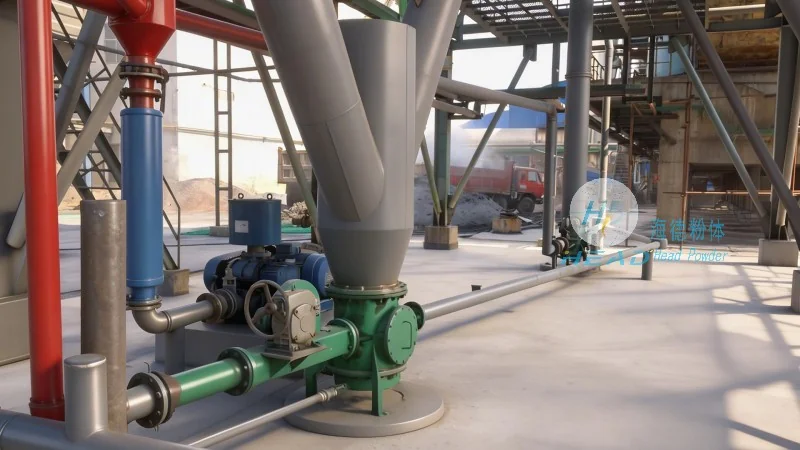
Advantages and Technical Specifications
Mineral sand powder conveyors offer several advantages over traditional transportation methods. They provide a continuous and uniform flow of material, reducing the risk of material segregation and ensuring consistent processing. The enclosed design of many conveyors minimizes dust emissions, improving workplace safety and environmental compliance. Additionally, these systems are energy-efficient and can be integrated with existing production lines with minimal modifications. Technical specifications of the conveyors vary based on the application, including conveying capacity (typically ranging from 1 to 100 tons per hour), length (from a few meters to over 100 meters), and power requirements (ranging from a few kilowatts to several hundred kilowatts for large systems). The choice of material for the conveyor components, such as stainless steel or corrosion-resistant alloys, is also critical to ensure compatibility with the specific mineral sand properties and operating environment.