

Operation Process and Working Principle of Bottom-Loading Material Conveying Systems
Bottom-loading material conveying systems are critical components in modern material handling and storage operations, designed to efficiently transport bulk materials from storage silos or hoppers to processing equipment. The operation process and working principle of these systems involve several key stages, each contributing to the seamless and reliable movement of materials. This article provides a detailed overview of how bottom-loading conveyors function, emphasizing the technical aspects and operational efficiency that make them indispensable in industrial settings.
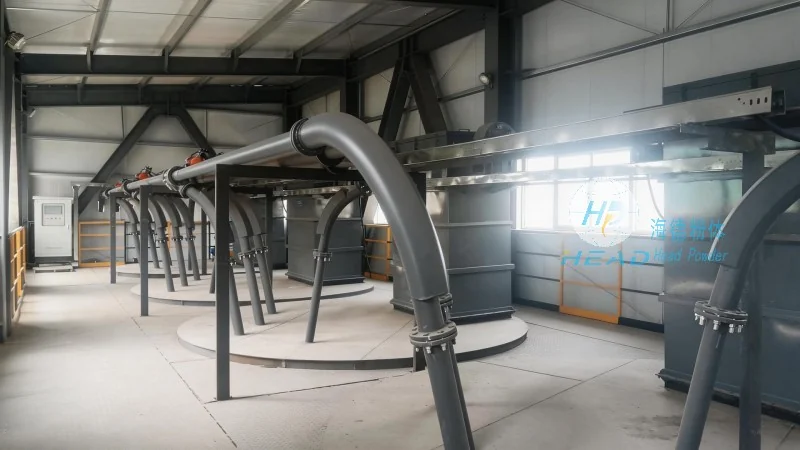
Company Overview: Shandong HeadPowder Engineering Co., Ltd.
HeadPowder, a leading manufacturer in the field of material handling equipment, specializes in the design, development, and production of advanced bottom-loading material conveying systems. With a strong commitment to innovation and quality, the company has established itself as a trusted partner for industries requiring reliable bulk material transport solutions. HeadPowder's products are engineered to meet the diverse needs of various sectors, including food processing, chemical manufacturing, and mining, ensuring durability, efficiency, and compliance with industry standards. The company's headquarters is located in Shandong, China, where it leverages local expertise and resources to deliver cutting-edge solutions tailored to global market demands.
Understanding Bottom-Loading Material Conveying
Bottom-loading material conveying systems operate by utilizing a combination of mechanical components to draw materials from a storage vessel and transport them to the desired destination. The core principle involves creating a vacuum or pressure differential to induce material flow, which is then guided through a conveyor system. Key components typically include a hopper or silo, a vacuum pump or airlock mechanism, a conveyor tube, and a discharge valve or outlet. The system works by first evacuating air from the hopper, creating a negative pressure that pulls material down the tube. As the material moves, it is propelled by the air flow, ensuring a continuous and controlled flow rate. This method is particularly effective for handling fine powders, granules, and other bulk materials that are prone to clogging or segregation in traditional conveyor systems.
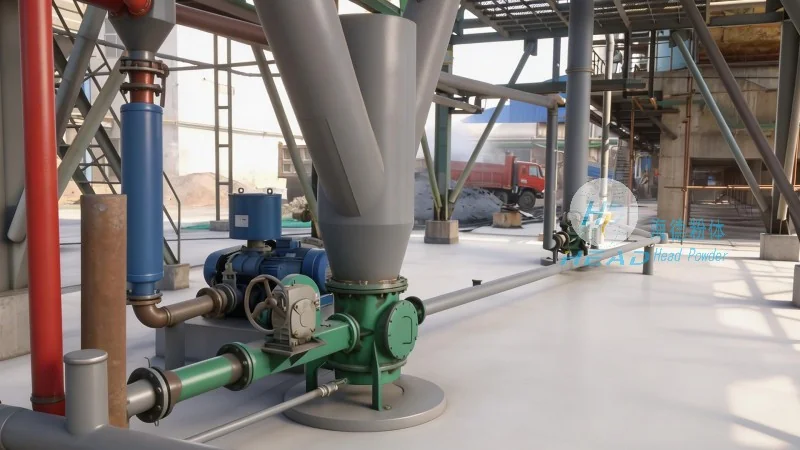
The Operation Process of Bottom-Loading Conveyors
The operation process of a bottom-loading material conveyor can be broken down into several sequential steps, each critical to the system's performance. The first step involves preparing the system for operation, which includes checking the integrity of the hopper, ensuring the vacuum pump is functioning correctly, and verifying the proper alignment of the conveyor tube. Once the system is ready, the vacuum pump is activated, creating a pressure difference between the hopper and the discharge point. This negative pressure draws material from the hopper into the conveyor tube. As the material travels through the tube, it is carried by the air stream, which maintains the flow and prevents material from settling. At the discharge end, the material is released into a processing unit or storage container. The system then cycles through these steps continuously, with the vacuum pump operating intermittently to maintain the flow rate and prevent backflow. This cyclical operation ensures a steady supply of material to downstream processes, minimizing downtime and maximizing productivity.
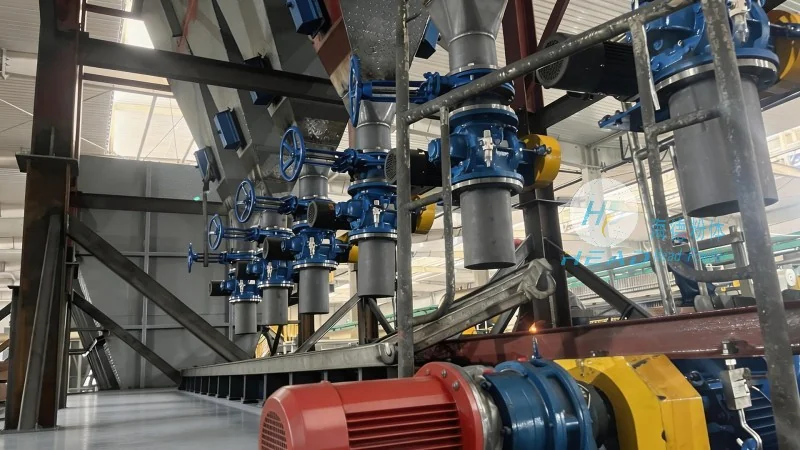
Working Principle: Key Technical Aspects
The working principle of bottom-loading conveyors is based on the principles of fluid dynamics and vacuum technology. The system relies on the creation of a vacuum to induce material movement, which is a more efficient method compared to traditional gravity-fed or belt conveyors for certain materials. The vacuum pump generates a low-pressure environment in the hopper, causing the material to be drawn into the conveyor tube due to the pressure differential. The air flow within the tube not only transports the material but also helps to break up agglomerates and prevent material bridging, which are common issues in bulk material handling. The design of the hopper and the shape of the conveyor tube are critical to the system's performance, as they influence the flow characteristics and the ability to handle different material types. For example, the hopper may be equipped with a cone or wedge design to facilitate material discharge, while the tube may have a smooth interior to reduce friction and maintain consistent flow rates. Additionally, the system may include features such as airlocks or check valves to prevent backflow and maintain the vacuum, ensuring the material moves in a single direction without interruption.
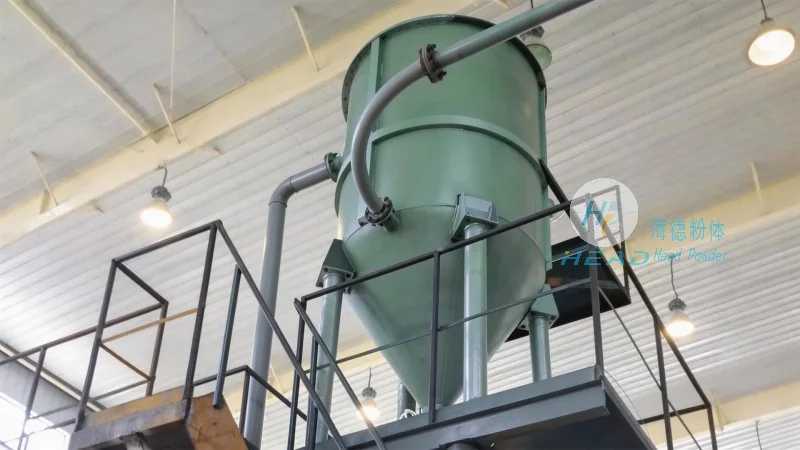
Applications and Benefits of Bottom-Loading Conveying
Bottom-loading material conveying systems are widely used in various industries due to their versatility and efficiency. In the food industry, these systems are employed to transport ingredients such as flour, sugar, and spices from storage silos to processing lines, ensuring hygienic and contamination-free handling. In the chemical industry, they are used to move powders and granules that require precise control over flow rates and temperature, minimizing the risk of material degradation. The mining and mineral processing sectors also benefit from bottom-loading conveyors, as they can handle abrasive and heavy materials without causing wear and tear on the equipment. The primary benefits of these systems include improved material flow control, reduced labor costs, and enhanced safety compared to manual handling methods. Additionally, the compact design of bottom-loading conveyors allows for installation in confined spaces, making them suitable for retrofitting existing facilities. The ability to handle a wide range of materials, from fine powders to coarse granules, further extends their applicability across different industrial applications.
Conclusion: The Role of Shandong HeadPowder in Bottom-Loading Conveying Solutions
Bottom-loading material conveying systems represent a significant advancement in bulk material handling technology, offering efficient, reliable, and cost-effective solutions for industries worldwide. Shandong HeadPowder Engineering Co., Ltd. plays a crucial role in this field by providing high-quality, customized systems that meet the specific needs of its clients. By leveraging advanced engineering and manufacturing capabilities, HeadPowder ensures that its bottom-loading conveyors deliver optimal performance, durability, and efficiency. The company's commitment to innovation and customer satisfaction has established it as a leading provider of material handling solutions, helping businesses streamline their operations and improve overall productivity. As industries continue to demand more efficient and sustainable material transport methods, bottom-loading conveyors remain a vital component, and companies like HeadPowder are at the forefront of developing the next generation of these systems.