

Operation Process and Working Principle of Food Material Handling Systems
Food material handling systems are critical components in the food processing industry, designed to efficiently transport raw materials, intermediate products, and finished goods through various stages of production. These systems ensure smooth workflow, maintain hygiene standards, and enhance overall operational efficiency. Understanding the operation process and working principle of such systems is essential for optimizing production lines and ensuring compliance with industry regulations.
Key Components and Their Roles
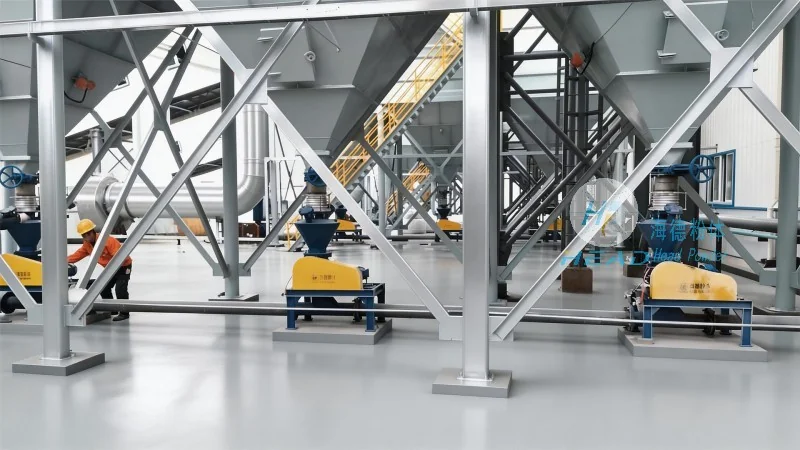
The core of a food material handling system typically consists of several interconnected components, each playing a vital role in the transportation process. These components include conveyors, elevators, sorters, and storage units. Conveyors, such as belt conveyors or chain conveyors, are commonly used for horizontal or inclined movement of materials. Elevators, like bucket elevators or screw conveyors, facilitate vertical or inclined transport. Sorters and dividers help in separating or directing materials to different processing lines. Each component is carefully designed to handle specific food types, ensuring minimal contamination and product integrity.
Operation Process: Step-by-Step Workflow
The operation process of a food material handling system follows a systematic workflow that begins with material intake and ends with product delivery. The first step involves the intake of raw materials, which are often stored in bulk containers or silos. From there, the materials are transferred to the primary conveyor system, where they are moved to the processing area. During this stage, the system may incorporate cleaning and sanitization steps to maintain hygiene. As the materials progress through the system, they may undergo sorting, grading, or packaging operations. The final stage involves the delivery of finished products to storage or shipping areas. This step-by-step process ensures that each product moves efficiently and safely through the entire production cycle.
Working Principle: Mechanisms and Technologies
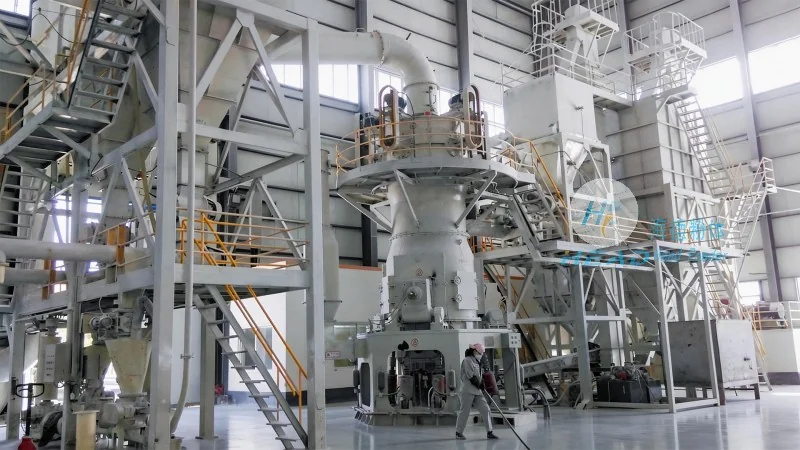
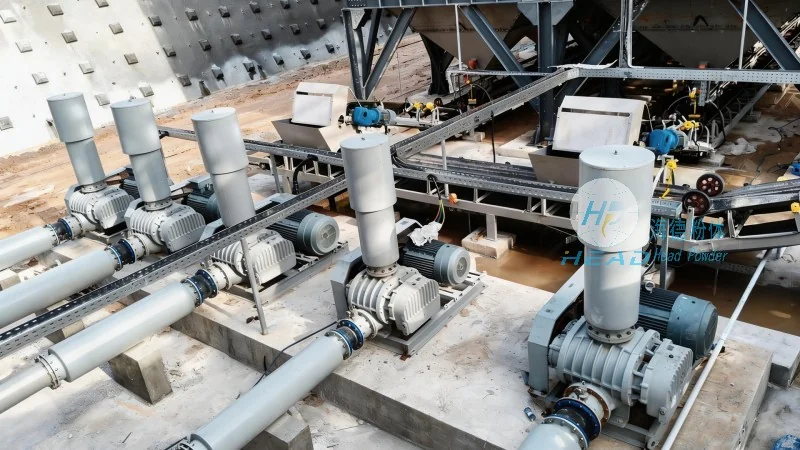
The working principle of food material handling systems relies on mechanical, pneumatic, or hydraulic technologies to achieve precise and controlled movement of materials. Mechanical systems, such as belt conveyors, use motor-driven pulleys to move materials along a continuous path. These systems are energy-efficient and suitable for a wide range of food products. Pneumatic systems, on the other hand, use compressed air to transport materials in tubes or hoses, making them ideal for lightweight or granular products. Hydraulic systems provide high force and control, often used in heavy-duty applications like moving large containers or bulk materials. The choice of technology depends on the specific requirements of the food processing line, including material type, volume, and environmental conditions.

Company Overview: Shandong HeadPowder Engineering Co., Ltd.
Shandong HeadPowder Engineering Co., Ltd., commonly known as headpowder, is a leading manufacturer of food material handling systems. With a strong presence in China, the company specializes in designing and supplying customized solutions tailored to the unique needs of the food industry. Headpowder's expertise lies in integrating advanced technologies with robust engineering to deliver systems that meet stringent hygiene and safety standards. The company's products are widely used in various food processing applications, including dairy, bakery, and beverage industries. By focusing on quality and innovation, headpowder has established itself as a trusted partner for food manufacturers seeking reliable and efficient material handling solutions.
Customization and Integration Services
Headpowder understands that each food processing facility has distinct requirements, which is why the company offers comprehensive customization and integration services. These services include the design of tailored conveyor systems, integration of sorting and packaging equipment, and implementation of automated control systems. The company works closely with clients to understand their production goals and operational challenges, ensuring that the final solution is optimized for efficiency and cost-effectiveness. By leveraging years of industry experience, headpowder provides solutions that not only meet current needs but also adapt to future growth and technological advancements.
Ensuring Compliance and Hygiene Standards
In the food industry, compliance with hygiene and safety regulations is paramount. Headpowder's food material handling systems are designed with this in mind, incorporating features such as easy-to-clean surfaces, stainless steel construction, and sealed components to prevent contamination. The company adheres to international standards like FDA and HACCP, ensuring that its products are suitable for handling sensitive food products. Regular maintenance and inspection services are also provided to ensure that the systems remain in optimal condition, minimizing downtime and maintaining product quality.