

Operation Process and Working Principle of Cereal Material Conveying Systems
HeadPowder, a leading engineering company based in Shandong, China, specializes in the design, manufacturing, and installation of advanced material handling systems tailored for the cereal and food processing industries. This article provides a detailed overview of the operation process and working principles of a typical cereal material conveying system, highlighting the key components, operational sequences, and technical mechanisms that ensure efficient and reliable material transport.
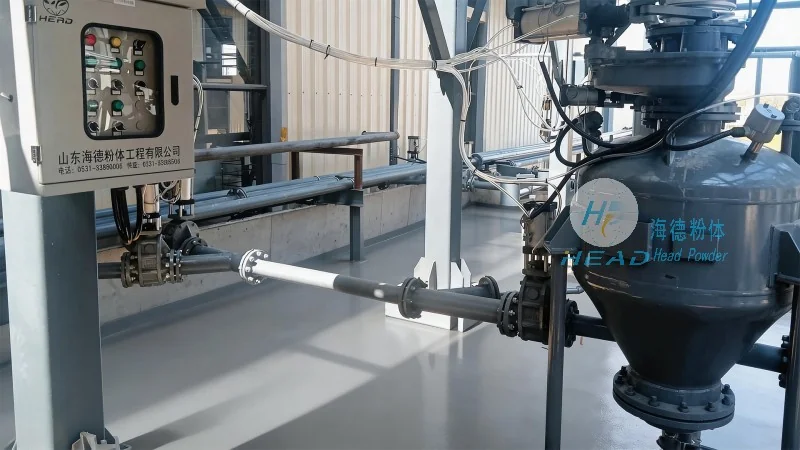
System Overview and Core Components
The cereal material conveying system is a sophisticated assembly of equipment engineered to handle the transportation of bulk cereal products from storage silos or processing units to packaging lines. The system typically comprises several critical components, including hoppers, feeders, conveyors (such as belt conveyors, screw conveyors, or pneumatic conveyors), control panels, and safety devices. Each component plays a specific role in the overall material flow, ensuring that cereal grains move smoothly and safely through the system.
Key Components and Their Functions
1. Hoppers: These are large, hopper-shaped containers designed to store and feed bulk cereal materials. They are equipped with inlet and outlet ports to facilitate the controlled release of material into the conveying system. Hoppers are often made of durable materials like stainless steel to withstand the abrasive nature of cereal grains and ensure hygiene compliance.
2. Feeders: Feeders are critical for regulating the flow rate of cereal material into the conveyor. Common types include rotary valves, vibratory feeders, and screw feeders. These devices ensure a consistent and controlled feed rate, preventing overloading or underloading of the conveyor and maintaining stable material flow.
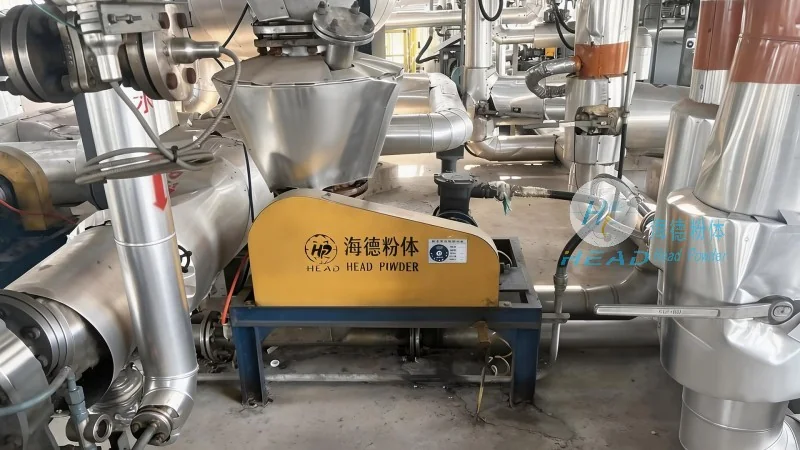
3. Conveyors: The heart of the conveying system, conveyors transport cereal material from one location to another. Belt conveyors use a continuous belt to move material horizontally or at a slight incline, while screw conveyors utilize a rotating screw to push material forward. Pneumatic conveyors, on the other hand, use air pressure to move material through a pipeline, offering flexibility in system layout. The choice of conveyor type depends on factors such as material characteristics, distance, and system capacity.
4. Control Panels: Integrated control panels manage the operation of the entire system, including starting and stopping conveyors, adjusting feed rates, and monitoring system performance. These panels often feature user-friendly interfaces with buttons, switches, and digital displays, allowing operators to control the system with ease.
5. Safety Devices: Safety is paramount in material handling systems. The system includes safety devices such as emergency stop buttons, overload sensors, and interlocks to prevent accidents and protect personnel and equipment.
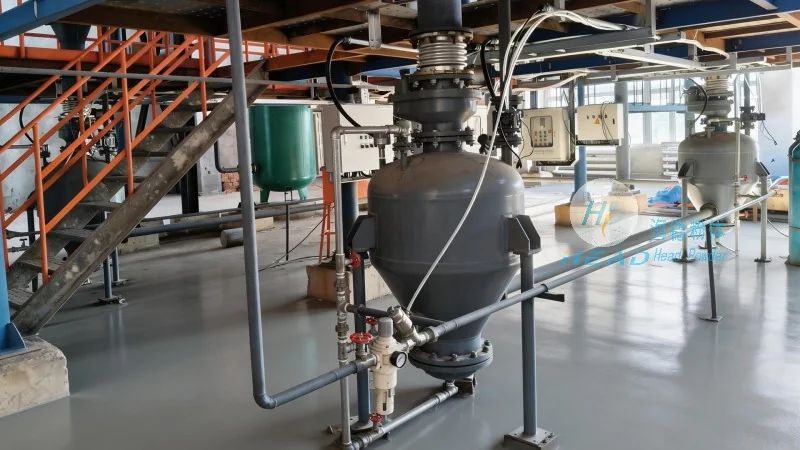
Operation Process: Step-by-Step Workflow
The operation of the cereal material conveying system follows a systematic sequence to ensure efficient material transport. The process typically begins with the loading of cereal material into the hopper. Once the hopper is filled, the feeder activates to regulate the flow of material into the conveyor. The conveyor then transports the material to the next stage of the processing line, such as a mixer or packaging machine. The control panel monitors the system in real-time, adjusting parameters as needed to maintain optimal performance.
During operation, the system continuously monitors key parameters like flow rate, pressure, and temperature. If any abnormal conditions are detected, the control panel triggers alarms or automatically shuts down the system to prevent damage or product contamination. This proactive monitoring ensures the system operates within safe and efficient parameters.
Working Principles: Mechanical and Control Mechanisms
The working principles of the cereal material conveying system are based on mechanical and control mechanisms that work in tandem to achieve reliable material transport. The mechanical components, such as conveyors and feeders, rely on physical forces (gravity, friction, or air pressure) to move material. For example, belt conveyors use the friction between the belt and the material to pull it forward, while screw conveyors use the rotation of the screw to push material along its length.
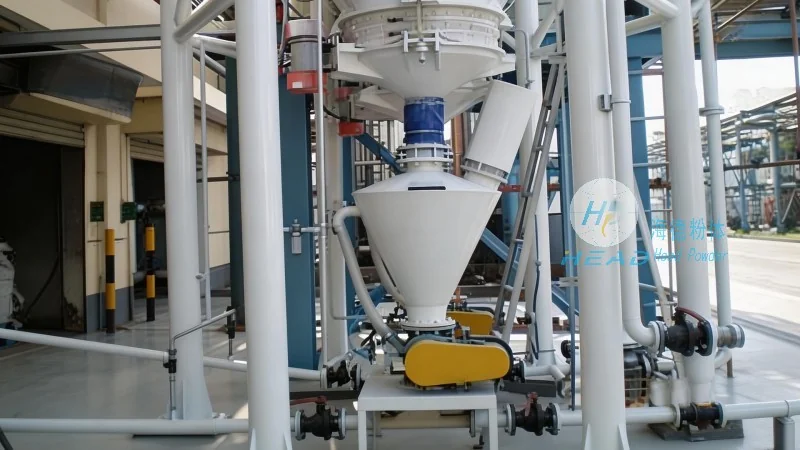
The control mechanisms, managed by the control panel, use sensors and actuators to regulate the system's operation. Sensors detect the level of material in the hopper, the speed of the conveyor, and other parameters, sending signals to the control panel. The control panel then processes these signals and sends commands to actuators, such as motors or valves, to adjust the system's performance. This closed-loop control system ensures that the system operates efficiently and safely.
Maintenance and Operational Considerations
To ensure the long-term reliability and efficiency of the cereal material conveying system, regular maintenance is essential. This includes cleaning the hopper and conveyor to prevent material buildup, lubricating moving parts, and inspecting safety devices for proper functionality. Additionally, operators should follow the manufacturer's guidelines for operation and maintenance to maximize system performance and minimize downtime.
Proper operational considerations also include monitoring the system's performance over time. Regular checks of flow rates, conveyor speeds, and material quality help identify potential issues before they become major problems. By maintaining the system properly and following best practices, HeadPowder's cereal material conveying systems can deliver consistent, high-quality performance for years to come.