

Operation Process and Working Principle of Automatic Weighing Material Conveying Lines
Automatic weighing material conveying lines are sophisticated industrial systems designed to transport bulk materials while simultaneously measuring their weight. These systems are integral to modern manufacturing and processing facilities, ensuring accurate material handling and efficient production workflows. The integration of weighing technology with conveyor mechanisms allows for real-time monitoring and control, which is crucial for maintaining product quality and optimizing operational efficiency.
Key Components of the System
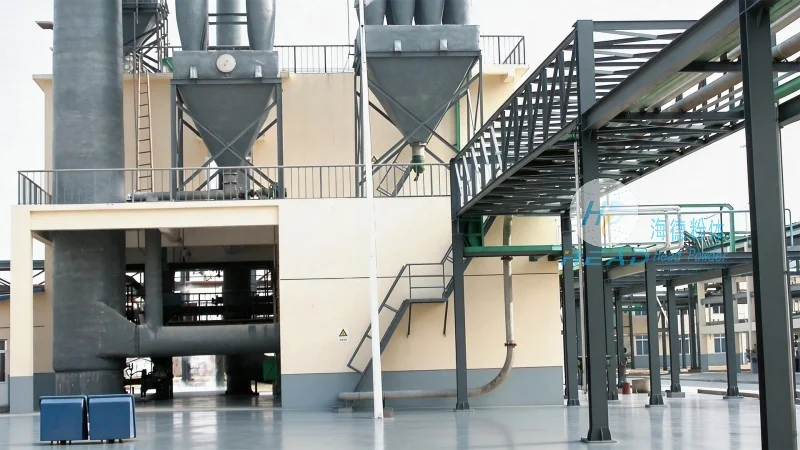
The operation of an automatic weighing material conveying line relies on several key components that work in tandem to achieve precise material transport and weighing. These components typically include a conveyor belt or roller system for material movement, load cells or weighing sensors to capture weight data, a control unit or PLC (Programmable Logic Controller) for processing signals, and a display or interface for operators to monitor and adjust settings. Additionally, the system may incorporate feeding mechanisms, such as hoppers or feeders, to regulate the flow of material onto the conveyor, and sometimes, sorting or diverting devices to direct materials based on weight or other criteria.
Operation Process: Step-by-Step Overview
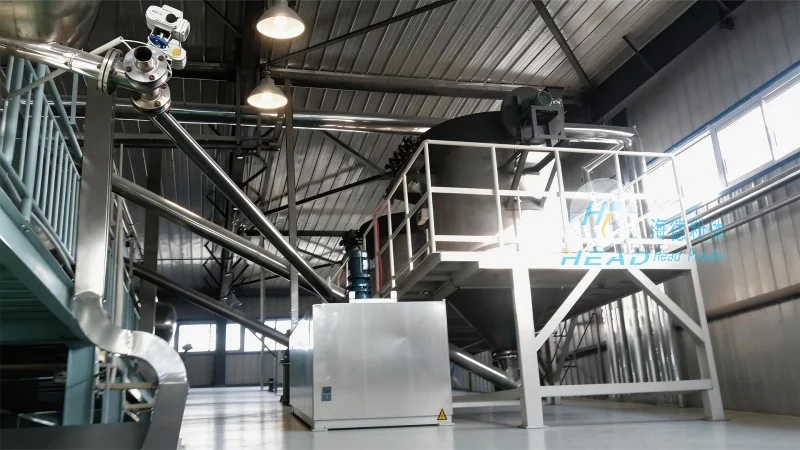
The operation of an automatic weighing material conveying line follows a systematic sequence of steps, each designed to ensure accurate and reliable material handling. The process begins with the material being fed into the system, usually from a storage hopper or silo. The material then travels along the conveyor belt, which is equipped with load cells at strategic points to measure the weight of the material as it moves. The load cells convert the mechanical force of the material into electrical signals, which are transmitted to the control unit. The control unit processes these signals and calculates the total weight of the material passing through the weighing section. Simultaneously, the conveyor system continues to transport the material to the next stage of the production line, such as packaging or further processing. The system may also include feedback mechanisms to adjust the feeding rate or conveyor speed based on the weight measurement, ensuring consistent output.
Working Principle: How It Works
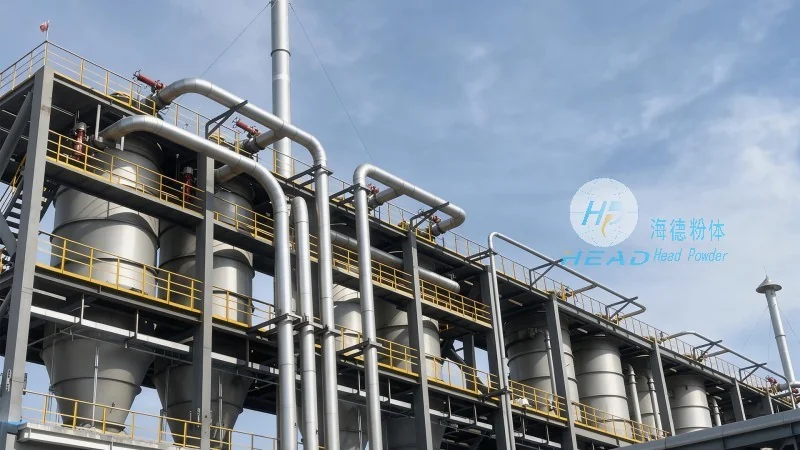
The working principle of an automatic weighing material conveying line is rooted in the principles of mechanics and electronics. At its core, the system uses load cells, which are transducers that convert weight into an electrical signal. When material is placed on the load cells, they deform slightly, generating a voltage proportional to the applied force. This voltage is then amplified and processed by the control unit, which converts it into a digital weight reading. The control unit may use algorithms to compensate for factors like temperature changes or conveyor belt tension, ensuring accurate measurements. The system’s control logic can then use this data to regulate the feeding rate, adjust the conveyor speed, or trigger actions such as stopping the line or sending an alert if the weight deviates from the set parameters. This closed-loop control system allows for real-time adjustments, maintaining the desired material flow and weight consistency throughout the operation.
Benefits and Applications
Automatic weighing material conveying lines offer numerous benefits to industrial operations, making them a preferred choice in sectors such as food processing, pharmaceuticals, chemicals, and mining. The primary advantages include enhanced accuracy in material measurement, which reduces waste and improves product quality. Additionally, the system’s ability to integrate with other production equipment allows for seamless workflow optimization, minimizing downtime and increasing overall productivity. The real-time monitoring capabilities also enable operators to quickly identify and address issues, such as material jams or sensor malfunctions, before they escalate into larger problems. These systems are particularly useful in applications where precise weight control is critical, such as packaging, blending, or batch processing, where even small variations can impact product specifications or regulatory compliance.
Company Profile: Shandong HeadPowder Engineering Co., Ltd.
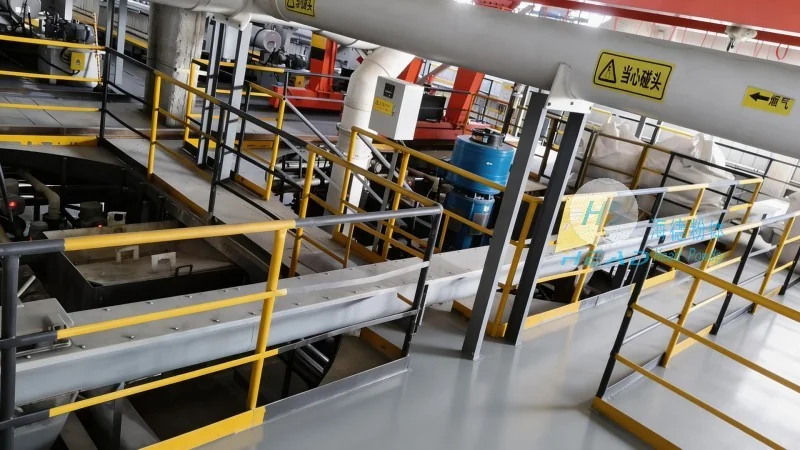
Shandong HeadPowder Engineering Co., Ltd., commonly known as headpowder, is a leading manufacturer and supplier of industrial material handling and weighing systems. With a strong presence in China, the company specializes in designing, manufacturing, and installing automatic weighing material conveying lines tailored to the specific needs of various industries. The company’s commitment to quality and innovation has earned it a reputation for delivering reliable, efficient, and cost-effective solutions to its clients. HeadPowder’s team of engineers and technicians works closely with customers to understand their operational requirements and develop customized systems that meet their unique challenges. The company’s facilities in Shandong, China, are equipped with advanced manufacturing capabilities and rigorous quality control processes, ensuring that every product meets the highest standards of performance and durability.