

Operation Process and Working Principle of PUR Material Conveying Lines
HeadPowder, a leading manufacturer based in Shandong, China, specializes in the design, development, and implementation of advanced PUR (Polyurethane) material conveying systems. These lines are engineered to efficiently transport various polyurethane-based materials, ensuring high precision, reliability, and durability in industrial applications. The following sections detail the operational process and underlying principles that make these conveying lines effective and efficient.
Key Components of the PUR Conveying Line
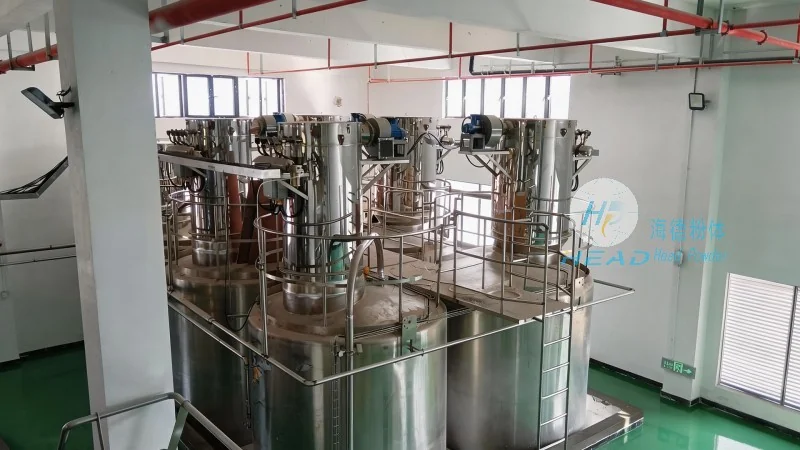
The PUR material conveying line typically consists of several critical components that work in tandem to achieve seamless material transport. These include the feeding mechanism, the main conveyor system (often utilizing rollers or chains), the control system for speed and direction, and the receiving or discharge unit. Each component is meticulously designed to handle the specific characteristics of polyurethane materials, such as their density, viscosity, and potential for abrasion. The feeding mechanism, for instance, may use a hopper or a screw feeder to introduce the material into the system, ensuring a consistent flow rate. The conveyor system, equipped with specially designed rollers or chains, moves the material through the line with minimal friction and energy consumption. The control system, often integrated with sensors and automation technology, monitors the process in real-time, adjusting parameters to maintain optimal performance. The receiving unit then collects the material, completing the cycle. Additionally, the line may incorporate features like material separation or cleaning mechanisms to enhance overall efficiency and material quality.
Operation Process of the PUR Conveying Line
The operation of a PUR material conveying line follows a systematic sequence to ensure efficient material handling. The process begins with the loading of polyurethane material into the feeding hopper. The hopper is designed to accommodate bulk quantities of material, providing a stable and controlled feed. Once the material is loaded, the feeding mechanism activates, gradually introducing the material into the conveyor system. The conveyor system then transports the material through the line, moving it from the feeding point to the discharge point. During this phase, the material is subjected to minimal pressure and friction, which helps maintain its integrity and prevents degradation. The control system continuously monitors the flow rate and speed, adjusting as needed to maintain a consistent output. As the material reaches the end of the line, it is discharged into the receiving container or further processing equipment. This entire process is automated, reducing the need for manual intervention and enhancing operational efficiency. The system may also include intermediate stations for material inspection or quality control, ensuring that only compliant material proceeds to the next stage.
Working Principle of the PUR Conveying Line
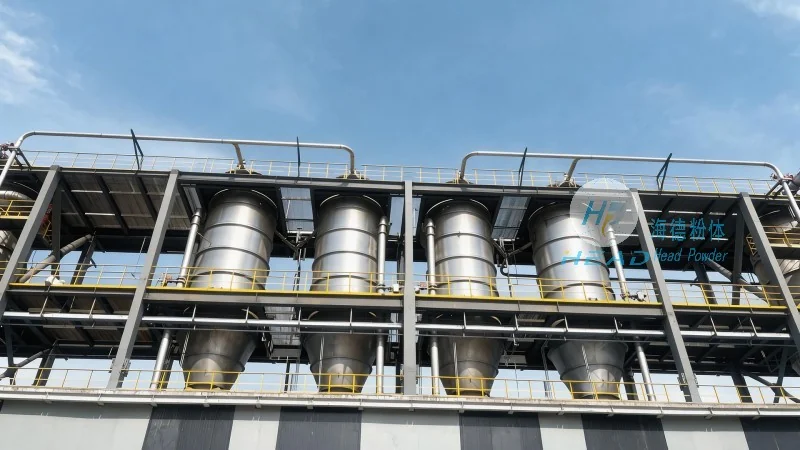
The working principle of the PUR material conveying line is based on mechanical energy transfer and material handling technology. The core principle is to use a conveyor system to move polyurethane materials from one location to another with precision and reliability. The system operates by converting electrical energy into mechanical energy, which powers the conveyor rollers or chains. The feeding mechanism ensures a steady supply of material, while the control system regulates the speed and direction of the conveyor. The design of the conveyor components, such as the rollers and chains, is optimized to handle the specific properties of polyurethane, such as its flexibility and resistance to abrasion. The entire system is engineered to minimize energy consumption and maximize material throughput, making it suitable for high-volume industrial applications. Additionally, the use of sensors and automation technology allows for real-time monitoring and adjustment, ensuring that the conveying line operates within optimal parameters. The integration of feedback loops in the control system enables dynamic adjustments based on real-time data, enhancing the system's responsiveness and adaptability.
Advantages of Using PUR Conveying Lines
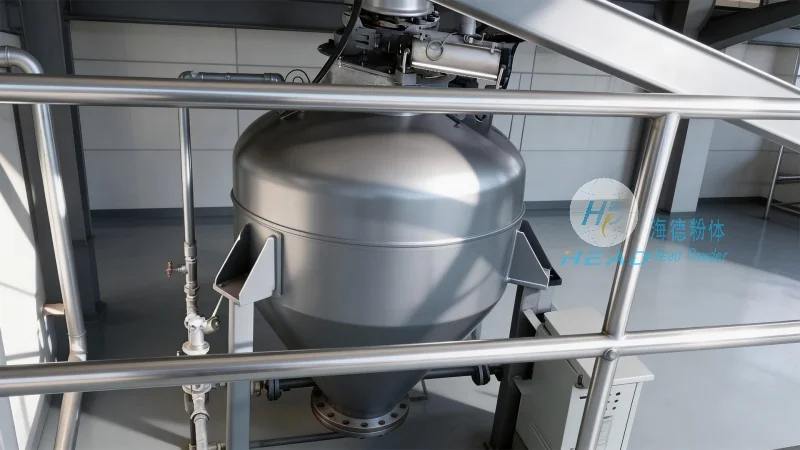
PUR material conveying lines offer several advantages over traditional material handling methods. These include high efficiency in transporting polyurethane materials, reduced labor costs due to automation, and improved material integrity. The mechanical design of the conveying line minimizes the risk of material damage, which is crucial for polyurethane products that may be sensitive to handling. Additionally, the system's reliability and durability ensure consistent performance over extended periods, reducing downtime and maintenance costs. The automation features also enhance safety by minimizing human interaction with the material handling process. Overall, PUR conveying lines provide a cost-effective and efficient solution for industrial applications requiring the transport of polyurethane materials. They are particularly beneficial in industries like automotive, construction, and manufacturing, where large volumes of polyurethane components need to be handled with precision and speed.
Customization and Application Flexibility
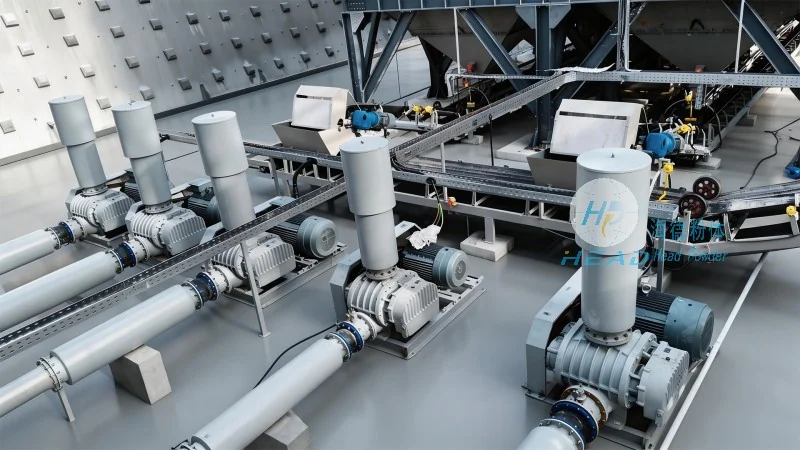
HeadPowder understands that different industrial applications have unique requirements, and thus offers customized PUR conveying lines tailored to specific needs. The company, based in Shandong, China, leverages its expertise in material handling technology to design systems that meet the exact specifications of clients. Customization options may include varying conveyor lengths, adjusting the speed of the system, modifying the feeding mechanism to handle different material types, or integrating additional features like dust collection or material sorting. This flexibility allows businesses to optimize their material handling processes, improving productivity and reducing operational costs. The company's commitment to quality and innovation ensures that each customized conveying line is built to withstand the demands of industrial environments, providing long-term reliability and performance.
Maintenance and Longevity of the PUR Conveying Line
Proper maintenance is essential to ensure the longevity and optimal performance of a PUR material conveying line. HeadPowder, based in Shandong, China, provides comprehensive maintenance services and support to its clients. Regular maintenance activities include inspecting conveyor components for wear and tear, cleaning the system to prevent material buildup, and calibrating the control system to maintain accuracy. The company's maintenance team is trained to handle various aspects of the conveying line, from mechanical adjustments to software updates. By adhering to a regular maintenance schedule, businesses can extend the lifespan of their equipment, reduce the risk of breakdowns, and ensure consistent material transport. The durability of the PUR conveying line, combined with proper maintenance, makes it a reliable investment for industrial operations. HeadPowder's expertise in maintenance and support ensures that clients receive the necessary guidance to keep their systems running smoothly, minimizing downtime and maximizing productivity.