

Operation Process and Working Principle of Chocolate Material Conveying Lines
Chocolate material conveying lines are essential in the chocolate manufacturing industry, ensuring the efficient and hygienic transportation of various chocolate ingredients from raw materials to processing stages. The operation process and working principle of these systems are designed to maintain product quality, safety, and operational efficiency. This article provides a detailed overview of how these lines function, integrating key components and operational steps to support chocolate production.
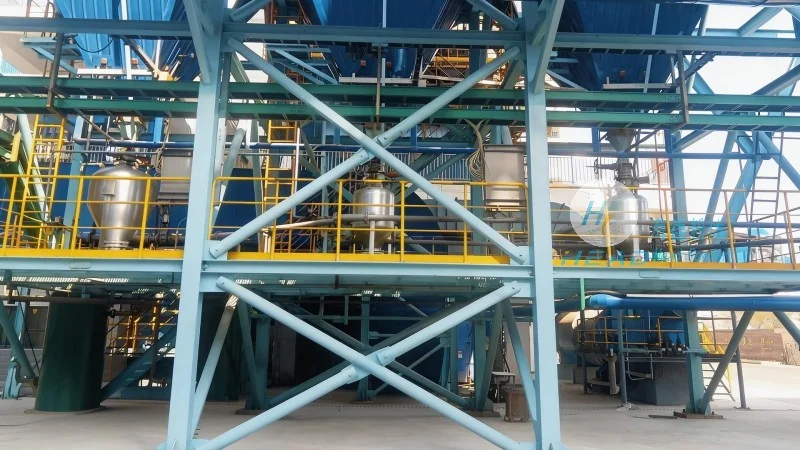
Introduction to Chocolate Material Conveying Lines
Chocolate material conveying lines are specialized systems engineered to handle the movement of chocolate-related materials, including cocoa beans, sugar, milk powder, and other additives. These lines are critical in chocolate production facilities as they facilitate the seamless transfer of raw materials and semi-finished products through various processing stages. The systems are typically designed with considerations for hygiene, temperature control, and material compatibility to ensure the quality of the final chocolate products. Shandong HeadPowder Engineering Co., Ltd., a leading manufacturer based in China, specializes in the design, manufacturing, and installation of such conveying systems, providing tailored solutions for chocolate production lines.
Key Components of Chocolate Material Conveying Lines
The operation of chocolate material conveying lines relies on several key components that work in tandem to ensure smooth material handling. These components include feeders, conveyors (such as belt conveyors, screw conveyors, and pneumatic conveyors), control systems, and cleaning mechanisms. Feeders are used to regulate the flow of materials into the conveying system, ensuring consistent input rates. Conveyors transport the materials through the production line, with different types of conveyors suited for various material characteristics and processing requirements. Control systems manage the operation of these components, allowing for automated or semi-automated control of the conveying process. Cleaning mechanisms are integrated to maintain hygiene standards, preventing contamination and ensuring compliance with food safety regulations.
Operation Process of Chocolate Material Conveying Lines
The operation process of chocolate material conveying lines involves several sequential steps that ensure the efficient movement of materials through the production line. The process typically begins with the raw material preparation stage, where ingredients are received and prepared for processing. Materials are then fed into the conveying system using feeders, which regulate the flow based on the production rate. The conveyors transport the materials through the system, with each section designed to handle specific material types or processing stages. For example, a screw conveyor might be used to move powdered ingredients like cocoa powder or milk powder, while a belt conveyor could transport solid items such as cocoa beans or sugar. The materials are then directed to the next processing stage, such as grinding or mixing, where they are further processed into chocolate. The control system monitors the entire process, adjusting parameters as needed to maintain optimal performance. At the end of the conveying line, the processed materials are collected and prepared for packaging or further processing.
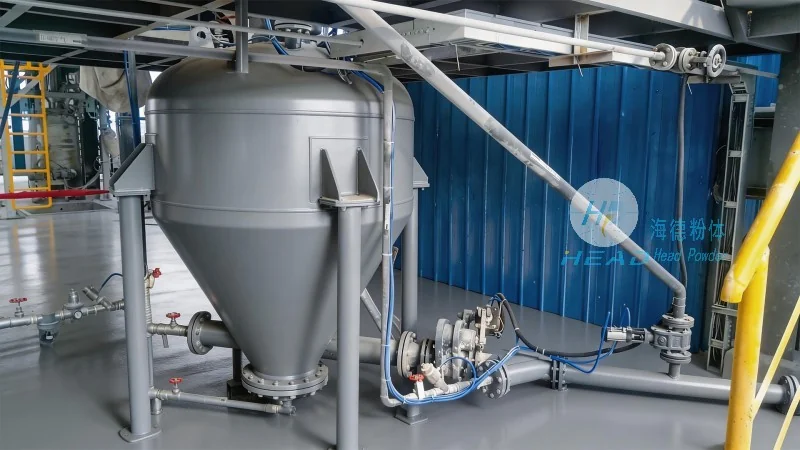
Working Principle of Chocolate Material Conveying Lines
The working principle of chocolate material conveying lines is based on mechanical or pneumatic forces that move materials from one point to another. Mechanical conveyors, such as belt conveyors and screw conveyors, use rotating components to move materials along a path. Belt conveyors utilize a continuous belt that moves over rollers, carrying materials from the inlet to the outlet. Screw conveyors use a rotating screw inside a tube to push materials forward. Pneumatic conveyors, on the other hand, use air pressure to transport materials through a pipeline. These systems are particularly useful for handling fine powders or granular materials, as they can transport materials without direct contact, reducing contamination risks. The control system plays a crucial role in the working principle, as it coordinates the operation of all components to ensure the smooth flow of materials. Sensors and feedback mechanisms are integrated to monitor the system's performance, detecting any issues such as blockages or material flow disruptions and triggering appropriate responses.
Hygiene and Safety Considerations in Chocolate Material Conveying Lines
Hygiene and safety are paramount in chocolate material conveying lines, as chocolate products are consumed directly by humans and must meet stringent food safety standards. The systems are designed with materials that are non-corrosive, easy to clean, and resistant to bacterial growth. Stainless steel is commonly used for components that come into direct contact with materials, as it is durable, hygienic, and easy to sanitize. The conveying lines are also equipped with cleaning mechanisms, such as CIP (Clean-In-Place) systems, which allow for automated cleaning without disassembling the system. These systems use cleaning solutions and high-pressure water to remove residues and contaminants, ensuring that the line remains clean and safe for production. Additionally, the control system includes safety features, such as emergency stop buttons and interlocks, to prevent accidents and ensure the safety of operators. Regular maintenance and inspections are also conducted to ensure that the system operates within safe and hygienic parameters.

Customization and Integration with Production Lines
Chocolate material conveying lines are often customized to meet the specific requirements of individual chocolate production facilities. Shandong HeadPowder Engineering Co., Ltd. offers tailored solutions that integrate seamlessly with existing production lines. The customization process involves assessing the production capacity, material types, and processing requirements of the facility. Engineers from HeadPowder work closely with clients to design a conveying system that meets their specific needs. The systems can be integrated with other processing equipment, such as mixers, grinders, and tempering machines, to create a cohesive production line. The integration ensures that materials are transferred efficiently between different stages, minimizing downtime and maximizing production efficiency. Customization also includes considerations for space constraints, as facilities may have limited space for the installation of conveying lines. The design process takes into account the layout of the production facility, ensuring that the conveying system fits within the available space while maintaining optimal performance.
Maintenance and Troubleshooting of Chocolate Material Conveying Lines
Maintenance is crucial for the long-term operation and efficiency of chocolate material conveying lines. Regular maintenance helps to prevent breakdowns, reduce downtime, and ensure consistent performance. The maintenance schedule typically includes routine checks of components such as bearings, belts, and screws. These components are inspected for wear and tear and replaced as needed to prevent failures. Cleaning is also an essential part of maintenance, as the conveying system must be kept clean to maintain hygiene standards. The CIP system is used to clean the system regularly, and manual cleaning is performed as needed. Troubleshooting is also an important aspect of maintenance, as issues such as blockages or material flow disruptions can occur. The control system provides diagnostic information, helping technicians to identify and resolve problems quickly. Common issues include material buildup in the conveyors, which can be caused by improper feeding or clogged components. These issues are addressed by adjusting the feeder settings or cleaning the conveyors. Another common issue is belt slippage in belt conveyors, which can be caused by worn belts or misaligned rollers. This is resolved by replacing the belts or adjusting the alignment. By following a regular maintenance schedule and addressing issues promptly, the conveying line can operate efficiently and reliably for extended periods.
Conclusion
Chocolate material conveying lines are critical components in chocolate production facilities, ensuring the efficient and hygienic transportation of materials. The operation process and working principle of these systems involve several key components and steps that work together to support chocolate production. Shandong HeadPowder Engineering Co., Ltd. provides high-quality conveying systems that are designed to meet the specific needs of chocolate manufacturers. By integrating advanced technology and adhering to strict hygiene and safety standards, these systems help to ensure the quality and safety of chocolate products. Regular maintenance and proper operation are essential to maximize the performance and lifespan of the conveying lines. As a leading manufacturer based in China, HeadPowder continues to innovate and provide tailored solutions for the chocolate industry, supporting the production of high-quality chocolate products worldwide.