

Operation Process and Working Principle of Metallurgical Coke Powder Material Conveying Line
Metallurgical coke powder material conveying lines are essential components in industrial settings, particularly in the iron and steel production sector. These systems are designed to efficiently transport coke powder, a critical raw material used in blast furnaces and other metallurgical processes. The proper operation and understanding of these conveying lines are vital for maintaining production efficiency and ensuring the quality of the final metal products. This article provides a detailed overview of the operation process and working principles of such systems, highlighting key components, operational steps, and the importance of each stage in the conveying process.
Key Components of Metallurgical Coke Powder Conveying Systems
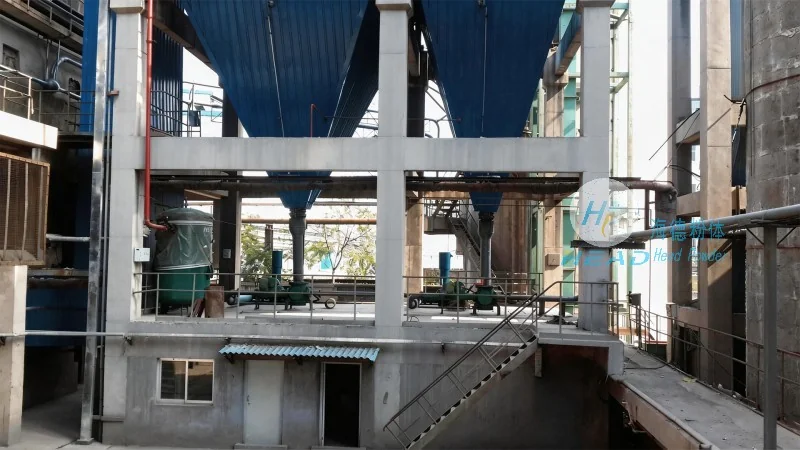
The effective functioning of a metallurgical coke powder material conveying line relies on several interconnected components. Each part plays a crucial role in the overall system performance. The primary components typically include a hopper for material storage, a feeder to control the flow rate, a conveyor system (such as a screw conveyor or pneumatic conveyor) for transporting the powder, and a dust collection system to manage airborne particles. Additionally, control panels and sensors are integrated to monitor and regulate the conveying process, ensuring safety and efficiency. The hopper is designed to hold a sufficient quantity of coke powder, preventing material shortages during operation. The feeder, often a rotary valve or a belt feeder, regulates the flow of powder into the conveyor, preventing overloading or underflow. The conveyor system, which may be mechanical or pneumatic, moves the powder from the hopper to the processing unit. The dust collection system, including filters and fans, captures and removes airborne dust, maintaining a clean and safe working environment. Control panels and sensors provide real-time data on system performance, allowing operators to adjust parameters as needed to optimize operation.
Operation Process of Metallurgical Coke Powder Conveying Lines
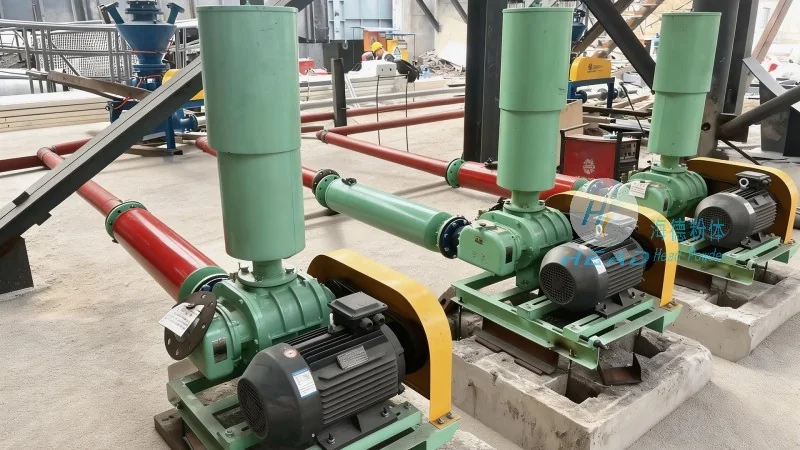
The operation of a metallurgical coke powder material conveying line involves a series of sequential steps that ensure the smooth and continuous transport of coke powder. The process begins with the loading of coke powder into the hopper. The hopper is typically equipped with a loading port, allowing for easy material introduction. Once the hopper is filled, the feeder activates, controlling the flow rate of the powder into the conveyor. The conveyor then transports the powder to the processing unit, such as a blast furnace or a sintering plant. The speed of the conveyor is adjusted based on the required throughput, ensuring that the material is delivered at the appropriate rate. During the conveying process, the dust collection system continuously operates to capture any airborne particles, preventing dust accumulation and maintaining air quality. The control panel monitors various parameters, including flow rate, pressure, and temperature, providing feedback to the operator. If any issues arise, such as a blockage or a change in material flow, the system automatically alerts the operator, allowing for immediate intervention. The entire operation is designed to be automated to a large extent, reducing the need for manual intervention and minimizing the risk of human error. This automation ensures consistent performance and reliability, which are critical for maintaining production schedules and meeting quality standards.
Working Principles of Metallurgical Coke Powder Conveying Systems
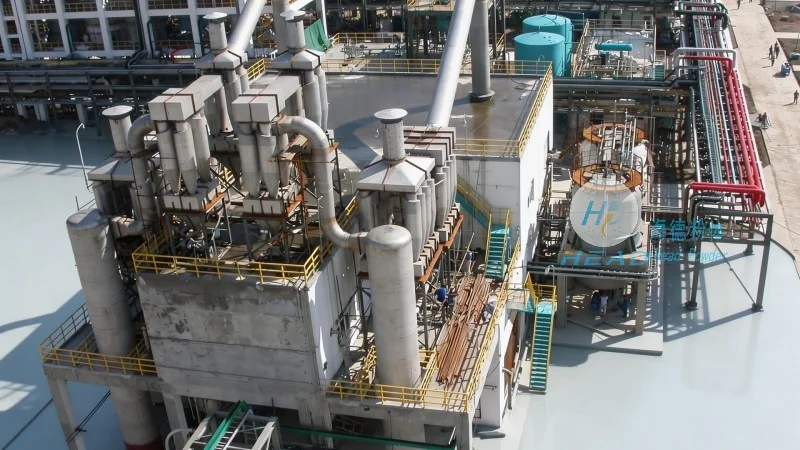
The working principles of metallurgical coke powder material conveying lines are based on the principles of material handling and fluid dynamics. For mechanical conveyors, such as screw conveyors, the operation relies on the rotation of a screw or auger to move the powder along a trough. The screw rotates, pushing the powder forward, while the trough guides the material. The speed of the screw and the angle of the trough determine the conveying capacity and the pressure on the material. For pneumatic conveyors, the system uses air pressure to transport the powder through a pipeline. The powder is suspended in the air stream and carried to the destination. The pressure and flow rate of the air are controlled to ensure efficient transport. The dust collection system operates by creating a negative pressure in the pipeline, drawing the powder and air into the filter system. The filter captures the powder particles, while the clean air is released back into the environment. The control system uses sensors to monitor the pressure and flow rates, adjusting the air supply as needed to maintain optimal conveying conditions. The working principles of these systems are designed to handle the specific characteristics of coke powder, which is a fine, abrasive material. The materials used in the components, such as stainless steel or high-quality alloys, are chosen to withstand the abrasive nature of the powder and prevent wear and tear. The design of the system also considers the need to minimize dust generation, as excessive dust can affect the performance of downstream equipment and pose health risks to workers. Overall, the working principles of metallurgical coke powder conveying lines are focused on efficient, reliable, and safe material transport, ensuring that the coke powder is delivered to the processing unit in the correct quantity and condition.