

Operation Process and Working Principle of Air-Pneumatic Conveying for Furfural Residue Powder
Efficient material handling is a critical aspect of industrial operations, especially when dealing with powders and granular materials. Air-pneumatic conveying systems have emerged as a reliable solution for transporting such materials over short to medium distances. This article focuses on the operation process and working principle of air-pneumatic conveying for furfural residue powder, a byproduct commonly encountered in chemical processing industries.
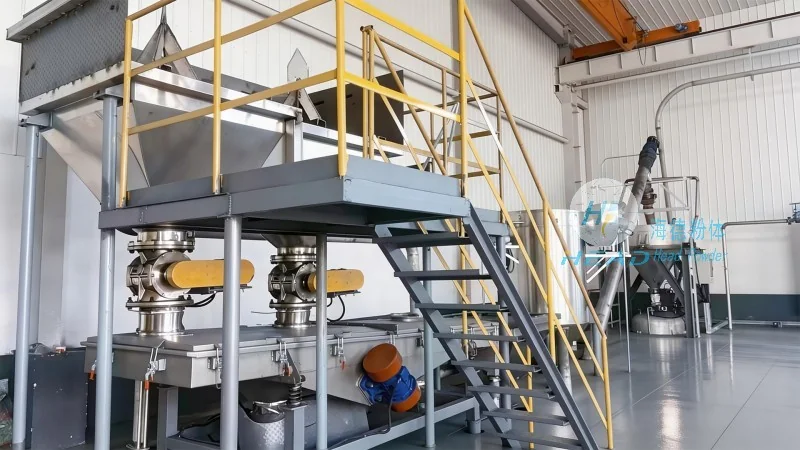
Understanding Furfural Residue Powder and Its Handling Challenges
Furfural residue, also known as furfural waste, is a solid byproduct generated during the production of furfural, a chemical widely used in the pharmaceutical, food, and chemical industries. This residue often consists of a mixture of solid particles, which can be challenging to handle due to their fine particle size, moisture content, and potential for dust generation. Traditional handling methods, such as bucket elevators or belt conveyors, may not be suitable for such materials due to issues like caking, blockages, or high maintenance requirements. Air-pneumatic conveying offers a more efficient and flexible solution to address these challenges.
The Working Principle of Air-Pneumatic Conveying
At the core of air-pneumatic conveying is the use of compressed air to transport material particles through a pipeline. The system typically consists of a blower or compressor, a hopper for material storage, a feed mechanism, and a pipeline network. The process begins when material is fed into the hopper. The feed mechanism then introduces the material into the pipeline, where it is entrained by the high-velocity air stream generated by the blower. The air and material mixture travels through the pipeline to the discharge point, where the material is separated from the air and collected. The separated air is then either vented to the atmosphere or recirculated back to the system, depending on the design.
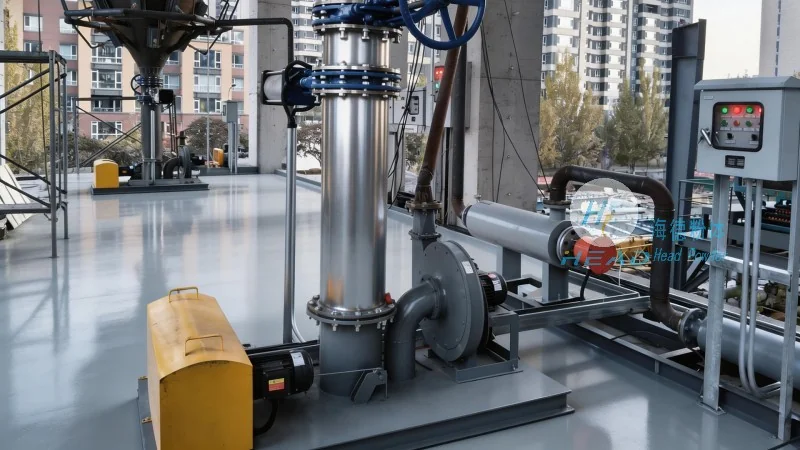
Key Components and Their Functions in the Conveying System
Several key components work together to ensure the smooth operation of an air-pneumatic conveying system for furfural residue powder. The blower or compressor provides the necessary air pressure and volume to generate the conveying air flow. The hopper serves as a storage vessel, allowing for continuous material feeding without interruption. The feed mechanism, which can be a rotary valve, star feeder, or screw feeder, controls the rate of material discharge into the pipeline. The pipeline network, made of materials like stainless steel or plastic, is designed to withstand the pressure and abrasion from the material and air mixture. Additionally, components such as filters, cyclones, and dust collectors are often integrated to manage dust and ensure compliance with environmental regulations.
Operation Process of Air-Pneumatic Conveying for Furfural Residue
The operation process of air-pneumatic conveying for furfural residue powder involves several sequential steps. First, the furfural residue is stored in the hopper. The feed mechanism then regulates the flow of material into the pipeline. The blower starts, creating a high-velocity air stream that entrains the material particles. As the mixture travels through the pipeline, it reaches the discharge point, where a separator (such as a cyclone or filter) separates the material from the air. The separated material is collected in a receiving bin, while the air is either vented or recirculated. This process can be automated to ensure consistent and efficient material transport, minimizing downtime and operational costs.
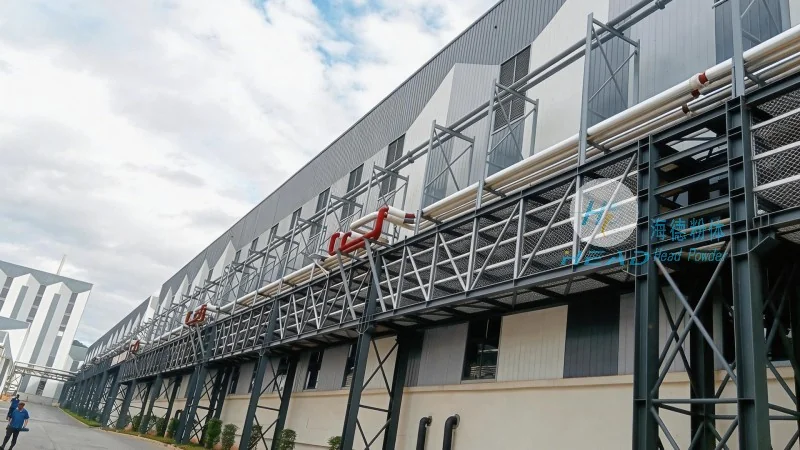
Advantages of Air-Pneumatic Conveying for Furfural Residue Powder
Implementing air-pneumatic conveying for furfural residue powder offers several advantages over traditional handling methods. Firstly, it eliminates the need for mechanical components like buckets or belts, reducing maintenance and repair costs. Secondly, the system is highly flexible, allowing for changes in material flow rates and pipeline configurations without major modifications. Thirdly, it provides better control over dust generation, as the material is contained within the pipeline, reducing environmental impact and health risks. Finally, air-pneumatic conveying can handle a wide range of particle sizes and moisture contents, making it suitable for various furfural residue compositions.
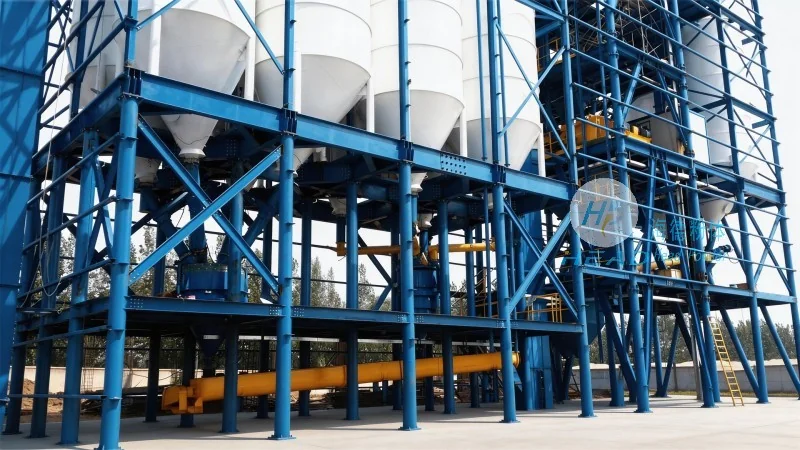
Applications and Industries Utilizing This Technology
The technology of air-pneumatic conveying for furfural residue powder is widely applied in industries that generate such byproducts. In the chemical industry, it is used for transporting furfural residue from reactors to storage or processing units. In the pharmaceutical sector, it helps in handling waste materials from furfural-based processes, ensuring compliance with stringent environmental regulations. Additionally, the food industry may use this system for handling byproducts from furfural production, which can be repurposed or disposed of safely. The versatility of air-pneumatic conveying makes it a preferred choice for industries seeking efficient and reliable material handling solutions.
About HeadPowder: A Leading Provider of Material Handling Solutions
HeadPowder, or Shandong HeadPowder Engineering Co., Ltd., is a reputable company based in China, specializing in the design, manufacturing, and installation of advanced material handling systems. With a focus on innovation and customer satisfaction, HeadPowder provides tailored solutions for various industrial applications, including air-pneumatic conveying systems for furfural residue powder. The company's expertise lies in understanding the unique challenges of different materials and designing systems that optimize performance, reduce costs, and ensure safety. HeadPowder's commitment to quality and reliability has made it a trusted partner for industries seeking efficient material handling solutions.