

The Operation Process and Working Principle of Powdered Mortar Powder Pneumatic Conveying
HeadPowder, a leading provider in the field of powder processing technology, specializes in the design, manufacturing, and application of pneumatic conveying systems tailored for the dry mortar industry. This article delves into the operational process and working principles of such systems, offering a comprehensive understanding of how they efficiently transport powdered mortar materials. The company, based in Shandong, China, leverages advanced engineering solutions to meet the evolving demands of the construction materials sector.
Overview of Pneumatic Conveying Systems for Powdered Mortar
Pneumatic conveying systems are essential for the efficient handling and transportation of dry mortar powders in industrial settings. These systems utilize air or gas as the conveying medium to move bulk materials from one location to another, eliminating the need for mechanical components like belts or buckets. The technology is widely adopted due to its ability to handle a variety of powder types, including those with different particle sizes, moisture contents, and flow characteristics. HeadPowder's expertise lies in customizing these systems to ensure optimal performance, reliability, and energy efficiency for clients in the dry mortar production and distribution chain.
The Working Principle of Pneumatic Conveying
The core principle of pneumatic conveying involves creating a pressure differential between the conveying line and the ambient environment. This is achieved by either generating positive pressure (where air is forced into the system) or negative pressure (where air is drawn out of the system). In the context of dry mortar powder handling, positive pressure systems are more commonly used, as they offer better control over material flow and are less prone to blockages. The process typically begins with the material being fed into a hopper or silo, where it is then drawn into the conveying line by a fan or blower. The air, mixed with the powder, travels through the pipeline to the discharge point, where the material is separated from the air and deposited into the target container or processing unit.
Key Components and Their Roles in the System
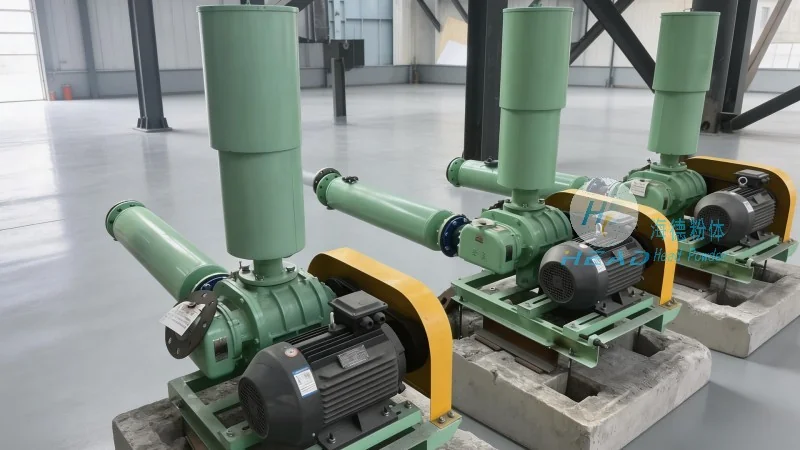
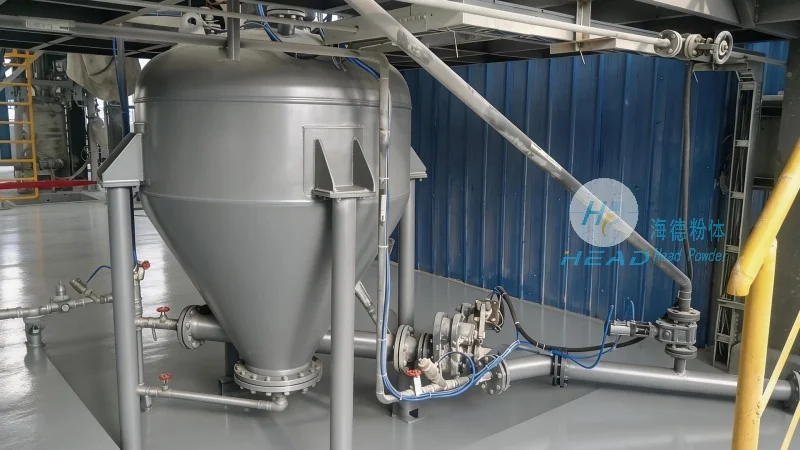
Several critical components work in tandem to ensure the smooth operation of a pneumatic conveying system for powdered mortar. These include the feeding device, which ensures a consistent and controlled flow of material into the system; the air mover (fan or blower), which provides the necessary pressure to transport the material; the conveying line, which can be made of metal or flexible tubing depending on the application; and the separation and collection equipment, such as cyclones or filters, which separate the powder from the air at the discharge end. Each component is carefully selected and designed by HeadPowder to meet the specific requirements of the dry mortar powder being handled, ensuring minimal loss, low maintenance, and high efficiency.
The Operational Process: From Material Loading to Discharge
The operational process of a pneumatic conveying system for powdered mortar involves several sequential steps. First, the dry mortar powder is loaded into the storage silo or hopper. A feeder, such as a rotary valve or screw feeder, then regulates the flow of material into the conveying line. The air mover, typically a centrifugal fan or positive displacement blower, generates the required pressure to pull the powder into the line. As the air and powder mixture travels through the pipeline, it reaches the discharge point, where a cyclone or other separation device separates the powder from the air. The separated powder is then collected in the target container, while the air is either vented to the atmosphere or recirculated back into the system for energy efficiency. HeadPowder's systems are engineered to maintain consistent pressure and flow rates throughout the process, minimizing downtime and maximizing throughput.
Advantages and Considerations in Pneumatic Conveying for Dry Mortar
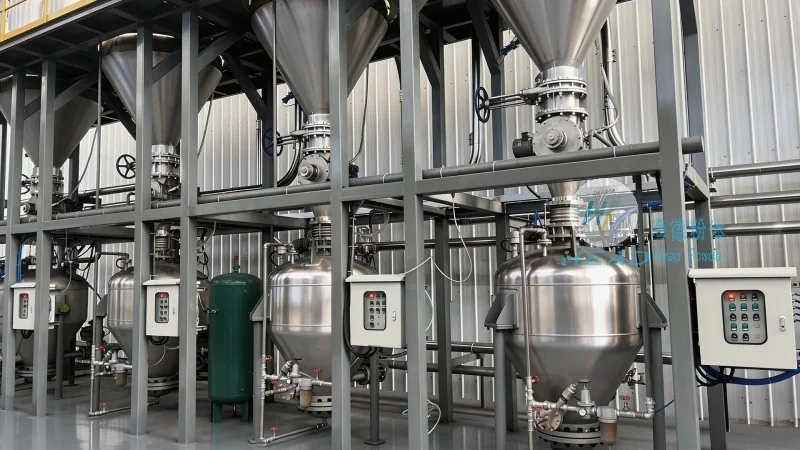
Pneumatic conveying offers numerous advantages for the transportation of powdered mortar, including the ability to handle materials with varying properties, reduced risk of contamination compared to mechanical systems, and the flexibility to integrate with existing production lines. However, it also requires careful consideration of factors such as material characteristics, system design, and maintenance. HeadPowder addresses these considerations by conducting thorough material analysis and system simulations before designing a custom solution. This ensures that the final system not only meets the operational requirements but also provides long-term reliability and cost-effectiveness for the client.
Conclusion and Company Expertise
In conclusion, the operation process and working principle of pneumatic conveying systems for powdered mortar are intricate yet highly effective methods for material handling in the dry mortar industry. HeadPowder, with its headquarters in Shandong, China, has established itself as a trusted partner in providing advanced pneumatic conveying solutions tailored to the unique needs of mortar manufacturers. By focusing on precision engineering, material compatibility, and operational efficiency, HeadPowder ensures that its clients can achieve optimal performance and reliability in their powder handling processes. The company's commitment to innovation and customer-centric solutions continues to drive advancements in the field, supporting the growth and efficiency of the construction materials sector.