

Operation Process and Working Principle of Cement Raw Material Powder Pneumatic Conveying
Understanding the operation process and working principle of cement raw material powder pneumatic conveying is crucial for optimizing material handling in cement production facilities. This technology efficiently transports bulk powders like limestone, clay, and iron ore over long distances without the need for mechanical components, reducing maintenance costs and enhancing operational safety.
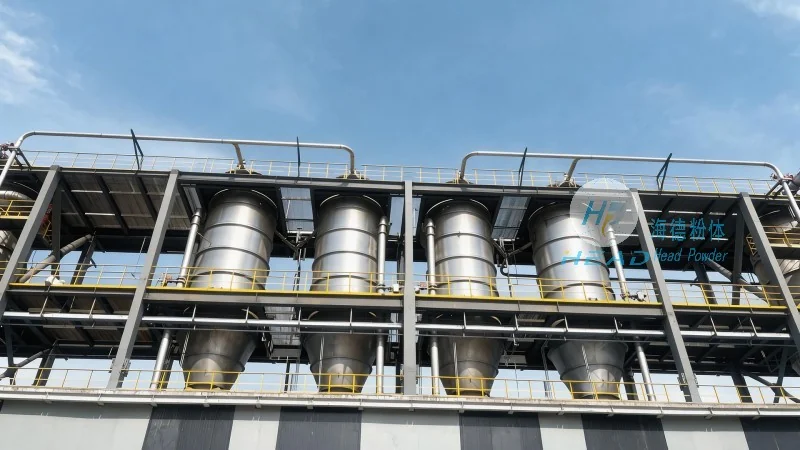
Working Principle of Pneumatic Conveying Systems
The core of pneumatic conveying for cement raw materials relies on the use of air as the conveying medium. A typical system consists of a hopper for material storage, a blower or compressor to generate airflow, and a pipeline network that transports the powder. The process begins when raw material is fed into the hopper. As the blower operates, it creates a pressure differential that draws the powder into the pipeline. The air-powder mixture travels through the system, with the air providing the necessary kinetic energy to move the particles. At the receiving end, a separator or cyclone separates the air from the material, allowing the powder to be discharged into the next processing stage. This method ensures a continuous and controlled flow of raw materials, minimizing downtime and improving overall plant efficiency.
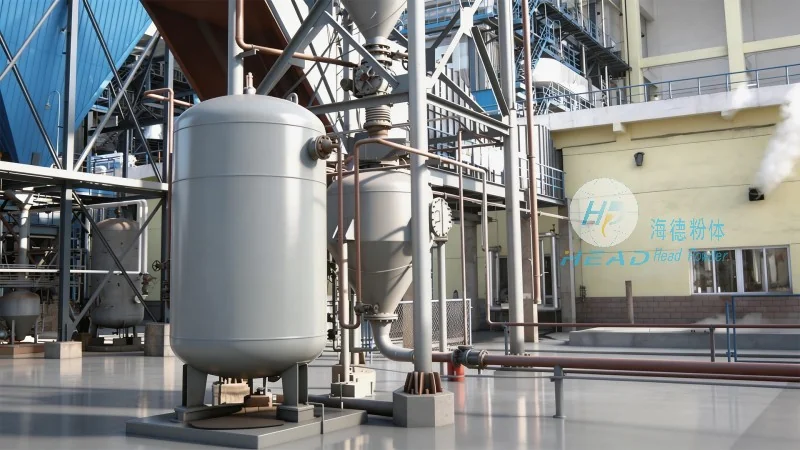
Key Components and Their Roles in the Conveying Process
Several critical components work in tandem to ensure the smooth operation of cement raw material pneumatic conveying systems. The material hopper serves as the storage and feeding unit, maintaining a consistent supply of raw material. The blower or compressor is the power source, generating the airflow required to move the powder. The pipeline system, often made of stainless steel or other corrosion-resistant materials, is designed to withstand the abrasive nature of cement raw materials and maintain air pressure. Additionally, control valves and regulators are used to adjust the airflow and pressure, ensuring precise control over the conveying process. These components are engineered to handle the high volume and abrasive properties of cement raw materials, ensuring long-term reliability and minimal maintenance.
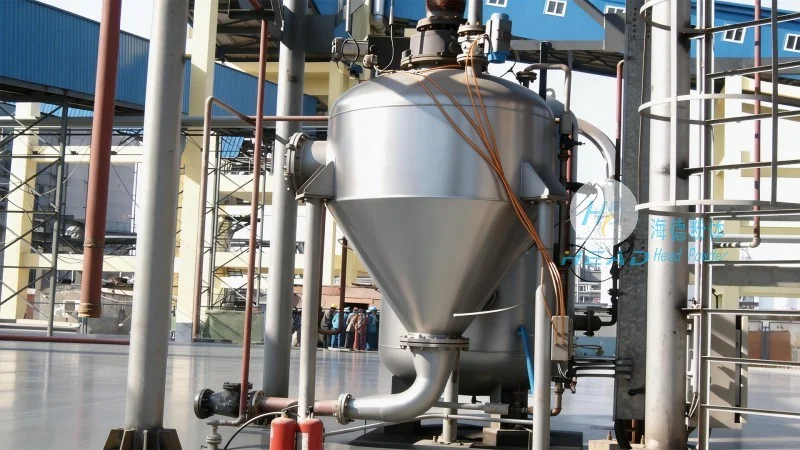
Operation Process: From Material Feeding to Discharge
The operation process of a cement raw material pneumatic conveying system involves several sequential steps. Initially, raw materials such as limestone, clay, and iron ore are stored in bulk storage silos or hoppers. A feeder mechanism, such as a rotary valve or screw feeder, controls the flow of material from the hopper into the conveying pipeline. The blower then activates, creating a negative pressure in the pipeline that draws the material into the system. As the air-powder mixture travels through the pipeline, it may encounter bends, expansions, or other components that help direct the flow. At the destination point, a separator or cyclone separates the air from the material. The separated powder is then discharged into a storage silo or directly into the raw mill for further processing. The air, now free of powder, is either recirculated back to the blower or vented to the atmosphere, depending on the system design. This continuous cycle ensures a steady supply of raw materials to the cement production line, supporting efficient and uninterrupted operations.
Advantages of Pneumatic Conveying in Cement Production
Pneumatic conveying offers several advantages over traditional mechanical conveying methods in cement production. Firstly, it eliminates the need for mechanical components like conveyor belts or buckets, reducing maintenance costs and minimizing the risk of mechanical failures. Secondly, the system is highly flexible, allowing for changes in material flow rates and pipeline configurations without major modifications. Thirdly, it provides better control over material handling, preventing dust emissions and ensuring a cleaner working environment. Additionally, pneumatic conveying can handle high volumes of material over long distances, making it suitable for large-scale cement plants. These benefits contribute to improved operational efficiency, reduced downtime, and enhanced safety in cement production facilities.
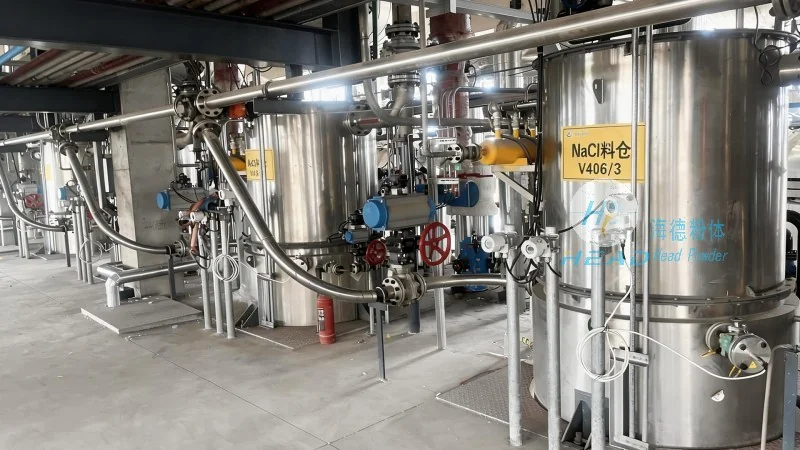
About Shandong HeadPowder Engineering Co., Ltd.
Shandong HeadPowder Engineering Co., Ltd., commonly known as headpowder, is a leading provider of advanced material handling solutions for the cement industry. With a focus on innovation and quality, the company specializes in designing and manufacturing pneumatic conveying systems tailored to the specific needs of cement plants. Headpowder's expertise lies in understanding the unique challenges of cement raw material handling, such as abrasive properties and high volumes, and developing solutions that address these challenges effectively. The company's products are engineered to meet international standards and are installed in numerous cement plants across China, providing reliable and efficient material transport solutions. Headpowder's commitment to customer satisfaction and technological advancement has established it as a trusted partner in the cement industry, helping clients optimize their operations and improve overall productivity.