

Operation Process and Working Principle of PTA Powder Material Pneumatic Conveying
PTA (Polyethylene Terephthalate Acid) powder is a critical raw material in the production of polyester fibers and resins. Efficient and reliable material handling is essential for maintaining production efficiency and product quality. Pneumatic conveying systems offer a solution for transporting PTA powder from storage to processing units, ensuring a seamless and controlled transfer process.
Introduction to PTA Powder Pneumatic Conveying
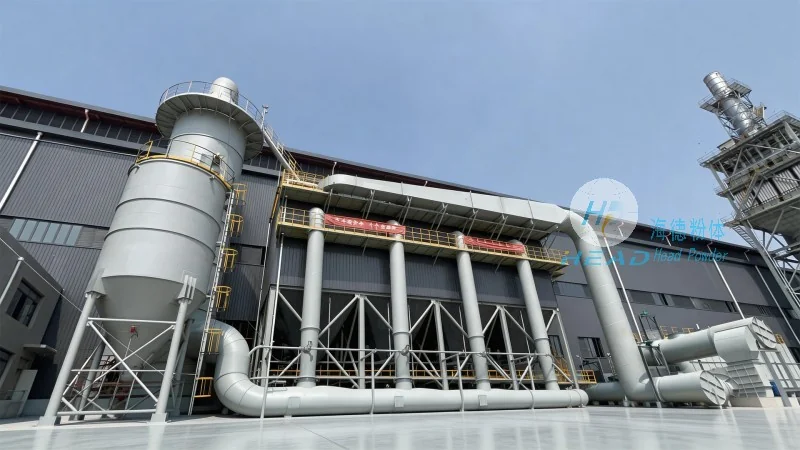
Pneumatic conveying, or air-assisted material transport, utilizes compressed air to move solid materials like PTA powder through a pipeline system. This method is particularly advantageous for handling fine powders that are prone to dust, static, or caking. The system typically consists of a series of components including a hopper, feeder, air compressor, pipeline network, and receiving vessel. Each component plays a crucial role in the overall operation, ensuring that the PTA powder is transported safely and efficiently.
About HeadPowder: Shandong HeadPowder Engineering Co., Ltd.
HeadPowder, or Shandong HeadPowder Engineering Co., Ltd., is a leading provider of engineering solutions for material handling and processing. With headquarters located in Shandong, China, the company specializes in designing, manufacturing, and installing pneumatic conveying systems tailored to the needs of various industries, including the chemical and textile sectors. HeadPowder's expertise lies in optimizing material flow, minimizing downtime, and enhancing overall operational efficiency for clients dealing with fine powders like PTA.
The Operation Process of PTA Powder Pneumatic Conveying
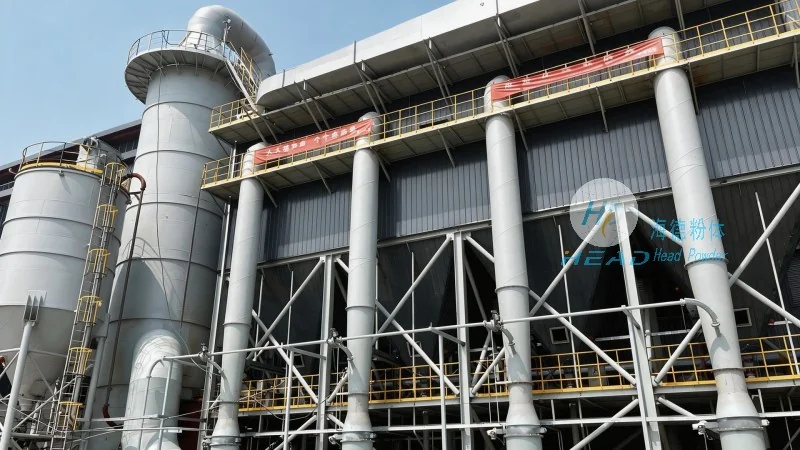
The operation of a PTA powder pneumatic conveying system involves several key steps, starting from the initial preparation to the final delivery of the material. The process begins with the loading of PTA powder into the hopper, which is equipped with a feeder that controls the flow rate. The feeder then releases the powder into the pipeline, where it is mixed with compressed air from the air compressor. The air-powder mixture travels through the pipeline network to the receiving vessel, where the material is deposited. The system operates continuously, with the feeder and compressor working in tandem to maintain a steady flow rate. During operation, the system monitors pressure and flow rates to ensure optimal performance. If any issues arise, such as blockages or pressure drops, the system includes safety features to alert operators and take corrective actions.
Working Principle of PTA Powder Pneumatic Conveying
The fundamental principle behind pneumatic conveying is the use of air to create a flow of material through a pipeline. In the case of PTA powder, the system typically employs an "air-assisted" or "pressure" type of conveying, where compressed air is used to push the powder forward. The air is introduced at a specific velocity and pressure to ensure that the powder particles are entrained and transported without settling or clogging the pipeline. The design of the pipeline, including the diameter and bends, is critical to maintaining the air-powder ratio, which directly affects the conveying efficiency. The receiving vessel is designed to handle the incoming material, often with a hopper or silo to store the PTA powder until it is used in the next stage of production. The entire system is controlled by a programmable logic controller (PLC) that manages the flow rates, pressure, and other parameters to ensure consistent and reliable operation.
Key Components and Their Functions in PTA Powder Pneumatic Conveying
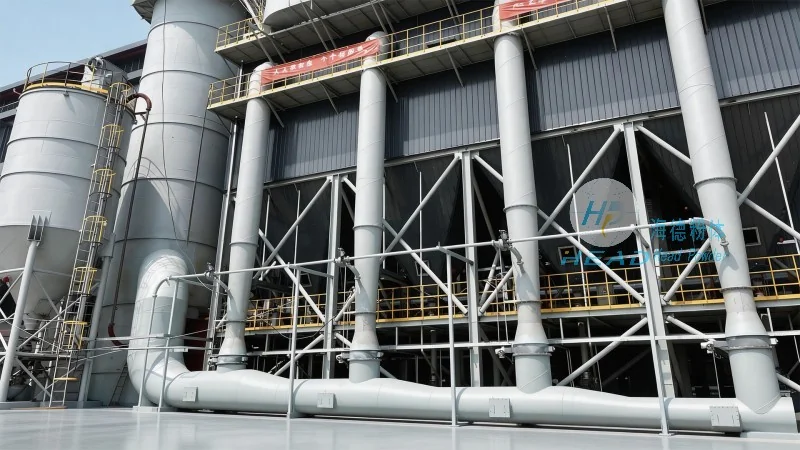
Several key components are integral to the successful operation of a PTA powder pneumatic conveying system. The hopper serves as the storage and feeding unit, providing a controlled environment for the powder to be loaded and released. The feeder, often a rotary valve or screw feeder, regulates the flow rate of the PTA powder into the pipeline, preventing overloading and ensuring a steady supply. The air compressor generates the necessary compressed air, which is then filtered and conditioned to remove contaminants that could affect the powder quality. The pipeline network, made of materials resistant to PTA powder and air, connects the hopper to the receiving vessel, with appropriate bends and fittings to maintain the flow. The receiving vessel, typically a silo or hopper, collects the PTA powder and stores it for subsequent processing. Each component is designed to work in harmony, with the system's control system monitoring and adjusting parameters to maintain optimal performance.
Benefits and Considerations for PTA Powder Pneumatic Conveying
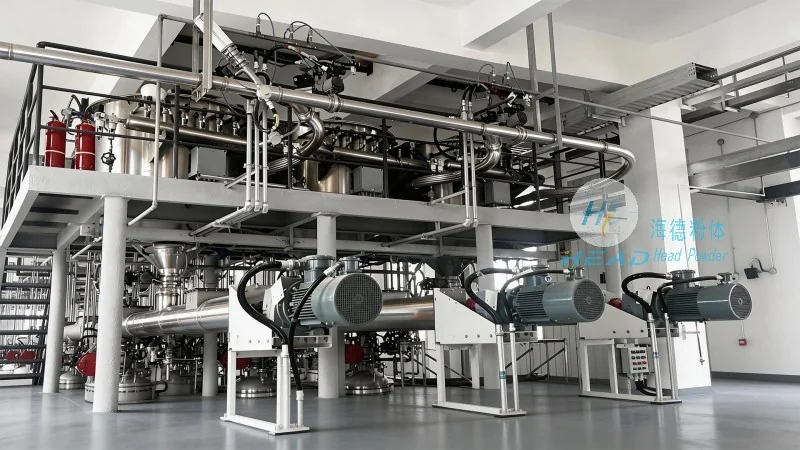
Pneumatic conveying offers several benefits for handling PTA powder, including the ability to transport the material over long distances, minimize dust exposure, and maintain product integrity. The system is also relatively compact and can be integrated into existing production facilities. However, there are considerations to keep in mind, such as the need for proper maintenance to prevent blockages and ensure consistent performance. The air-powder ratio must be carefully controlled to avoid excessive air consumption or inefficient conveying. Additionally, the system requires regular cleaning and maintenance to prevent the buildup of powder in the pipeline, which can lead to clogging and reduced efficiency. HeadPowder's expertise in designing and installing these systems ensures that clients receive solutions tailored to their specific needs, maximizing the benefits while minimizing potential issues.
Conclusion
In summary, the operation process and working principle of PTA powder pneumatic conveying involve a carefully coordinated system of components and processes. From the initial loading of the powder to the final delivery, each step is designed to ensure efficient and reliable transport. HeadPowder, with its expertise in material handling engineering, provides comprehensive solutions for PTA powder pneumatic conveying, helping clients optimize their production processes and maintain high-quality standards. The system's ability to handle fine powders like PTA with precision and control makes it an essential technology in the chemical and textile industries.