

Operation Process and Working Principle of Pneumatic Conveying for Resin Granule Materials
Pneumatic conveying systems are widely used in industrial applications for transporting resin granules efficiently and reliably. These systems utilize air or gas to move bulk materials through a pipeline network, offering advantages such as reduced contamination, improved safety, and the ability to handle materials in a closed environment. Understanding the operation process and working principle of such systems is crucial for optimizing performance and ensuring smooth material handling operations.
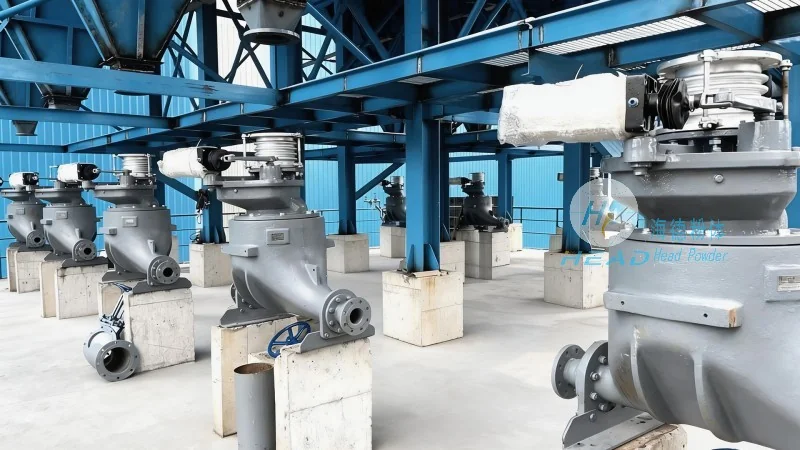
Key Components of a Pneumatic Conveying System
A typical pneumatic conveying system for resin granules consists of several essential components that work in concert to facilitate material transport. The primary components include a hopper or feeder to store and feed the resin granules, a conveying line (usually made of metal or plastic pipes), a blower or compressor to generate the necessary air pressure, and a receiver or discharge unit to collect the conveyed material. Each component plays a vital role in the overall system performance, and their proper selection and integration are critical for achieving efficient operation.
Operation Process of Pneumatic Conveying for Resin Granules
The operation process of a pneumatic conveying system for resin granules involves several sequential steps. First, the resin granules are loaded into the hopper or feeder. The feeder then regulates the flow of material into the conveying line, ensuring a consistent feed rate. Next, the blower or compressor generates the required air pressure, which is introduced into the conveying line. As the air flows through the line, it entrains the resin granules, creating a mixture of air and material. This mixture travels through the pipeline to the receiver or discharge point, where the material is separated from the air and collected. The air is then typically filtered and recycled back into the system to maintain efficiency and reduce waste.
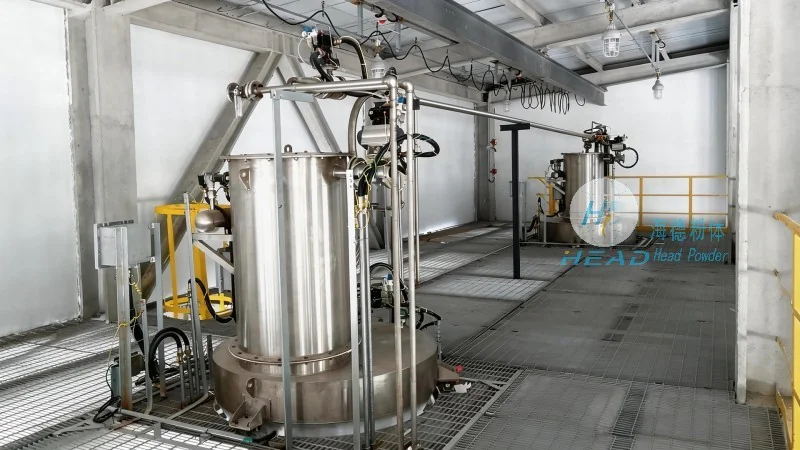
Working Principle of Pneumatic Conveying Systems
The working principle of pneumatic conveying systems is based on the fundamental physics of fluid dynamics and particle transport. The system operates by creating a pressure differential between the inlet and outlet of the conveying line. The blower or compressor provides the necessary pressure to overcome the resistance of the pipeline and the weight of the resin granules. The air flow velocity is carefully controlled to ensure that the resin granules are adequately entrained and transported without causing excessive wear or damage to the system components. The choice of conveying method (e.g., dilute-phase or dense-phase) depends on factors such as material properties, distance, and desired flow rate, and it directly impacts the system's efficiency and performance.
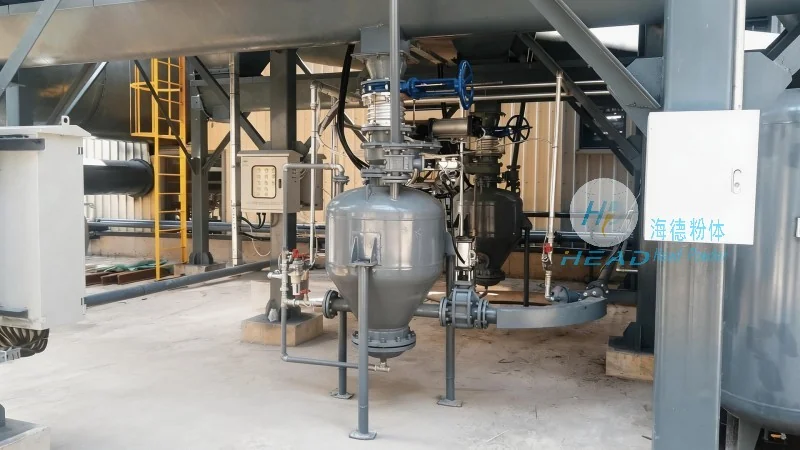
Advantages of Pneumatic Conveying for Resin Granules
Implementing a pneumatic conveying system for resin granules offers numerous advantages over traditional methods like belt conveyors or bucket elevators. One of the key benefits is the ability to handle materials in a closed environment, which minimizes dust emissions and prevents contamination from external sources. This is particularly important for resin granules, which are often sensitive to moisture or air exposure. Additionally, pneumatic conveying systems are highly flexible, allowing for changes in material flow direction or destination without the need for extensive reconfiguration. They also provide better control over material flow rates and can handle a wide range of resin types and sizes, making them suitable for various industrial applications.
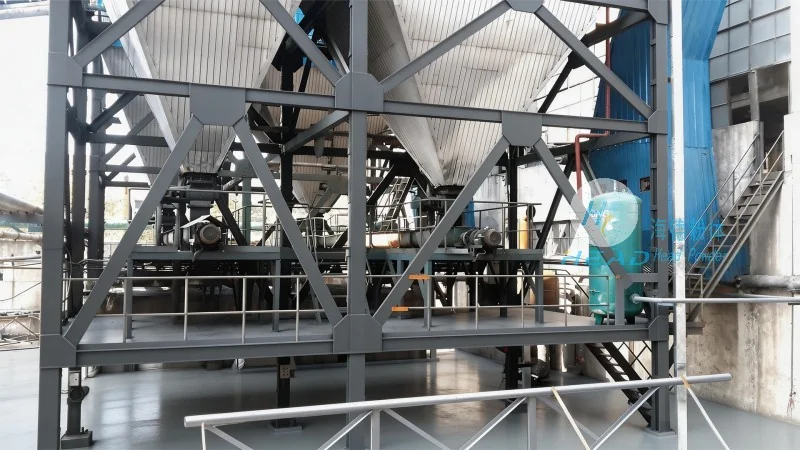
Applications and Industries Using Pneumatic Conveying for Resin Granules
Pneumatic conveying systems for resin granules are widely used across multiple industries, including the plastics manufacturing sector, where resin is a primary raw material. In these applications, the system efficiently transports resin from storage silos or hoppers to processing equipment such as extruders or injection molding machines. Other industries that benefit from pneumatic conveying include pharmaceuticals, food processing, and chemical manufacturing, where the need for clean, contamination-free material handling is paramount. The versatility of pneumatic conveying systems makes them an ideal solution for transporting resin granules in a variety of industrial settings.
Company Overview: Shandong HeadPowder Engineering Co., Ltd.
Shandong HeadPowder Engineering Co., Ltd., commonly known as headpowder, is a leading provider of pneumatic conveying solutions tailored for resin granule applications. With a strong focus on innovation and customer satisfaction, the company specializes in designing, manufacturing, and installing customized pneumatic conveying systems that meet the specific needs of its clients. Headpowder's expertise lies in understanding the unique challenges of resin granule handling and developing efficient, reliable systems that enhance operational efficiency and reduce downtime. The company's facilities are located in Shandong, China, where it leverages advanced technology and skilled personnel to deliver high-quality products and services to the global market.