

Operation Process and Working Principle of Pneumatic Conveying for Paddy Grain Particulate Materials
HeadPowder, a leading engineering firm based in Shandong, China, specializes in the design, manufacturing, and installation of advanced pneumatic conveying systems tailored for the handling of paddy grain and other particulate materials. This article provides a detailed exploration of the operational process and underlying principles of such systems, offering insights into their efficiency, reliability, and practical applications in grain processing industries.
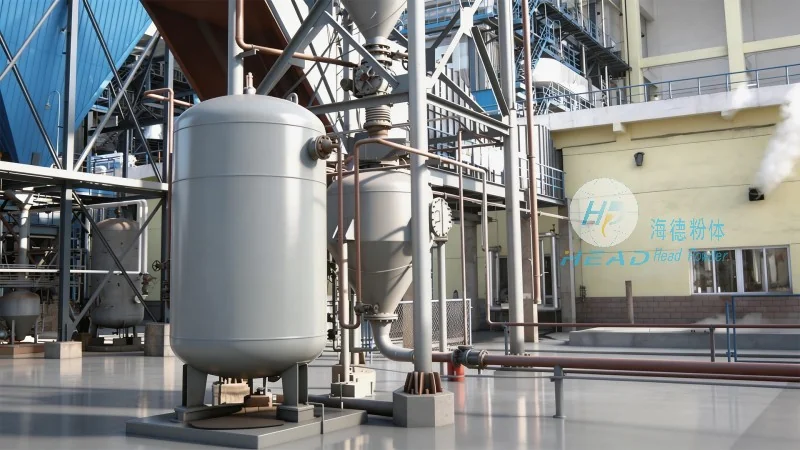
Pneumatic Conveying Systems for Paddy Grain: An Overview
Pneumatic conveying, also known as air conveying, is a technology that utilizes pressurized or vacuum air to transport bulk materials like paddy grains through a pipeline network. For paddy grain, which is a fine particulate material with specific handling requirements, these systems offer a non-contact, low-damage, and highly efficient method of material transport. The systems are designed to maintain the quality of the grain, minimize dust generation, and ensure smooth, continuous operation in grain processing facilities.
Key Components of Paddy Grain Pneumatic Conveying Systems
The core components of a pneumatic conveying system for paddy grain typically include a material feed hopper, a conveyor pipeline, a pressure or vacuum source (such as a blower or vacuum pump), a control system, and a discharge or collection unit. Each component plays a critical role in the overall operation, ensuring that the paddy grain is conveyed safely and effectively from the source to the destination.
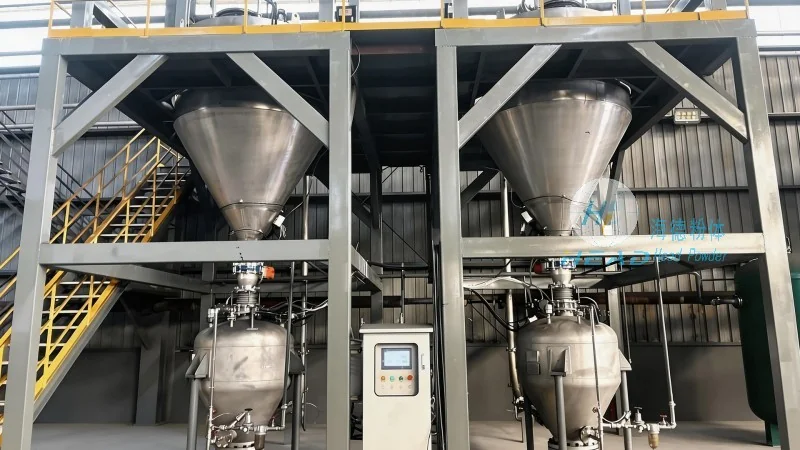
The Operational Process of Paddy Grain Pneumatic Conveying
The operational process of a paddy grain pneumatic conveying system involves several sequential steps. First, the paddy grain is fed into the material hopper from the storage silo or processing unit. The hopper is equipped with a feeder mechanism, such as a rotary valve or a screw conveyor, which regulates the flow rate of the grain into the pipeline. Next, the air source (blower or vacuum pump) generates the necessary pressure or vacuum to move the grain through the pipeline. The grain is suspended in the air stream and transported along the pipeline to the discharge point. At the discharge end, the grain is collected in a receiving hopper or storage bin, and the air is filtered and returned to the system to maintain a clean and efficient operation.
Working Principle of Paddy Grain Pneumatic Conveying
The working principle of pneumatic conveying for paddy grain is based on the interaction between the air flow and the particulate material. In a pressure system, the blower creates a high-pressure air stream that pushes the grain through the pipeline. The grain particles are carried by the air, forming a dense or dilute phase flow depending on the system design and operating conditions. In a vacuum system, the vacuum pump creates a low-pressure environment that draws the grain into the pipeline. The air flow velocity is carefully controlled to ensure that the grain particles are fully suspended and transported without causing blockages or damage. The system's control unit monitors parameters such as pressure, flow rate, and material level, adjusting the air source and feeder as needed to maintain optimal performance.
Advantages of Paddy Grain Pneumatic Conveying Systems
Pneumatic conveying systems for paddy grain offer several advantages over traditional mechanical conveying methods. These include non-contact handling, which reduces grain breakage and maintains product quality. The systems are also capable of handling fine particulate materials with high efficiency, minimizing dust generation and improving workplace safety. Additionally, pneumatic conveying systems can be designed for long-distance transport and can integrate with other processing equipment, such as cleaning, drying, or sorting units, to form a comprehensive grain processing line. The flexibility of these systems allows for easy integration into existing facilities or new construction projects, providing a cost-effective solution for grain handling needs.
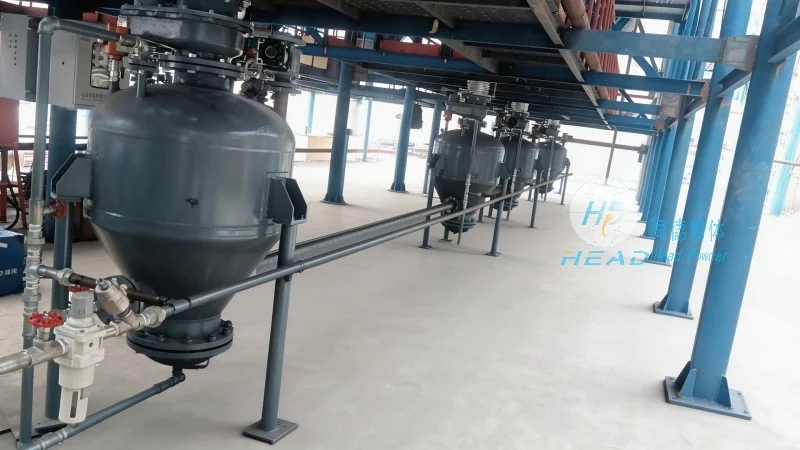
Applications and Industries
Paddy grain pneumatic conveying systems are widely used in various industries, including rice mills, food processing plants, and agricultural storage facilities. In rice mills, the system is used to transport paddy grain from storage silos to processing units, such as hullers and polishers. In food processing plants, the system can be used to convey paddy grain for further processing into rice products or other food items. Agricultural storage facilities utilize these systems to move paddy grain between storage bins, ensuring efficient inventory management and reducing labor costs associated with manual handling.
Conclusion
HeadPowder's expertise in pneumatic conveying systems for paddy grain ensures that clients receive reliable and efficient solutions tailored to their specific needs. By understanding the operational process and working principles of these systems, businesses can optimize their grain handling operations, improve product quality, and enhance overall productivity. With a strong presence in Shandong, China, HeadPowder continues to provide innovative engineering solutions that meet the evolving demands of the grain processing industry.