

Operation Process and Working Principle of Phosphorus Pentachloride Material Pneumatic Conveying
Phosphorus pentachloride (PCl₅) is a highly reactive and corrosive chemical compound widely used in the production of various industrial chemicals. Efficient and safe material handling is crucial when dealing with such substances, and pneumatic conveying systems offer a reliable solution for transporting PCl₅ from storage to processing units. This article provides an overview of the operation process and working principles of PCl₅ material pneumatic conveying, highlighting key components, operational steps, and best practices for ensuring safe and effective transport, as offered by Shandong HeadPowder Engineering Co., Ltd., a leading provider of industrial material handling solutions based in Shandong, China.
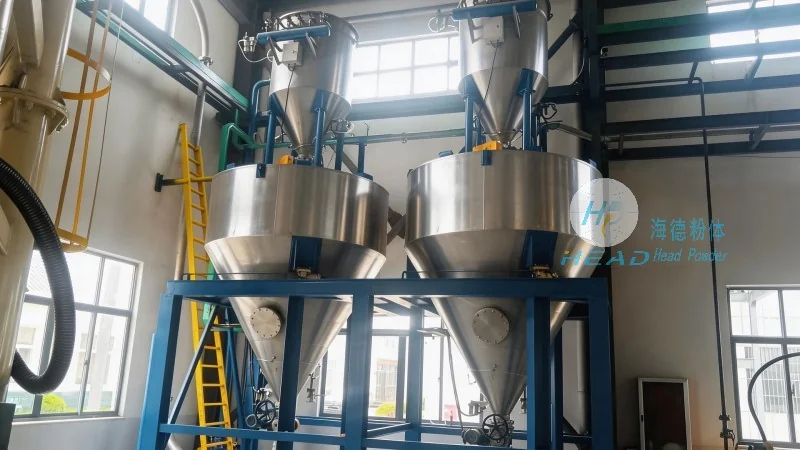
Key Components of PCl₅ Pneumatic Conveying Systems
The pneumatic conveying system for PCl₅ typically consists of several critical components that work in tandem to ensure smooth material transport. These include a hopper or storage silo for storing the PCl₅, a rotary valve or feeder to control the flow rate, a conveying line (usually made of corrosion-resistant materials like stainless steel or PTFE-lined pipes), a venturi or eductor to create the necessary airflow, and a receiver or collection hopper at the destination. The selection of materials for these components is critical due to the corrosive nature of PCl₅, as it can degrade many common metals and polymers over time. Shandong HeadPowder Engineering Co., Ltd. specializes in designing and manufacturing these components to meet the specific requirements of PCl₅ handling applications, ensuring durability and reliability in harsh environments.
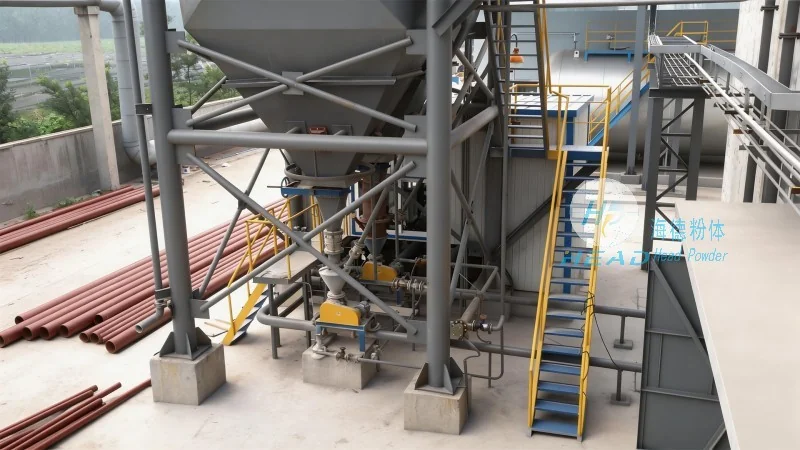
Working Principle of PCl₅ Pneumatic Conveying
The core principle of pneumatic conveying is the use of compressed air to move the material through the conveying line. In the case of PCl₅, the process begins with the material being discharged from the storage hopper into the feeder. The feeder then regulates the flow of PCl₅ into the conveying line, where it is entrained by the high-velocity air stream generated by the venturi or eductor. As the air and material mixture travels through the pipeline, the PCl₅ particles are suspended and transported to the receiver. The air then passes through a filter or cyclone to separate the PCl₅ particles from the air, which is then either vented or recycled back into the system. The receiver collects the PCl₅, which can then be further processed or stored. The efficiency of this process depends on the proper design of the venturi, the air velocity, and the particle size distribution of the PCl₅.
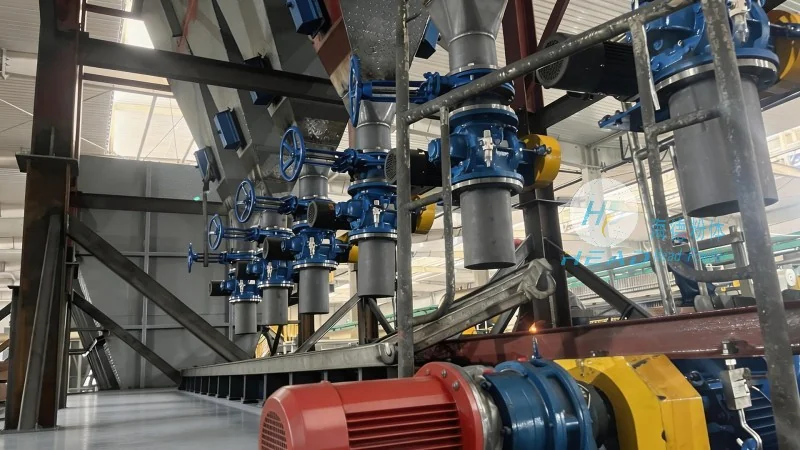
Operation Process of PCl₅ Pneumatic Conveying
The operation process of a PCl₅ pneumatic conveying system involves several sequential steps to ensure safe and efficient material transport. First, the system is prepared by checking the integrity of all components, including the hopper, feeder, conveying line, and receiver. The compressed air supply is then activated, and the system is primed to ensure that all air leaks are eliminated and the airflow is consistent. Next, the PCl₅ is introduced into the hopper, and the feeder is adjusted to the desired flow rate. The system then begins to transport the material from the storage area to the processing unit. During operation, the pressure and flow rates are monitored continuously to ensure that the system is operating within safe parameters. If any issues arise, such as blockages or air leaks, the system is shut down and inspected before resuming operation. The process concludes when the required amount of PCl₅ has been transported to the receiver, and the system is then prepared for the next batch. Shandong HeadPowder Engineering Co., Ltd. provides comprehensive operational guidance to ensure that clients can optimize their PCl₅ pneumatic conveying systems for maximum performance and safety.