

Operation Process and Working Principle of Bulk Bag Unloading Material Pneumatic Conveying System
For industrial facilities dealing with bulk materials, efficient and reliable material handling systems are crucial for maintaining smooth operations and optimizing workflow. The bulk bag unloading material pneumatic conveying system, offered by Shandong HeadPowder Engineering Co., Ltd., is a sophisticated solution designed to streamline the process of transferring bulk materials from large bags into processing equipment or storage containers. This system integrates advanced technology and robust engineering to ensure high performance, minimal downtime, and consistent material quality throughout the conveying process.
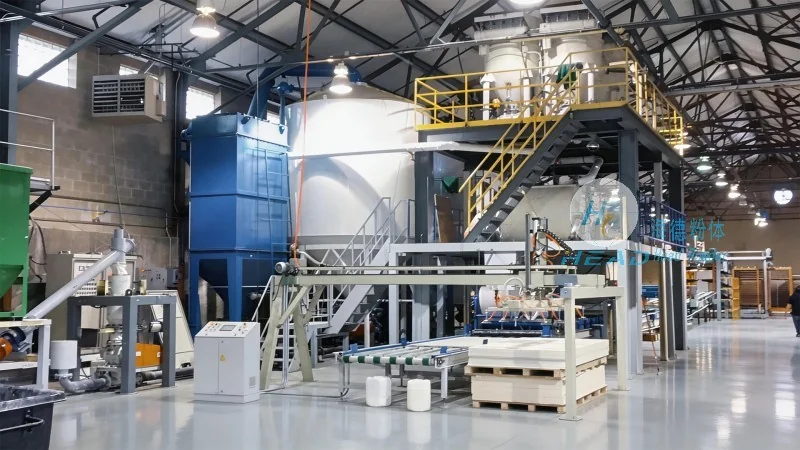
Overview of the Bulk Bag Unloading Pneumatic Conveying System
The system is engineered to handle a wide range of bulk materials, including powders, granules, and other dry substances, typically stored in flexible or rigid bulk bags. The primary function is to automate the unloading and initial conveying of these materials, reducing manual labor and associated risks such as dust exposure and material spillage. By leveraging pneumatic conveying principles, the system uses air pressure to transport materials through a network of pipes, ensuring a clean and controlled transfer from the bag to the processing line.
Key Components and Their Roles
The bulk bag unloading pneumatic conveying system consists of several critical components, each playing a vital role in the overall operation. These include the bulk bag support frame, the airlock or hopper, the pneumatic conveying line, and the receiving hopper or silo. The bulk bag is placed on the support frame, which elevates it to the correct height for unloading. The airlock or hopper is positioned beneath the bag and is equipped with a valve to control the flow of material. The pneumatic conveying line connects the airlock to the receiving equipment, using compressed air to create a pressure differential that drives the material forward. The receiving hopper collects the conveyed material and feeds it into the next stage of the process.
Operation Process: Step-by-Step Explanation
The operation of the bulk bag unloading material pneumatic conveying system follows a systematic sequence to ensure efficient material transfer. First, the bulk bag is positioned on the support frame and secured in place. The airlock valve is then opened, allowing the material to flow from the bag into the airlock. Simultaneously, compressed air is introduced into the conveying line, creating a negative pressure that draws the material through the airlock and into the pipe system. The material is then transported through the pneumatic line to the receiving hopper, where it is deposited. The process continues until the bulk bag is completely emptied, after which the airlock valve is closed, and the system is prepared for the next bag.
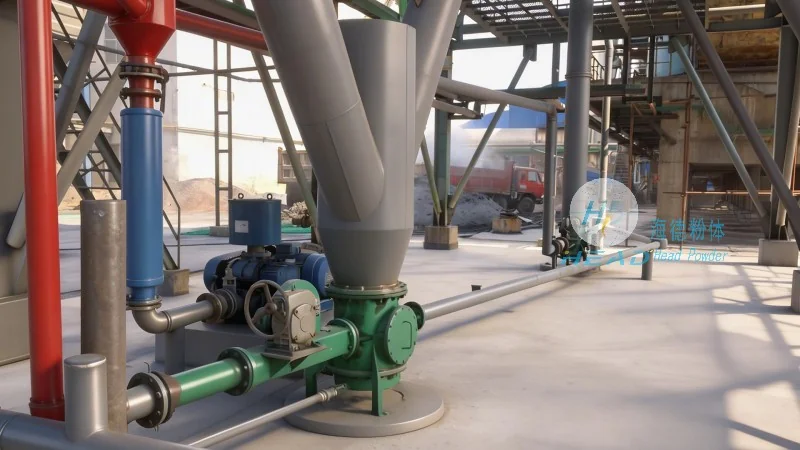
Working Principle: How Pneumatic Conveying Works
The core working principle of the system is based on the use of compressed air to create a pressure differential that propels the material through the conveying line. In the suction mode, which is commonly used for this type of system, the airlock creates a vacuum that pulls the material from the bag and into the pipe. The compressed air is then used to transport the material through the line, while the airlock maintains a seal to prevent backflow and maintain the pressure differential. This method ensures that the material is conveyed in a controlled manner, minimizing particle degradation and ensuring consistent flow rates. The system can be configured for both positive and negative pressure operation, depending on the specific material characteristics and application requirements.
Advantages of the Bulk Bag Unloading Pneumatic Conveying System
Implementing a bulk bag unloading material pneumatic conveying system offers numerous advantages for industrial operations. These include significant labor savings, as the system automates the unloading process, reducing the need for manual handling. Additionally, the system minimizes material loss and contamination, as the enclosed design prevents dust and spillage. The pneumatic conveying method also reduces the risk of material degradation compared to other handling methods, such as belt conveyors or bucket elevators. Furthermore, the system can be integrated with existing processing equipment, allowing for seamless workflow and improved overall efficiency. The robust construction and advanced control systems ensure reliable operation, even with abrasive or corrosive materials.
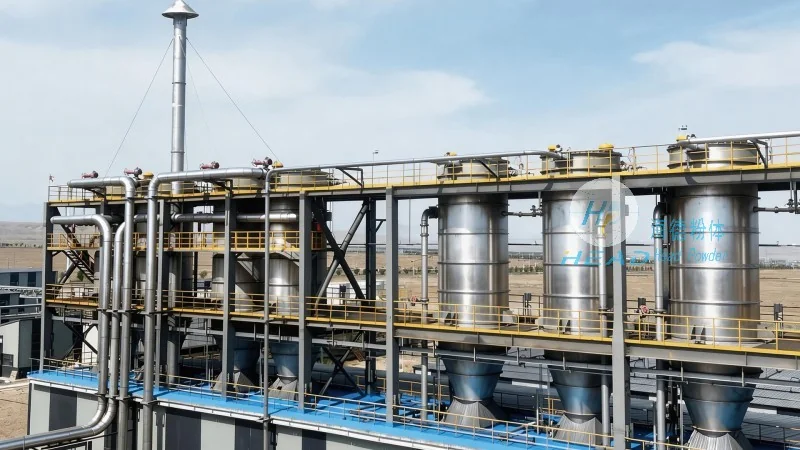
Application Scenarios and Industries
The bulk bag unloading material pneumatic conveying system is widely used across various industries that handle bulk materials. Common applications include the chemical industry, where powders and granules are transferred between processing stages; the food and beverage industry, where raw materials are moved from storage to production lines; the pharmaceutical industry, which requires strict contamination control; and the mining and minerals sector, where bulk materials are handled in large quantities. The system's versatility and adaptability make it suitable for a wide range of material types and processing requirements, making it an essential component in modern industrial facilities.
Maintenance and Operational Considerations
To ensure optimal performance and longevity of the bulk bag unloading material pneumatic conveying system, regular maintenance and proper operational practices are essential. This includes routine inspection of components such as the airlock, conveying line, and support frame for wear and tear. Cleaning the system after each use is crucial to prevent material buildup and maintain efficiency. The compressed air system should be checked regularly to ensure proper pressure and flow rates. Additionally, monitoring the material flow rate and pressure differentials can help identify potential issues before they become major problems. By following these maintenance guidelines, the system can operate at peak efficiency, minimizing downtime and maximizing material throughput.
Conclusion
The bulk bag unloading material pneumatic conveying system from Shandong HeadPowder Engineering Co., Ltd. represents a cutting-edge solution for efficient bulk material handling. By combining advanced pneumatic technology with robust engineering, the system ensures reliable, clean, and controlled transfer of materials from bulk bags to processing equipment. The system's modular design allows for customization to meet specific application requirements, while its automated operation reduces labor costs and minimizes material loss. For industrial facilities seeking to enhance their material handling capabilities, this system offers a reliable and efficient solution that aligns with modern operational standards. With its proven performance and commitment to quality, Shandong HeadPowder Engineering Co., Ltd. continues to be a leader in providing innovative material handling solutions for the global industrial market.