

Operation Process and Working Principle of Bean Powder Material Pneumatic Conveying System
HeadPowder, a leading enterprise in the field of material handling technology, specializes in the design, manufacturing, and installation of advanced pneumatic conveying systems. The bean powder material pneumatic conveying system is a sophisticated solution tailored for the efficient and reliable transport of bean powder and similar bulk materials. This system integrates cutting-edge technology to ensure optimal performance, safety, and durability in industrial applications. The company, with its headquarters in Shandong, China, leverages decades of experience in material handling to deliver customized solutions that meet the unique requirements of each client. Whether it's for food processing, pharmaceuticals, or other industries where precision and hygiene are critical, HeadPowder's systems are designed to maintain the integrity of the bean powder and ensure compliance with industry standards.
Operation Process of the Pneumatic Conveying System
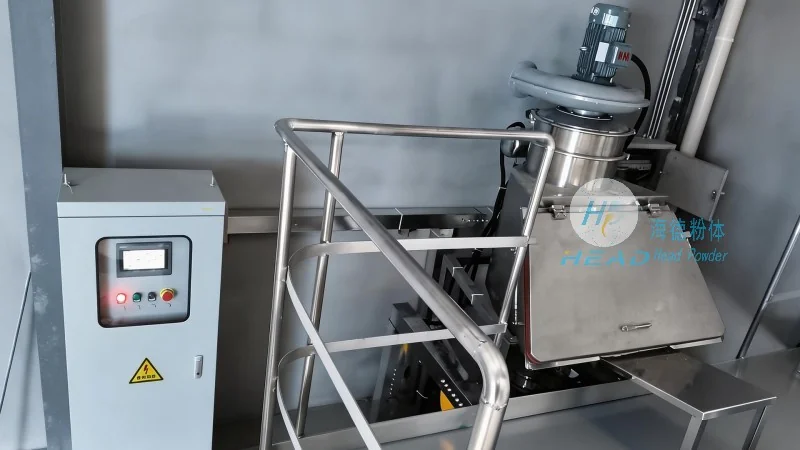
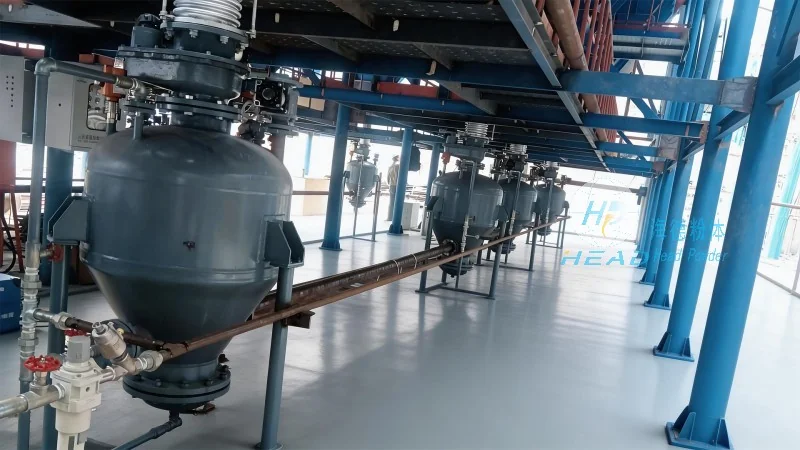
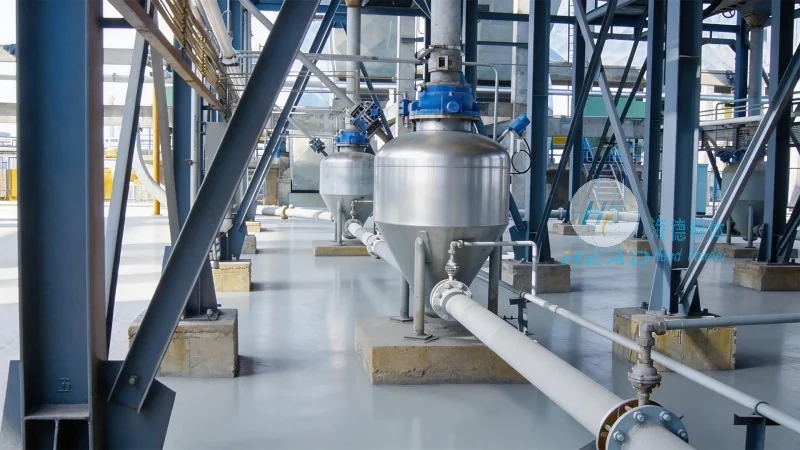
The operation of the bean powder material pneumatic conveying system involves a series of coordinated steps that ensure seamless material transport from the source to the destination. The process begins with the loading of the bean powder into the initial storage hopper or silo. This hopper is equipped with a level sensor to monitor the material level and trigger the loading process when necessary. The material is then drawn into the conveying line through a rotary airlock or rotary valve, which controls the flow rate and prevents backflow. The system uses a positive displacement blower or a centrifugal fan to generate the required air pressure or vacuum, depending on the system configuration. The air flow rate is carefully controlled to maintain a consistent velocity of the material-air mixture, which is crucial for preventing particle degradation and blockages. As the material travels through the pipeline, it may pass through intermediate components such as filters or separators to remove any foreign particles or moisture. The receiving end of the system includes a discharge hopper or silo, where the material is collected and stored for further processing. The entire operation is monitored by a programmable logic controller (PLC) that adjusts the air pressure, flow rate, and other parameters based on real-time feedback from sensors. This automated control ensures that the system operates efficiently, safely, and with minimal downtime. The system is also equipped with safety features such as pressure relief valves and emergency shut-off switches to prevent accidents and protect the equipment from damage.
Working Principle of the Pneumatic Conveying System
The working principle of the bean powder material pneumatic conveying system is based on the fundamental physics of fluid dynamics and particle transport. The system operates by creating a pressure differential between the inlet and outlet of the conveying line. In a pressure system, a blower or compressor generates high-pressure air that forces the bean powder particles to move through the pipeline. The air and material mixture is then discharged at the receiving end, where a cyclone separator or other filtration equipment separates the air from the material. The air is then recirculated back to the blower, while the material is collected in the receiving hopper. In a vacuum system, a vacuum pump creates a low-pressure environment that draws the material from the source into the conveying line. The air flow then carries the material to the destination, where it is deposited. The system's design incorporates features such as airlocks, rotary valves, and check valves to prevent backflow and maintain consistent material flow. The use of appropriate air velocities and pipeline diameters is critical to prevent material degradation, caking, or blockages. HeadPowder's engineers use computational fluid dynamics (CFD) and other simulation tools to model the material flow and optimize the system parameters based on the specific characteristics of the bean powder, such as particle size distribution, density, and moisture content. This ensures that the system operates at peak efficiency and with minimal energy consumption. The system also incorporates features such as pulse-jet cleaning to maintain the cleanliness of the pipeline and prevent material buildup, which can affect the performance and lifespan of the equipment.