

Operation Process and Working Principle of Malt Material Pneumatic Conveying System
Shandong HeadPowder Engineering Co., Ltd., commonly known as HeadPowder, specializes in the design, manufacturing, and installation of advanced pneumatic conveying systems tailored for the malt industry. Based in Shandong, China, the company leverages decades of experience to deliver efficient and reliable solutions for transporting malt materials. This article provides a detailed overview of the operation process and working principles of such systems, highlighting key components and operational mechanisms.
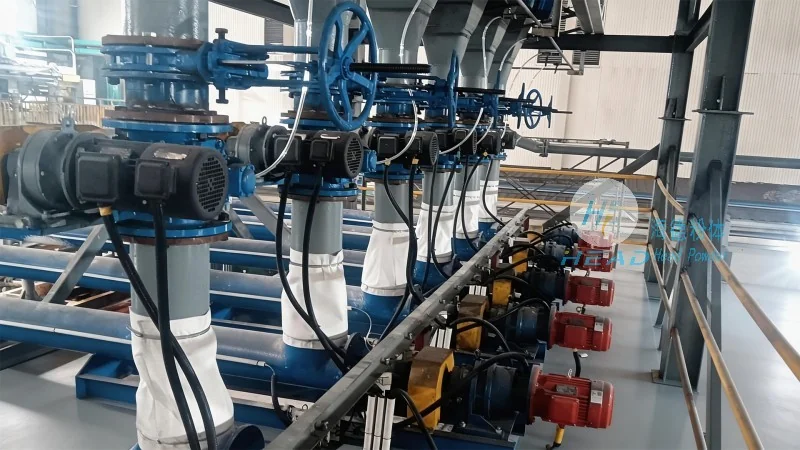
Key Components of Malt Pneumatic Conveying Systems
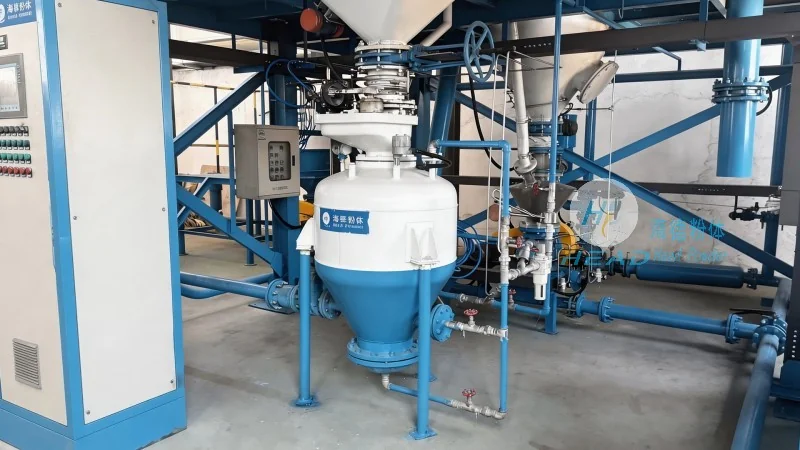
The malt pneumatic conveying system typically consists of several core components that work in concert to ensure smooth material transport. These include the hopper (for material storage and feeding), the air compressor (to generate the necessary air pressure), the conveying line (usually a pipeline with appropriate diameter and material), and the receiver (for material discharge). Each component plays a critical role in maintaining the system's efficiency and safety.
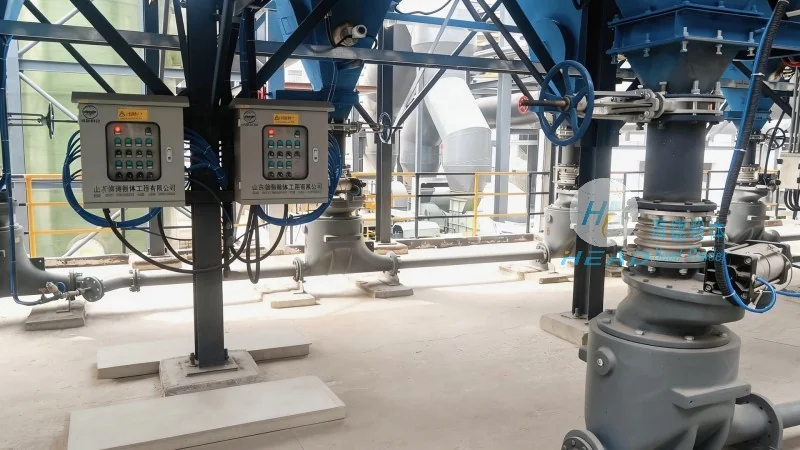
Operation Process of the Malt Pneumatic Conveying System
The operation of the malt pneumatic conveying system follows a systematic sequence. First, malt material is fed into the hopper from a storage silo or batch mixer. The material then flows into the conveying line under the influence of air pressure generated by the compressor. The air, often mixed with the material in a specific ratio (air-to-material ratio), propels the malt through the pipeline. The conveying line may include bends, expansions, or filters to ensure the material is transported without blockages or degradation. Finally, the material is discharged into the receiver, where it is collected for further processing. The entire process is controlled by a programmable logic controller (PLC) or a similar system, which monitors pressure, flow rate, and other parameters to maintain optimal performance.
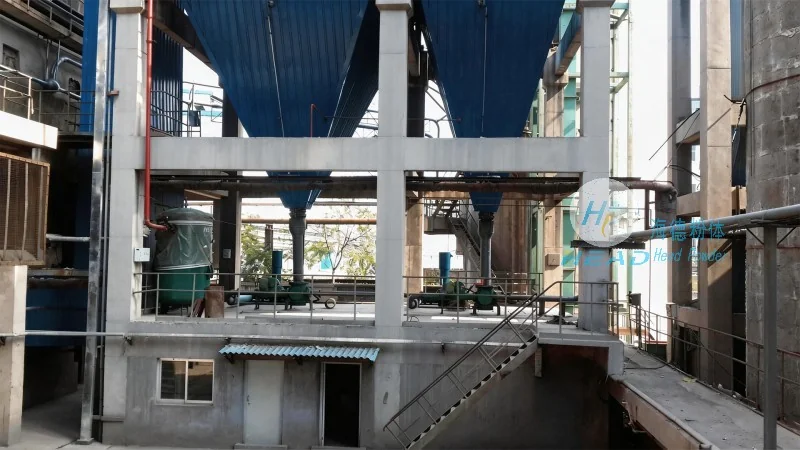
Working Principle of the Pneumatic Conveying System
The working principle of the malt pneumatic conveying system is based on the fundamental concept of fluidization and pneumatic transport. The air compressor supplies high-pressure air into the conveying line, creating a pressure differential that draws the malt material into the system. The air and material mixture travels through the pipeline, with the air providing the necessary kinetic energy to move the material. The system can operate in either positive pressure or negative pressure modes, depending on the application and material characteristics. Positive pressure systems are commonly used for long-distance or high-rise transport, as they maintain a higher pressure throughout the line, reducing the risk of material settling or blockages. Negative pressure systems, on the other hand, are suitable for short-distance or low-rise transport, as they create a vacuum that pulls the material into the line. The choice of system type depends on factors such as the distance between the hopper and receiver, the height difference, and the material's flow properties.
Advantages of Malt Pneumatic Conveying Systems
Compared to traditional mechanical conveying methods, such as belt conveyors or screw conveyors, pneumatic conveying systems offer several advantages for malt material handling. These include: 1) Reduced material degradation: The system minimizes physical contact between the malt and equipment, preventing breakage or damage to the grain. 2) Improved hygiene: The enclosed pipeline design prevents contamination from dust, insects, or other external factors, ensuring the material remains clean and safe for consumption. 3) Flexibility in layout: The system can be easily reconfigured to accommodate changes in production processes or facility layouts, as the conveying line can be installed in various directions and heights. 4) Lower maintenance costs: With fewer moving parts compared to mechanical systems, pneumatic conveying systems require less frequent maintenance and have longer service lives. 5) Energy efficiency: Modern air compressors and system designs optimize energy consumption, reducing operational costs over time.
Conclusion
Shandong HeadPowder Engineering Co., Ltd. provides comprehensive solutions for malt pneumatic conveying systems, combining advanced technology with practical application expertise. By understanding the operation process and working principles of these systems, users can effectively manage malt material transport, ensuring efficiency, safety, and product quality. The company's commitment to innovation and customer satisfaction makes it a trusted partner in the malt industry, delivering reliable and efficient conveying solutions that meet the evolving needs of modern production.