

Operation Process and Working Principle of Pneumatic Conveying Systems for Synthetic Fiber Materials
HeadPowder Engineering, a leading provider of industrial material handling solutions, specializes in the design, manufacturing, and installation of pneumatic conveying systems tailored for synthetic fiber materials. This article delves into the operational process and underlying principles of such systems, highlighting their efficiency, versatility, and application in various industrial settings.
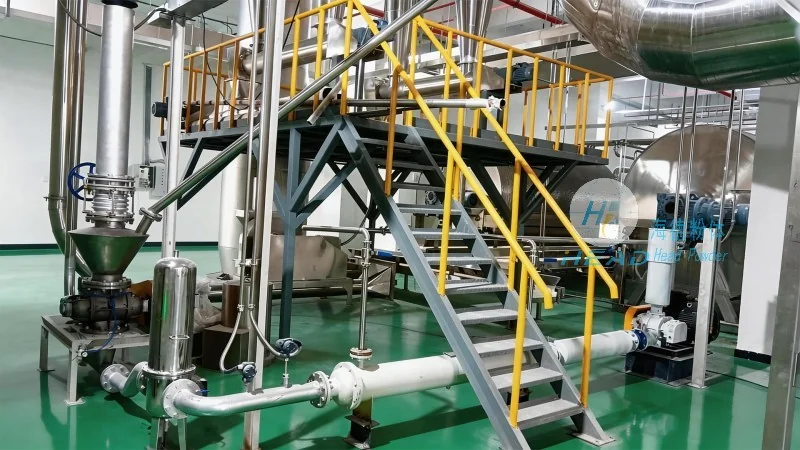
Overview of Pneumatic Conveying Systems for Synthetic Fiber Materials
Pneumatic conveying systems are widely utilized in the processing and transportation of synthetic fibers due to their ability to handle fine, dusty, or abrasive materials with minimal wear and maintenance. These systems use compressed air or other gases to transport materials through a network of pipes, ensuring a clean, dust-free operation that is critical in industries such as textiles, plastics, and chemical manufacturing. The core components of a typical synthetic fiber pneumatic conveying system include a material hopper, a feeder, a conveying line, a receiver, and a control unit, each playing a crucial role in the overall process.
Key Components and Their Functions
The material hopper serves as the storage container for the synthetic fiber material, ensuring a consistent feed to the system. It is designed with a sloped bottom to facilitate smooth material flow into the feeder. The feeder, often a rotary valve or a screw feeder, regulates the flow rate of the material into the conveying line, preventing overloading and maintaining system stability. The conveying line, made of materials resistant to abrasion and corrosion (such as stainless steel or special polymers), transports the material using the pressure of the compressed air. The receiver, typically a storage tank or a processing unit, collects the conveyed material at the end of the line. The control unit monitors and adjusts the system parameters, such as air pressure and flow rate, to optimize performance and ensure safe operation.

Operation Process of Synthetic Fiber Pneumatic Conveying Systems
The operation of a synthetic fiber pneumatic conveying system begins with the loading of the material into the hopper. The feeder then starts to discharge the material at a controlled rate into the conveying line. Simultaneously, the control unit activates the compressed air system, which generates the necessary pressure to move the material through the pipes. As the material is carried by the air stream, it travels through the conveying line and is deposited into the receiver. The system continues to operate until the material in the hopper is depleted or the desired quantity has been conveyed. The entire process is automated, with the control unit adjusting the air flow and material feed to maintain a stable and efficient operation.
Working Principle of Pneumatic Conveying Systems
The fundamental principle behind pneumatic conveying is the use of air to create a flow of material within a closed system. There are two main types of pneumatic conveying systems: pressure and vacuum. In pressure systems, the conveying line is under positive pressure, with the air and material moving from the hopper to the receiver. In vacuum systems, the receiver is under negative pressure, drawing the material and air from the hopper into the line. For synthetic fiber materials, pressure systems are more commonly used due to their ability to handle higher material loads and longer conveying distances. The air velocity within the line is carefully controlled to ensure that the material is transported without causing excessive wear or degradation. The system's efficiency is determined by factors such as air pressure, flow rate, material characteristics, and the length and diameter of the conveying line.
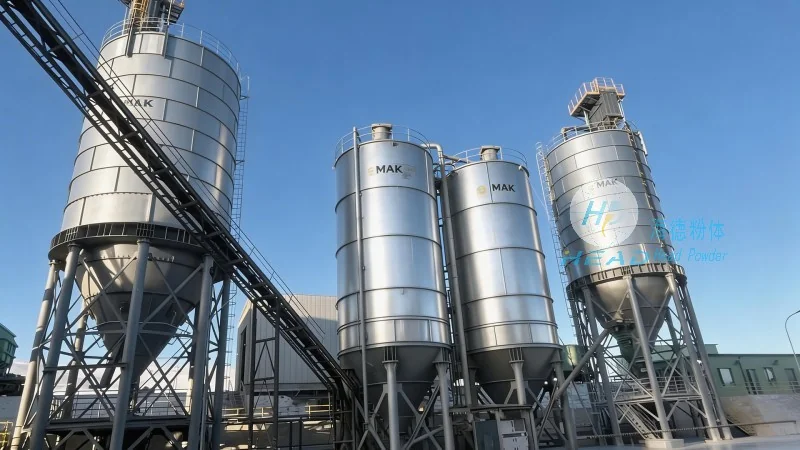
Advantages of Synthetic Fiber Pneumatic Conveying Systems
Pneumatic conveying systems for synthetic fibers offer several advantages over traditional mechanical conveying methods. These include: 1) Reduced Downtime and Maintenance: The absence of moving parts in the conveying line minimizes wear and tear, leading to lower maintenance costs and longer system life. 2) Clean and Dust-Free Operation: The enclosed system prevents dust and particles from escaping into the environment, ensuring a safe and compliant operation in industrial settings. 3) Flexibility and Versatility: The system can be easily reconfigured or expanded to accommodate changes in material volume or processing requirements. 4) Energy Efficiency: Modern systems are designed to use minimal air pressure and flow rates, reducing energy consumption and operational costs. 5) Improved Material Quality: The gentle handling of synthetic fibers prevents breakage or degradation, maintaining the integrity of the material for downstream processing.
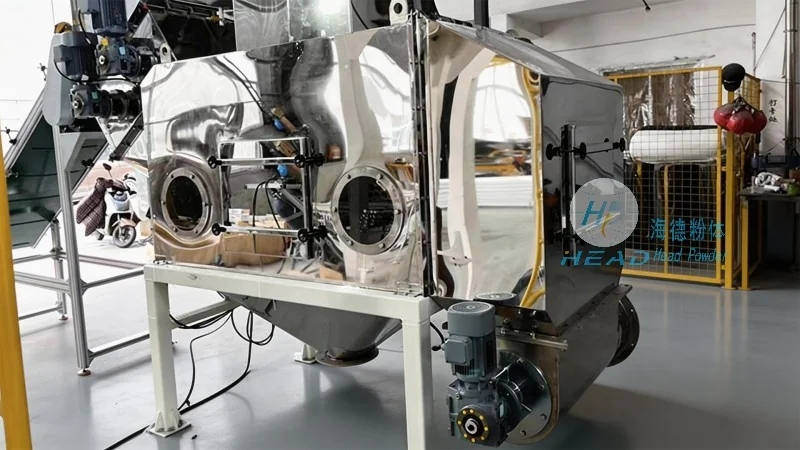
Applications in Industrial Settings
Synthetic fiber pneumatic conveying systems are widely used in various industries, including: 1) Textile Manufacturing: Transporting raw synthetic fibers from storage to spinning machines or processing lines. 2) Plastic and Polymer Processing: Conveying plastic pellets or fibers from storage to extrusion or molding equipment. 3) Chemical Manufacturing: Handling fine chemical powders or fibers in research and production facilities. 4) Pharmaceutical and Food Processing: Transporting synthetic fibers used in packaging or filtration applications, ensuring compliance with hygiene and safety standards.
Conclusion
HeadPowder Engineering's expertise in designing and implementing pneumatic conveying systems for synthetic fiber materials ensures reliable and efficient material handling solutions for industrial clients. By understanding the operational process and working principles of these systems, businesses can optimize their material transport processes, reduce costs, and enhance overall productivity. With a focus on quality, innovation, and customer satisfaction, HeadPowder Engineering continues to provide cutting-edge solutions that meet the evolving needs of the industrial sector.