

Operation Process and Working Principle of PTFE Material Pneumatic Conveying System
PTFE material pneumatic conveying systems are sophisticated industrial solutions designed to efficiently transport polytetrafluoroethylene (PTFE) powders and granules through a pressurized air or gas stream. These systems are widely used in various industries, including chemical processing, pharmaceuticals, and manufacturing, where handling PTFE materials requires precision, cleanliness, and reliability. The operation process and working principle of such systems involve several key components and steps that ensure safe and effective material transfer.
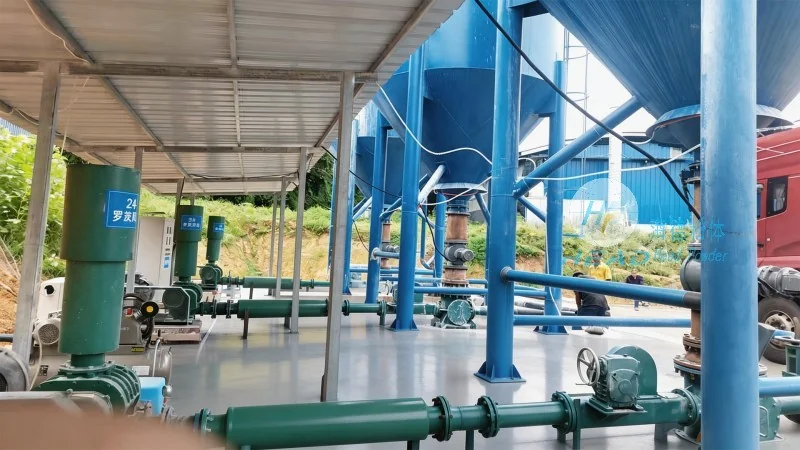
System Overview and Key Components
A typical PTFE material pneumatic conveying system consists of several essential components that work in tandem to achieve the desired material transport. These components include a hopper or storage bin for the PTFE material, a conveyor line (often a flexible hose or rigid pipe), a blower or air compressor to generate the necessary airflow, a control system to regulate pressure and flow, and a discharge unit where the material is deposited. The system is engineered to handle the unique properties of PTFE, such as its low friction coefficient, chemical inertness, and potential for static charge accumulation, ensuring that the material is conveyed without degradation or contamination.
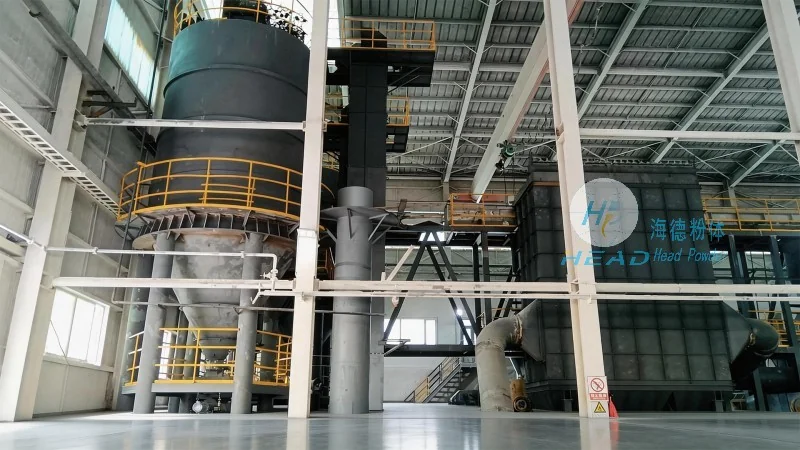
Operation Process: Step-by-Step Execution
The operation of a PTFE material pneumatic conveying system follows a systematic sequence of steps to ensure smooth and continuous material transfer. The process begins with the loading of PTFE material into the hopper or storage bin. The material is then drawn into the conveyor line by the airflow generated by the blower. As the material moves through the system, it is suspended in the air stream and transported to the discharge point. The control system plays a critical role in maintaining consistent pressure and flow rates, which are essential for preventing material blockages and ensuring uniform delivery. The discharge unit, which may be a rotary valve or a venturi system, regulates the release of the PTFE material into the target container or processing equipment. Throughout the operation, the system monitors parameters like pressure, flow rate, and material level to optimize performance and prevent operational issues.
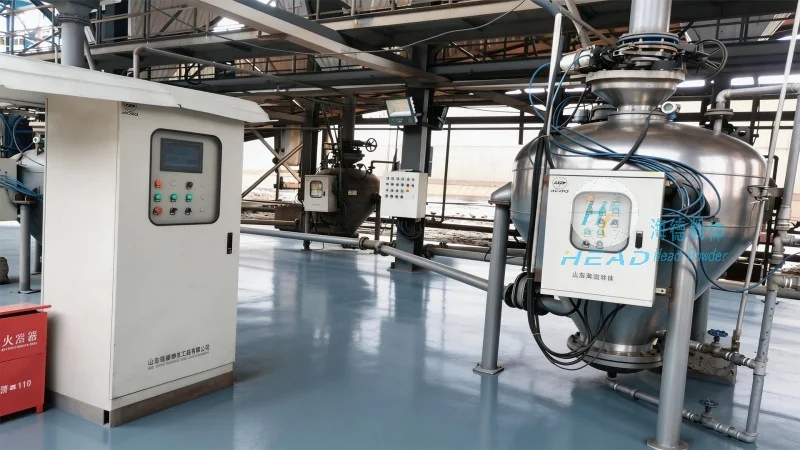
Working Principle: The Physics Behind Pneumatic Conveying
The working principle of a PTFE material pneumatic conveying system is based on the fundamental physics of fluid dynamics and particle transport. The system relies on the principle of pneumatic transport, where the PTFE particles are entrained in a high-velocity air or gas stream. The airflow creates a drag force on the particles, allowing them to be carried through the conveyor line. The velocity of the air stream must be sufficient to overcome the gravitational force acting on the particles and any frictional resistance within the system. The system's design, including the size and shape of the conveyor line, the angle of inclination, and the type of blower, is optimized to achieve the desired velocity and pressure conditions. The use of positive pressure systems (where air is blown into the system) is common for PTFE material conveying, as it provides better control over the material flow and reduces the risk of dust emissions compared to negative pressure systems.
Advantages of PTFE Material Pneumatic Conveying Systems
PTFE material pneumatic conveying systems offer several advantages over traditional mechanical conveying methods. These include high material handling capacity, the ability to transport PTFE materials over long distances without degradation, and the elimination of mechanical parts that could cause contamination or wear. The systems are also designed to minimize dust generation, which is crucial for maintaining a clean and safe working environment, especially in industries where PTFE is used in sensitive applications. Additionally, the flexibility of pneumatic conveying allows for easy integration with existing processing lines and the ability to adapt to varying material flow rates. The systems are also energy-efficient, as they use compressed air or gas to transport the material, reducing the need for mechanical components that consume more energy.

Company Profile: Shandong HeadPowder Engineering Co., Ltd.
Shandong HeadPowder Engineering Co., Ltd., operating under the brand name headpowder, is a leading manufacturer and supplier of industrial conveying systems, including PTFE material pneumatic conveying solutions. The company is headquartered in Shandong, China, and has established itself as a trusted partner for businesses seeking reliable and efficient material handling solutions. With years of experience in the industry, headpowder specializes in designing and manufacturing customized pneumatic conveying systems tailored to the specific needs of its clients. The company's commitment to quality, innovation, and customer satisfaction has earned it a reputation for excellence in the market. Headpowder's PTFE material pneumatic conveying systems are engineered to meet the highest standards of performance and safety, ensuring that clients receive products that are durable, efficient, and compliant with industry regulations.