

Operation Process and Working Principle of Pneumatic Conveying Equipment for Foam Plastic Materials
HeadPowder, a leading manufacturer based in Shandong, China, specializes in the design and production of advanced pneumatic conveying equipment tailored for handling foam plastic materials. This article provides a detailed overview of the operation process and working principle of such systems, highlighting the technical aspects and practical applications that make them efficient for material transport in industrial settings.
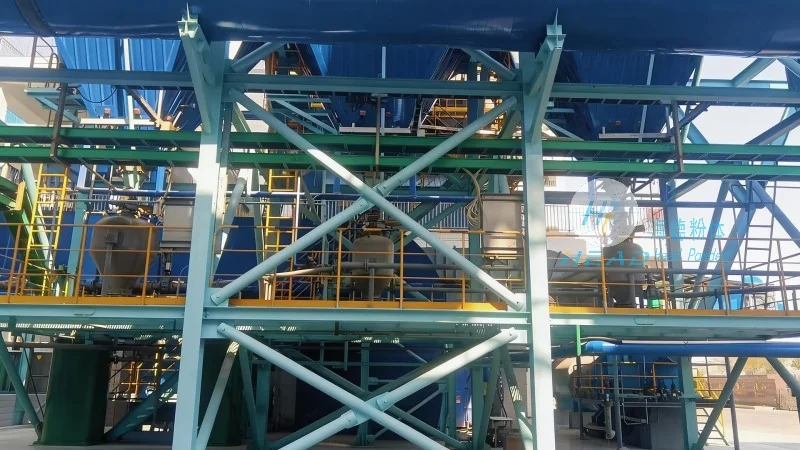
Overview of Pneumatic Conveying Systems for Foam Plastic Materials
Pneumatic conveying equipment is a critical solution for transporting lightweight and irregularly shaped materials like foam plastics. Unlike traditional mechanical systems, these systems utilize air pressure to move materials through a pipeline network. The technology is widely adopted in industries such as packaging, manufacturing, and recycling due to its ability to handle delicate materials without causing damage or degradation.
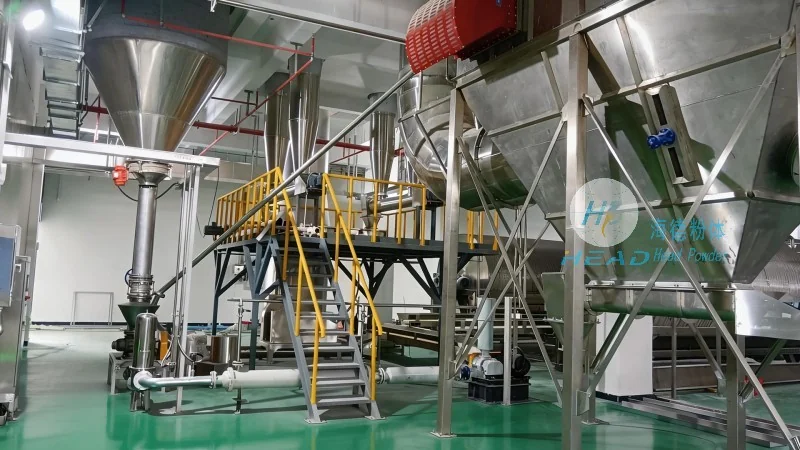
Working Principle of the Equipment
The core working principle of pneumatic conveying equipment involves the creation of a pressure differential within a closed system. Air is introduced into the system, typically using a blower or compressor, which generates the necessary force to move the foam plastic particles. The material is then fed into the system via a hopper or feeder, and the air flow carries the particles through the pipeline to the discharge point. The system can operate under either positive pressure (where air pushes the material) or negative pressure (where air pulls the material), depending on the specific design and application requirements.
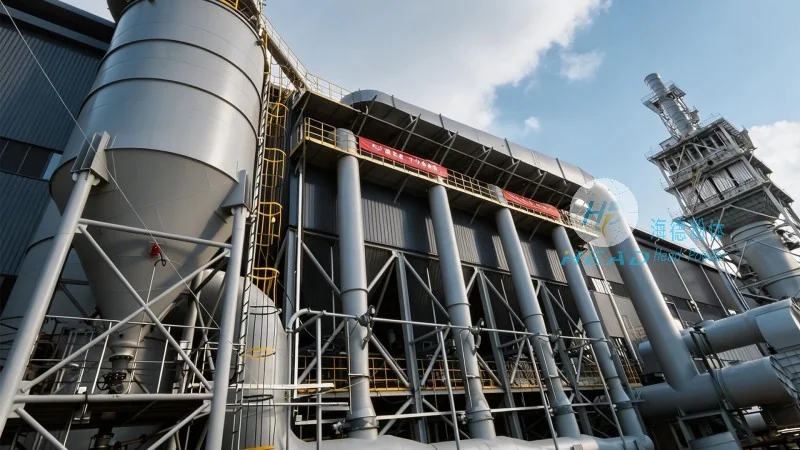
Operation Process and Key Components
The operation process of a pneumatic conveying system for foam plastics typically involves several key steps and components. First, the foam plastic material is loaded into a hopper or storage bin. A feeder, such as a rotary valve or screw feeder, then regulates the flow of material into the conveying line. The blower or compressor supplies the air pressure, which is controlled by a pressure regulator to maintain optimal flow rates. The material is then conveyed through the pipeline, which may include bends, elbows, or expansion joints to accommodate the material's path. At the discharge end, a receiver or silo collects the material, and a dust collector may be integrated to manage any airborne particles, ensuring a clean and efficient operation.
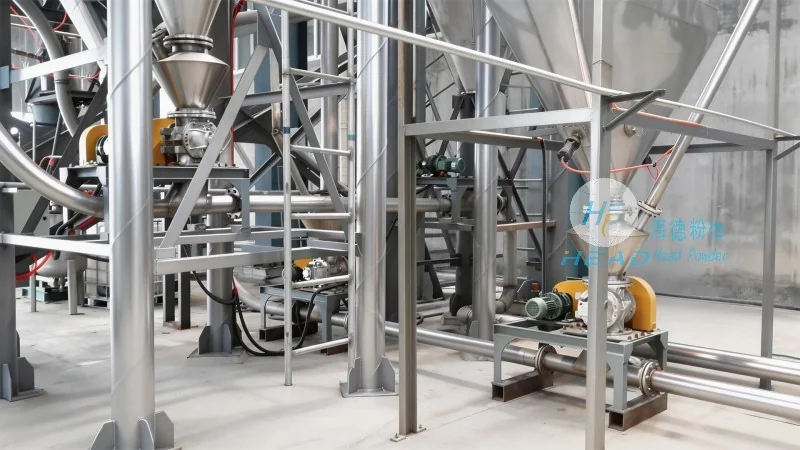
Advantages and Applications in Handling Foam Plastic Materials
Using pneumatic conveying equipment for foam plastic materials offers several advantages over traditional methods. These include reduced material handling time, improved safety by minimizing manual handling, and the ability to transport materials over long distances without the need for additional machinery. The systems are particularly suitable for applications involving the transport of expanded polystyrene (EPS), polyurethane (PU) foams, and other lightweight foam products. Industries that benefit from this technology include foam manufacturing plants, packaging facilities, and recycling centers, where efficient and gentle material transport is essential to maintain product quality and operational efficiency.