

Operation Process and Working Principle of a Zinc Oxide Powder Material Pneumatic Conveying Equipmen
For industrial applications involving the handling of zinc oxide powder, efficient and reliable material transport is crucial. A pneumatic conveying system designed specifically for zinc oxide powder offers a solution that minimizes dust generation, ensures product integrity, and enhances operational safety. This article provides an in-depth look at the operation process and working principle of such a system, highlighting the key components and the step-by-step procedures involved in its operation. Developed by Shandong HeadPowder Engineering Co., Ltd. (headpowder), this equipment is engineered to meet the stringent requirements of zinc oxide powder handling in various industrial settings.
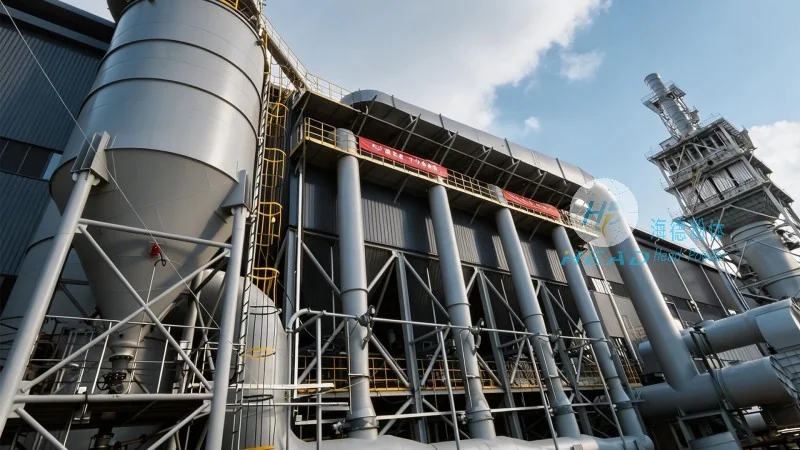
Key Components of the Pneumatic Conveying Equipment
The pneumatic conveying system for zinc oxide powder typically consists of several essential components that work in tandem to achieve effective material transport. These components include a hopper for material storage, a rotary valve or feeder to control the flow of powder, a conveying pipeline, a venturi or eductor for creating the airflow, a filter or cyclone to separate the powder from the air, and a dust collector or baghouse to capture any residual particles. Each component plays a critical role in maintaining the system's efficiency and ensuring the quality of the conveyed material.
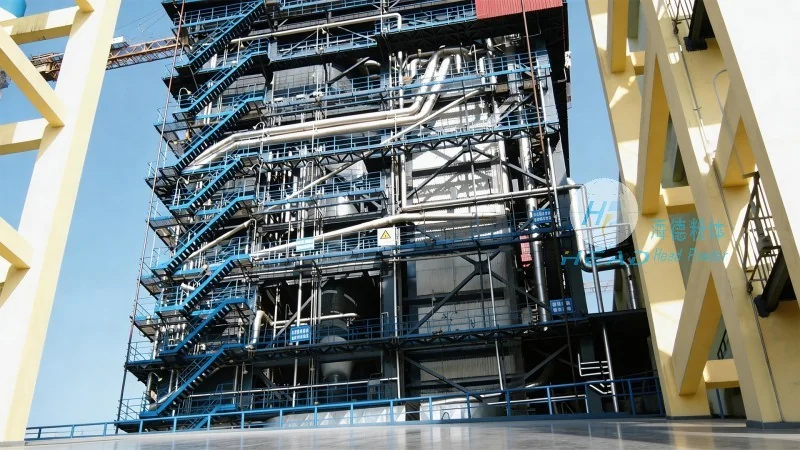
Working Principle of the Pneumatic Conveying System
The core of the pneumatic conveying process relies on the creation of a pressure differential between the conveying line and the ambient environment. In a typical system, compressed air is introduced into the conveying line, often through a venturi or eductor, which draws the zinc oxide powder from the hopper into the pipeline. The air flow carries the powder particles through the system, transporting them to the discharge point. The filter or cyclone then separates the powder from the air, allowing the clean air to be discharged while the powder is collected for further use. This principle of using air as the conveying medium ensures that the zinc oxide powder is transported without direct contact with mechanical parts, reducing the risk of contamination and degradation.
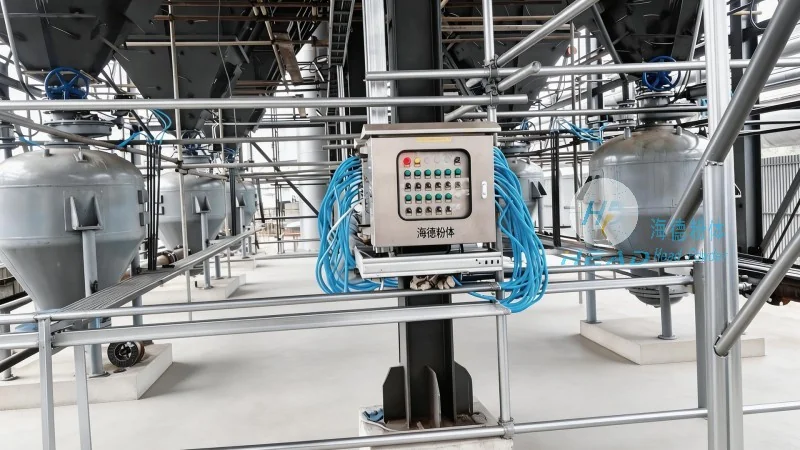
Operation Process: Step-by-Step Guide
The operation of the zinc oxide powder pneumatic conveying system follows a systematic sequence of steps to ensure smooth and consistent material transport. The process begins with the loading of the hopper with zinc oxide powder. The rotary valve or feeder then regulates the flow of powder into the conveying line, controlling the rate of material discharge. Compressed air is then activated, creating the necessary airflow to draw the powder particles into the pipeline. As the powder is carried through the system, it passes through any necessary processing steps, such as cooling or mixing, before reaching the discharge point. The filter or cyclone separates the powder from the air, and the collected powder is transferred to the next stage of the production process. The system continues to operate in a continuous cycle, maintaining a steady flow of zinc oxide powder until the hopper is emptied or the system is shut down for maintenance.
Advantages of Using Pneumatic Conveying for Zinc Oxide Powder
Employing a pneumatic conveying system for zinc oxide powder offers several advantages over traditional mechanical conveying methods. First, it significantly reduces dust generation, which is critical for maintaining a clean and safe working environment, especially in applications where powder handling is involved. Second, the system minimizes product contamination by avoiding direct contact with metal or other materials that could introduce impurities. Third, pneumatic conveying allows for the transport of materials over longer distances and at higher speeds, improving overall production efficiency. Additionally, the system is easy to integrate into existing production lines and can be customized to meet specific operational requirements, such as varying flow rates or material characteristics.
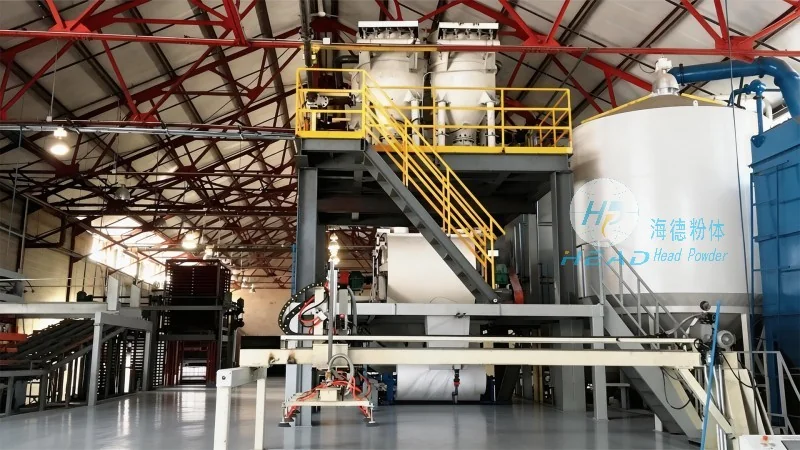
Maintenance and Operational Considerations
To ensure the long-term performance and reliability of the pneumatic conveying system, regular maintenance and proper operational considerations are essential. The hopper and feeder should be inspected regularly to prevent blockages or material buildup, which can affect the flow rate and system efficiency. The filter or cyclone should be cleaned or replaced as needed to maintain optimal performance and prevent dust accumulation. Compressed air quality should also be monitored to ensure it meets the system's requirements, as poor air quality can lead to increased wear on components and reduced conveying efficiency. Additionally, operators should follow the manufacturer's guidelines for start-up, shutdown, and emergency procedures to prevent damage to the equipment and ensure personnel safety.