

Operation Process and Working Principle of Monocrystalline Silicon Material Pneumatic Conveying Line
HeadPowder, a leading engineering company based in Shandong, China, specializes in the design, manufacturing, and installation of advanced pneumatic conveying systems for the semiconductor and solar industries. The monocrystalline silicon material pneumatic conveying line is a critical component in the production process of high-purity silicon wafers, which are essential for solar panels and microelectronics. This system efficiently transports raw monocrystalline silicon from storage to processing units, ensuring minimal contamination and maintaining product integrity throughout the operation.
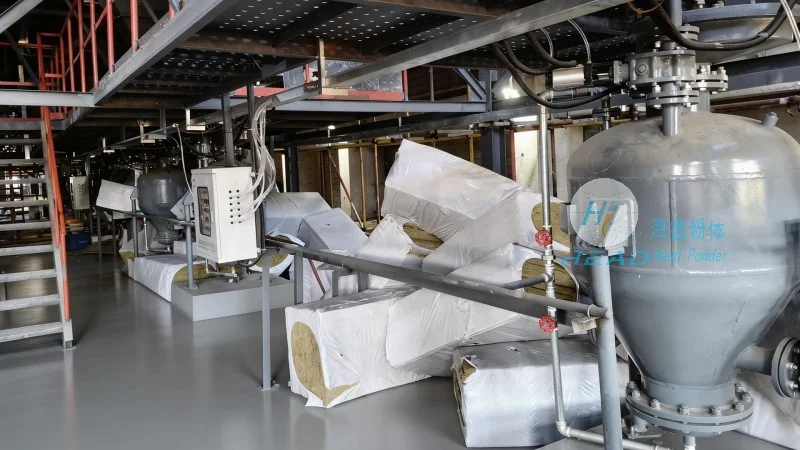
Components and Structure of the Pneumatic Conveying Line
The monocrystalline silicon material pneumatic conveying line typically consists of several key components, including a hopper for material storage, a rotary valve for controlled discharge, a pipeline system with appropriate diameter and material, a pressure vessel or receiver for material collection, and a dust collection system. The entire system is engineered to handle the unique properties of monocrystalline silicon, such as its high purity, low moisture content, and sensitivity to contamination. The pipeline is often made of stainless steel or other corrosion-resistant materials to prevent material degradation and ensure long-term durability. The rotary valve is designed to regulate the flow of silicon material, preventing backflow and maintaining consistent pressure within the system.
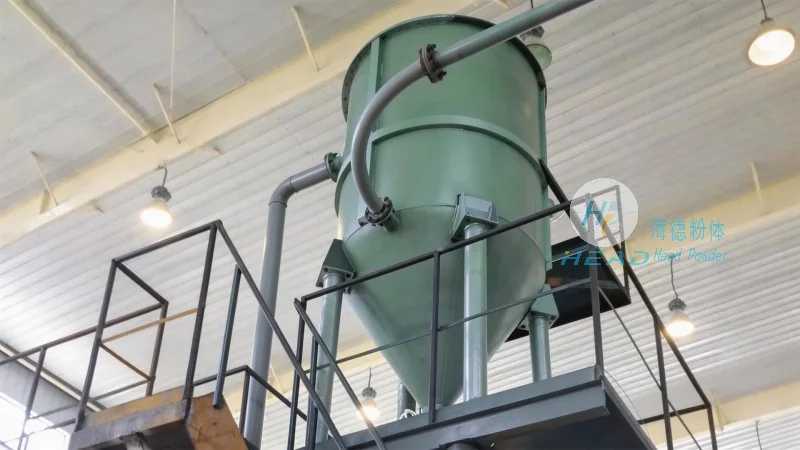
Working Principle of the Pneumatic Conveying Process
The operation of the monocrystalline silicon material pneumatic conveying line is based on the principle of pneumatic transport, where material is moved through a pipeline using a gas stream, typically air or nitrogen. The process begins with the material being discharged from the hopper into the pipeline via the rotary valve. The gas, introduced at a controlled pressure and velocity, creates a flow that lifts and transports the silicon particles through the system. The pressure vessel or receiver at the end of the pipeline collects the material, allowing for further processing or storage. The dust collection system is integrated to capture any fine particles that may be generated during the transport, ensuring environmental compliance and maintaining air quality. The entire system operates under a closed-loop or semi-closed-loop configuration, minimizing exposure to external contaminants and maintaining the high purity of the monocrystalline silicon.
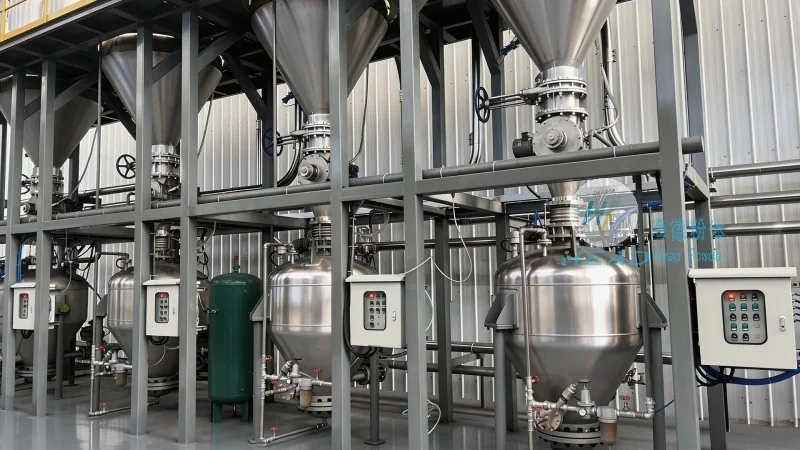
Operation Process and Key Steps
The operation of the monocrystalline silicon material pneumatic conveying line involves several sequential steps to ensure efficient and safe material transport. First, the hopper is filled with raw monocrystalline silicon material, which is then sealed to prevent contamination. The rotary valve is activated to control the flow rate of the material into the pipeline. The gas compressor or blower is started, generating the necessary pressure and airflow to initiate the conveying process. As the gas flows through the pipeline, it creates a positive pressure that lifts the silicon particles and propels them towards the receiver. The material is then collected in the pressure vessel, where it is stored until it is ready for the next stage of processing. The system continuously monitors pressure, flow rate, and temperature to ensure optimal performance and detect any anomalies that may affect the transport efficiency. Regular maintenance, such as cleaning the pipeline and checking the condition of the rotary valve, is performed to maintain the system's reliability and extend its operational lifespan.
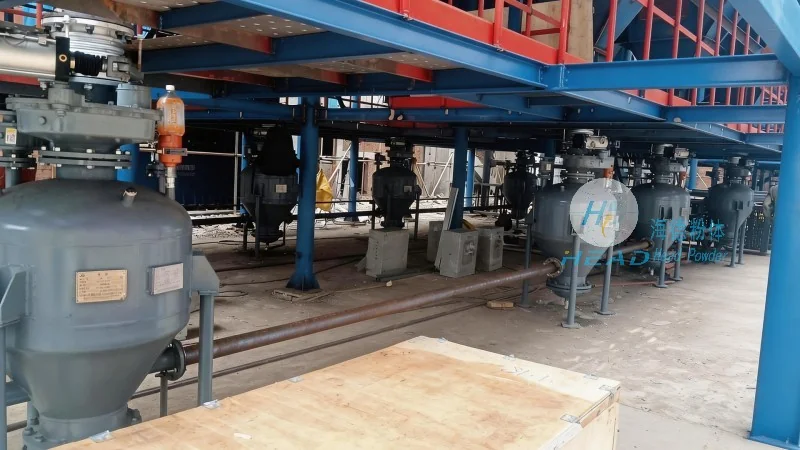
Advantages and Applications
The monocrystalline silicon material pneumatic conveying line offers several advantages over traditional bulk material handling methods, such as belt conveyors or bucket elevators. These advantages include high efficiency in material transport, minimal product degradation due to reduced handling, and the ability to handle materials with high purity requirements. The system is particularly suitable for applications in the solar industry, where monocrystalline silicon wafers are produced, and in the semiconductor industry, where high-purity silicon is used in the manufacturing of integrated circuits. The closed-loop design of the system also reduces the risk of dust exposure and environmental pollution, making it a more sustainable and environmentally friendly solution. Additionally, the system's flexibility allows for easy integration with existing production lines, enabling manufacturers to upgrade their material handling capabilities without significant disruptions to their operations.