

Operation Process and Working Principle of Biomass Pellet Material Pneumatic Conveying Lines
HeadPowder, a leading provider of industrial conveying solutions, specializes in the design and implementation of advanced pneumatic conveying systems for biomass pellet materials. With a focus on efficiency, reliability, and sustainability, our systems are engineered to meet the demanding requirements of modern biomass processing facilities. This article provides a detailed overview of the operation process and working principles of biomass pellet material pneumatic conveying lines, highlighting the key components, operational steps, and technical aspects that ensure optimal performance.
Company Profile and Expertise
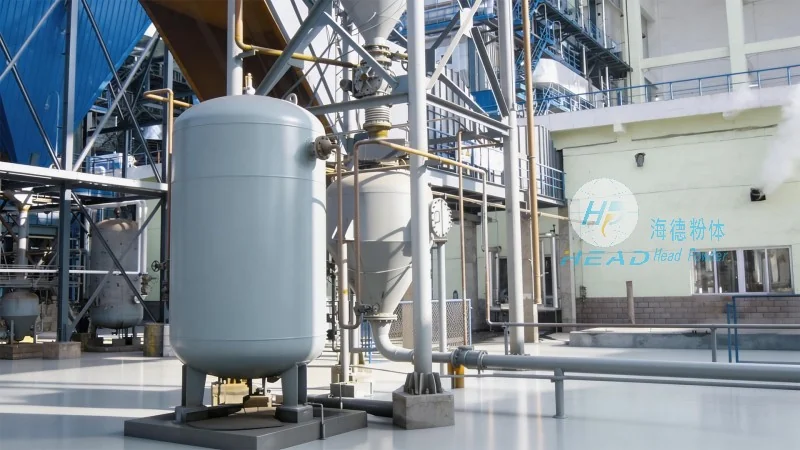
Shandong HeadPowder Engineering Co., Ltd., commonly known as HeadPowder, is a reputable company based in Shandong, China. With years of experience in the field of material handling and processing, HeadPowder has established itself as a trusted partner for industries requiring efficient and reliable conveying solutions. Our team of experts combines technical knowledge with practical experience to deliver customized pneumatic conveying systems tailored to the specific needs of clients, ensuring seamless integration into existing production lines or as standalone solutions for biomass pellet handling.
Understanding Biomass Pellet Pneumatic Conveying
Biomass pellet material pneumatic conveying lines are systems designed to transport biomass pellets from one location to another using a combination of air and mechanical forces. These systems are widely used in biomass processing plants, including those involved in bioenergy production, animal feed manufacturing, and industrial pellet production. The primary goal of such systems is to move biomass pellets efficiently, with minimal loss, and without the need for mechanical components that might cause wear or contamination. Pneumatic conveying offers several advantages over traditional methods, such as reduced maintenance, lower energy consumption, and the ability to handle materials with varying properties.
Key Components of Pneumatic Conveying Systems
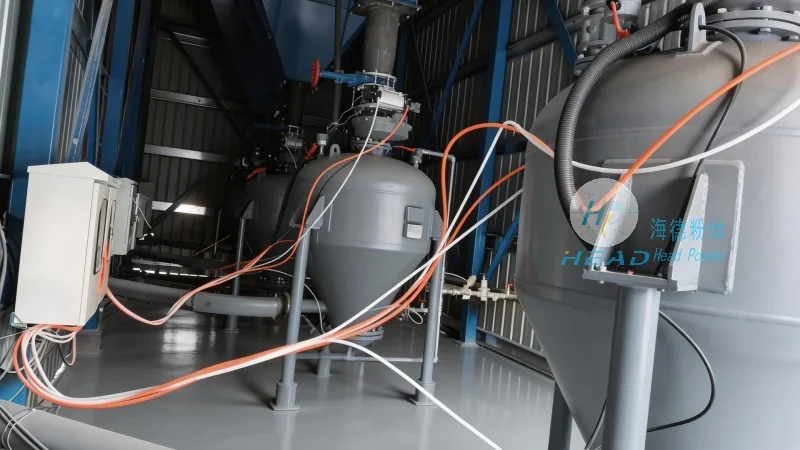
The operation of a biomass pellet pneumatic conveying line relies on several critical components that work in tandem to ensure smooth material transport. These components include the hopper or feeder, which stores and feeds the biomass pellets into the system; the air compressor or blower, which generates the necessary air pressure to move the material; the pipeline system, which transports the pellets and air mixture; and the receiver or discharge unit, where the material is collected. Additionally, other components such as filters, cyclones, and control valves may be included to optimize performance and maintain system integrity.
Working Principle of Pneumatic Conveying
The working principle of a biomass pellet pneumatic conveying line is based on the principle of fluidization and suspension of the material particles within a flowing air stream. When the air compressor provides a sufficient airflow and pressure, the biomass pellets are lifted and carried through the pipeline. The velocity of the air must be maintained at a level that keeps the pellets suspended, preventing them from settling or clogging the system. The system typically operates in either positive pressure or negative pressure mode, depending on the application and material characteristics. Positive pressure systems use compressed air to push the material forward, while negative pressure systems use suction to draw the material into the pipeline.
Operation Process of Biomass Pellet Pneumatic Conveying Lines
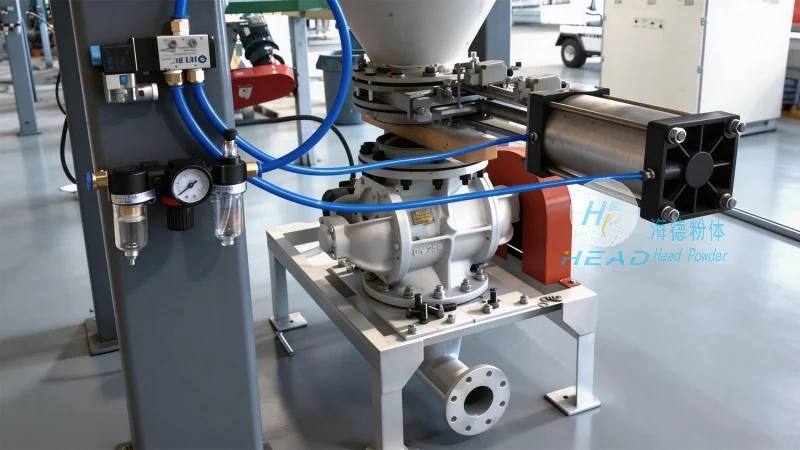
The operation process of a biomass pellet pneumatic conveying line involves several sequential steps that ensure the smooth and continuous transport of material. The process begins with the loading of biomass pellets into the hopper or feeder. The feeder then regulates the flow of pellets into the system, ensuring a consistent feed rate. The air compressor then starts, generating the required airflow and pressure. As the pellets enter the pipeline, they are mixed with the air and carried to the discharge point. The receiver or discharge unit collects the pellets, and the system continues to operate until the material is fully transferred. Control systems are integrated into the process to monitor parameters such as pressure, flow rate, and material level, allowing for real-time adjustments to maintain optimal performance.
Advantages and Applications
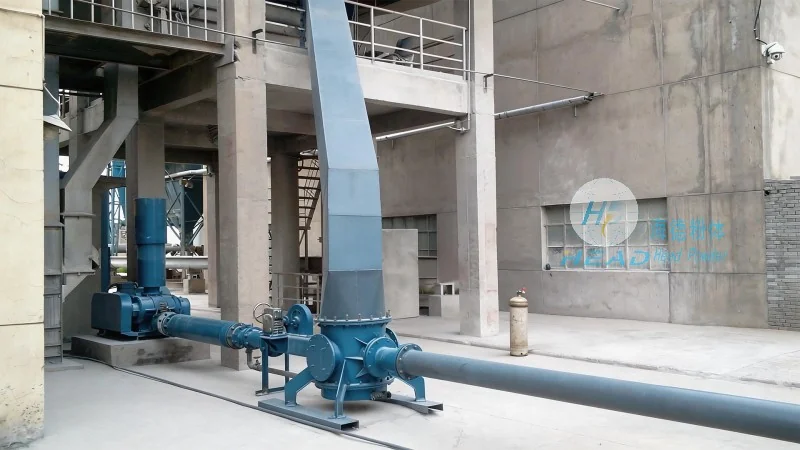
Biomass pellet material pneumatic conveying lines offer numerous advantages over traditional conveying methods. These include reduced labor costs due to automated operation, lower maintenance requirements as there are fewer mechanical parts, and improved material handling efficiency. The systems are particularly suitable for applications involving long-distance transport, high-volume material handling, and environments where dust control is critical. Industries that benefit from these systems include bioenergy plants, where biomass pellets are transported to boilers for combustion; animal feed manufacturers, where pellets are moved to storage or processing units; and industrial pellet producers, where pellets are transferred between production stages.
Conclusion
In conclusion, biomass pellet material pneumatic conveying lines are sophisticated systems that leverage the principles of fluid dynamics to efficiently transport biomass pellets. With proper design, installation, and operation, these systems provide reliable and sustainable solutions for industries relying on biomass as a renewable energy source or raw material. HeadPowder, with its expertise and commitment to quality, continues to provide advanced pneumatic conveying solutions that meet the evolving needs of the biomass processing industry.