

Operation Process and Working Principle of Pneumatic Conveying Line for Synthetic Fiber Materials
HeadPowder, a leading engineering firm based in Shandong, China, specializes in the design, manufacturing, and installation of advanced pneumatic conveying systems tailored for synthetic fiber materials. This article delves into the operational process and underlying principles of such systems, providing a comprehensive overview for industry professionals and potential clients.
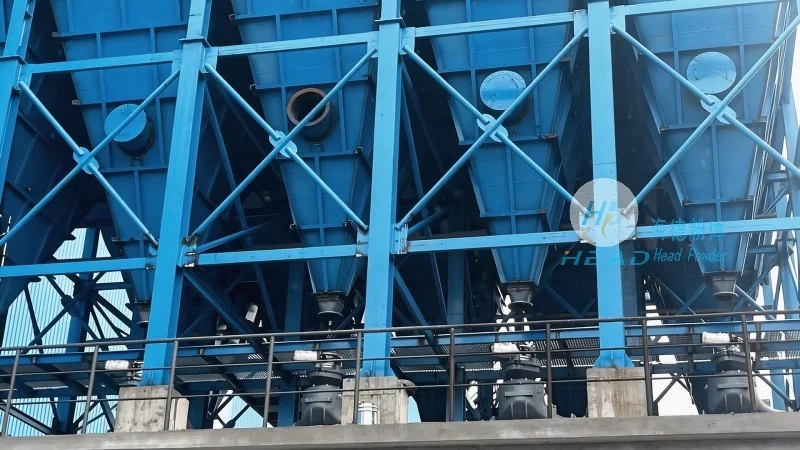
Overview of Pneumatic Conveying Systems for Synthetic Fibers
Pneumatic conveying lines are essential for efficiently transporting synthetic fiber materials, which often present unique challenges due to their lightweight, fine particle size, and tendency to agglomerate. Traditional methods like belt conveyors or bucket elevators may struggle with these characteristics, leading to material loss, clogging, or degradation. Pneumatic systems, on the other hand, utilize air pressure to move materials through a sealed pipeline, offering a clean, low-maintenance solution that preserves material integrity.
Key Components of a Synthetic Fiber Pneumatic Conveying Line
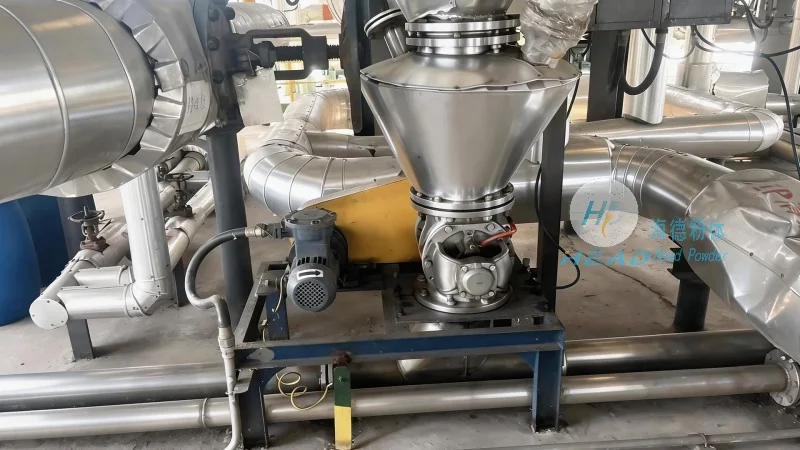
The core components of a pneumatic conveying system for synthetic fibers include the material feed hopper, air compressor, conveying pipeline, control valves, and discharge unit. Each component plays a critical role in ensuring smooth and efficient material transport. The feed hopper is designed to store and meter the synthetic fibers, preventing overloading and maintaining consistent flow rates. The air compressor generates the necessary pressure to move the material through the pipeline, with options ranging from positive displacement to centrifugal models depending on the system's requirements. The conveying pipeline is typically made of stainless steel or other corrosion-resistant materials to handle the abrasive nature of synthetic fibers and prevent contamination. Control valves, such as rotary airlocks and check valves, regulate the flow of air and material, ensuring proper sealing and preventing backflow. The discharge unit, often a rotary valve or a venturi, releases the material at the destination point, completing the conveying process.

Working Principle of Pneumatic Conveying for Synthetic Fibers
The fundamental principle of pneumatic conveying is the use of air to create a flow that carries the synthetic fiber particles. There are two primary modes of operation: dilute phase and dense phase. Dilute phase conveying uses low air velocities (typically 20-30 m/s) to transport materials in a dispersed state, making it suitable for short to medium distances and low to medium material loads. Dense phase conveying, on the other hand, employs higher air velocities (30-50 m/s) and lower air-to-material ratios to move materials in a slurry-like state, which is ideal for longer distances and higher material loads, as it reduces particle degradation and clogging. The system operates by drawing material from the feed hopper into the pipeline using the air flow generated by the compressor. The material is then carried through the pipeline to the discharge point, where it is released under controlled conditions. The entire process is monitored and controlled by a system of sensors and valves to ensure optimal performance and material quality.
Operation Process of a Synthetic Fiber Pneumatic Conveying Line
The operation process of a synthetic fiber pneumatic conveying line involves several sequential steps that ensure efficient and reliable material transport. The first step is the preparation of the system, which includes checking the air compressor, verifying the integrity of the pipeline, and ensuring the feed hopper is properly loaded with synthetic fibers. Once the system is ready, the air compressor is activated, generating the necessary pressure to initiate material transport. The material is then fed from the hopper into the pipeline, where it is carried by the air flow to the discharge unit. At the destination point, the material is released through the discharge valve, completing the conveying cycle. The system may include a feedback loop to adjust air pressure or flow rate based on real-time conditions, such as changes in material load or pipeline pressure. This dynamic adjustment ensures consistent performance and prevents issues like clogging or material loss.
Advantages and Considerations for Synthetic Fiber Pneumatic Conveying
Pneumatic conveying systems for synthetic fibers offer several advantages over traditional methods, including improved material handling efficiency, reduced labor costs, and enhanced product quality. The sealed pipeline prevents contamination from dust or moisture, which is critical for maintaining the purity of synthetic fibers used in applications like textiles, composites, and filtration. Additionally, the system minimizes material degradation due to reduced friction and impact compared to mechanical conveyors. However, there are considerations to keep in mind, such as the need for proper air filtration to prevent dust accumulation in the compressor and pipeline, and the importance of regular maintenance to ensure optimal performance. HeadPowder's expertise in designing and implementing these systems ensures that clients receive solutions tailored to their specific material handling needs, maximizing efficiency and minimizing downtime.
Conclusion
In conclusion, the operation process and working principle of pneumatic conveying lines for synthetic fiber materials are complex yet efficient systems that address the unique challenges of handling these materials. By understanding the key components, operational modes, and process steps, industry professionals can optimize their material handling operations and improve overall productivity. HeadPowder, with its headquarters in Shandong, China, continues to lead in the development of advanced pneumatic conveying solutions, providing reliable and effective systems for synthetic fiber applications worldwide.