

Operation Process and Working Principle of Dilute Phase Material Pneumatic Conveying Systems
Dilute phase pneumatic conveying systems are a critical component in modern material handling, offering efficient and flexible solutions for transporting powders and bulk materials over various distances. These systems operate by suspending the material in a high-velocity air stream, allowing for smooth and continuous movement from the source to the destination. The technology is widely used across industries such as pharmaceuticals, food processing, chemicals, and mining, where maintaining product integrity and minimizing contamination are paramount.
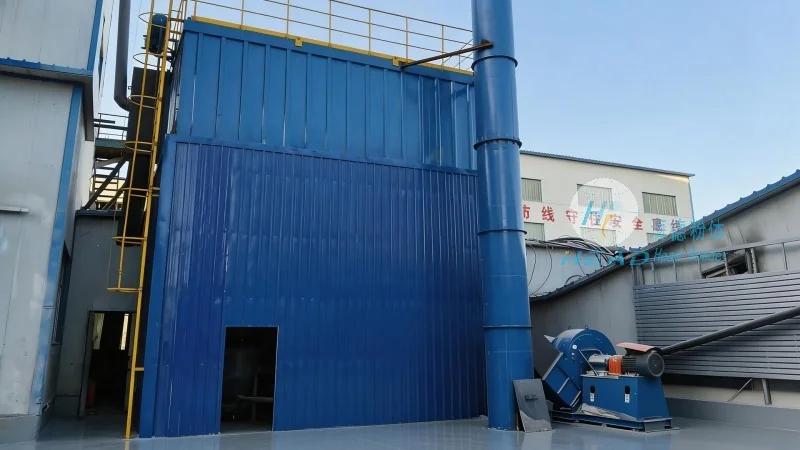
Key Components of a Dilute Phase Pneumatic Conveying System
At the core of a dilute phase system are several essential components that work in tandem to ensure optimal performance. The primary components include a blower or compressor to generate the necessary air pressure, a hopper or feeder to introduce the material into the system, a conveying line (often equipped with bends and straight sections), and a receiver or collection unit to deposit the material at the end of the line. Each component plays a vital role in maintaining the system's efficiency and reliability.
The Operation Process: From Material Intake to Delivery
The operation of a dilute phase pneumatic conveying system follows a systematic process. Initially, the material is fed into the hopper, where it is metered and mixed with the air stream. The blower then generates a high-velocity airflow, which lifts the material particles and suspends them in the air. As the mixture travels through the conveying line, it passes through various sections, including bends and straight runs, which are designed to minimize pressure loss and maintain the material's suspension. The system's control mechanisms ensure consistent air pressure and flow rates, preventing issues such as clogging or material degradation. Upon reaching the destination, the material is deposited into the receiver, where it settles and is collected for further use.
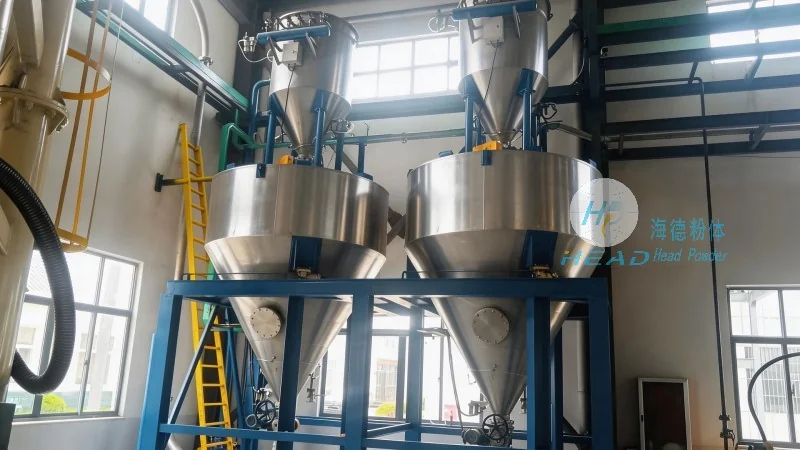
Working Principle: How the System Transfers Material
The working principle of dilute phase pneumatic conveying relies on the principles of fluid dynamics and particle suspension. The system operates by creating a high-velocity air stream that is sufficient to overcome the gravitational forces acting on the material particles. This air stream, typically moving at speeds of 20 to 50 meters per second, suspends the particles in a dilute state, meaning the material is dispersed evenly throughout the air. The key to the system's effectiveness lies in maintaining the right balance between air velocity and material feed rate. If the air velocity is too low, the material may settle and cause blockages; if it is too high, excessive energy consumption and potential material degradation may occur. The system's design, including the size of the conveying line and the number of bends, is carefully optimized to achieve this balance.
Advantages of Dilute Phase Pneumatic Conveying
Dilute phase pneumatic conveying systems offer several advantages over traditional bulk material handling methods. One of the most significant benefits is the ability to transport materials over long distances without the need for intermediate storage or transfer points. This reduces the risk of material degradation and contamination, as the material remains in a suspended state throughout the entire process. Additionally, the system is highly flexible, allowing for changes in material type or destination without major modifications. The technology also enables continuous operation, which increases overall productivity and reduces labor costs. Furthermore, dilute phase systems are relatively easy to install and maintain, making them a cost-effective solution for many industrial applications.
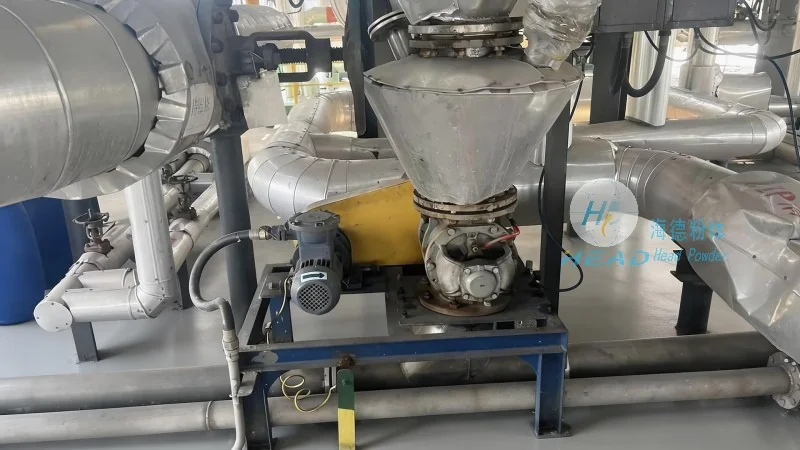
Applications in Various Industries
The versatility of dilute phase pneumatic conveying systems makes them suitable for a wide range of applications across different industries. In the pharmaceutical industry, these systems are used to transport active pharmaceutical ingredients (APIs) and excipients with high precision, ensuring that the materials remain sterile and free from contamination. In food processing, the systems handle powders such as flour, sugar, and spices, maintaining the quality and safety of the products. The chemical industry utilizes dilute phase systems to transport raw materials and intermediates, often in hazardous environments, where the technology's ability to handle corrosive or toxic materials is crucial. In mining and mineral processing, the systems are employed to transport ores and concentrates from processing plants to storage facilities, improving the efficiency of the overall operation.
Conclusion
Dilute phase pneumatic conveying systems represent a sophisticated and efficient solution for material handling in modern industries. By understanding the operation process and working principles, users can leverage these systems to enhance productivity, maintain product quality, and reduce operational costs. As technology continues to advance, these systems are likely to become even more integral to industrial processes, offering new opportunities for innovation and improvement.