

Operation Process and Working Principle of Dust Material Pneumatic Conveying Equipment
HeadPowder, a leading manufacturer based in Shandong, China, specializes in the design and production of advanced pneumatic conveying systems tailored for handling dust and fine particulate materials. This article provides a detailed overview of the operation process and working principles of such equipment, highlighting key components, operational mechanisms, and practical applications.
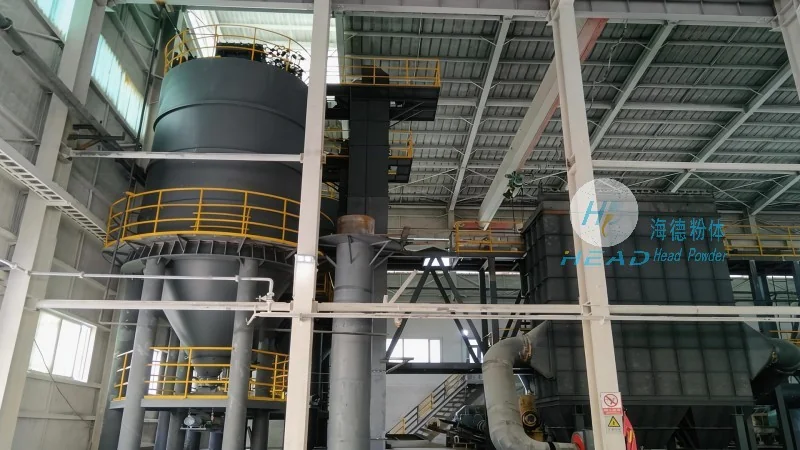
Key Components of Pneumatic Conveying Systems
The core components of a dust material pneumatic conveying system typically include a material feed hopper, a conveying pipeline, a blower or air compressor, a control valve system, and a discharge hopper. The feed hopper is responsible for storing and feeding the dust material into the system. The conveying pipeline, often made of stainless steel or other corrosion-resistant materials, transports the material through the system. The blower or air compressor generates the necessary air pressure to move the material. The control valve system regulates the air flow and material flow, ensuring stable operation. The discharge hopper collects the conveyed material at the end of the pipeline.
Working Principle of Pneumatic Conveying
The operation of a dust material pneumatic conveying system is based on the principle of air flow and material suspension. When the blower or air compressor starts, it creates a high-pressure air stream within the pipeline. The dust material is introduced into the pipeline through the feed hopper, and the air flow lifts and transports the material particles. The material is carried along the pipeline by the air stream, maintaining a suspended state. The control valve system adjusts the air pressure and flow rate to control the conveying speed and material discharge. The material is then discharged from the pipeline into the discharge hopper at the receiving end.
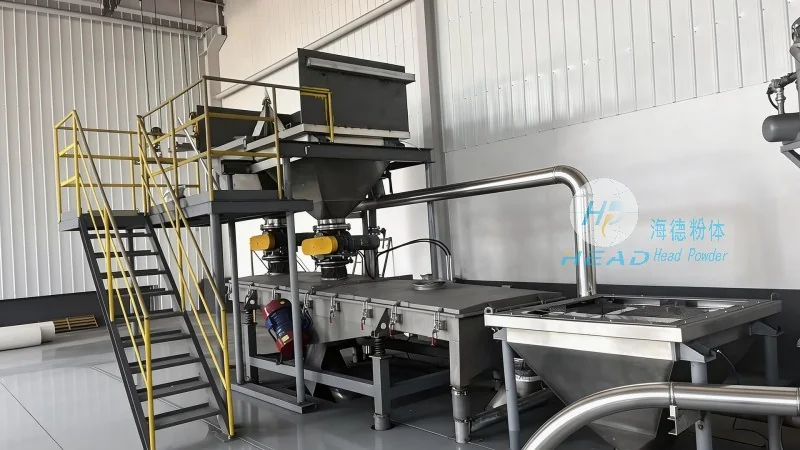
Operation Process of the System
The operation process of a dust material pneumatic conveying system involves several steps. First, the dust material is loaded into the feed hopper. The system is then started by activating the blower or air compressor. The control valve system adjusts the air flow to the optimal level for conveying the material. The material is fed into the pipeline from the hopper, and the air stream lifts and transports it. The material is conveyed through the pipeline to the discharge hopper. The control valve system may adjust the air flow again to regulate the discharge rate. Finally, the system is stopped, and the material is collected from the discharge hopper.
Advantages of Pneumatic Conveying for Dust Materials
Using pneumatic conveying equipment for dust materials offers several advantages. It provides a clean and dust-free conveying process, as the material is contained within the pipeline. It eliminates the need for mechanical components like belts or screws, reducing maintenance and wear. The system can handle a wide range of dust materials, from fine powders to larger particulates. It also allows for flexible system design, with the ability to change the pipeline layout as needed. Additionally, pneumatic conveying systems can be integrated with other processes, such as dust collection and material storage.
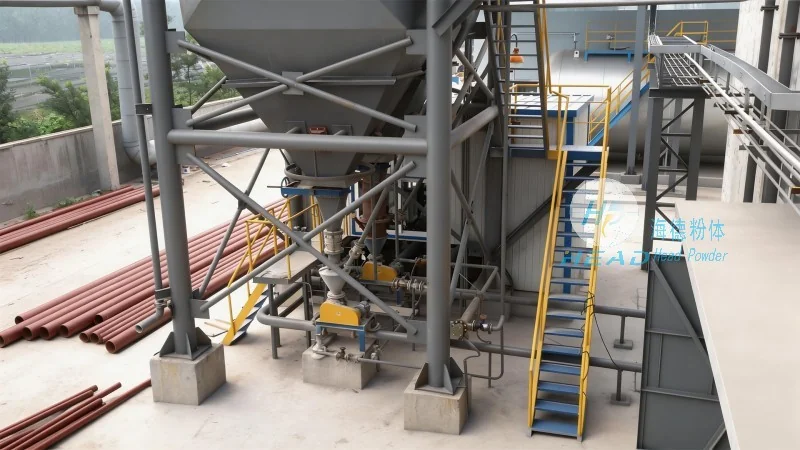
Applications in Industrial Settings
Dust material pneumatic conveying systems are widely used in various industrial applications. In the chemical industry, they are used to transport powders like cement, limestone, and chemicals. In the food industry, they are used to convey fine powders like flour and sugar. In the pharmaceutical industry, they are used to transport powders with high purity requirements. In the mining industry, they are used to transport ore dust and other particulate materials. The systems are also used in the construction industry for transporting cement and other building materials.
Conclusion
HeadPowder's dust material pneumatic conveying equipment is designed to provide efficient, reliable, and cost-effective solutions for handling dust and fine particulate materials. By understanding the operation process and working principles of these systems, users can make informed decisions about their material handling needs. The advanced design and quality components ensure long-term performance and minimal maintenance, making them a preferred choice for industrial applications.