

Operation Process and Working Principle of Pneumatic Conveying Equipment for Spices and Bulk Materia
For industries dealing with spices and other bulk materials, efficient and reliable material handling is crucial. Pneumatic conveying equipment offers a solution that not only ensures smooth material transport but also maintains product quality. This article delves into the operation process and working principle of pneumatic conveying systems specifically designed for spices and similar materials, highlighting the technology's benefits and practical applications.
Introduction to Pneumatic Conveying for Spices
Spices are often characterized by their dry, powdery, or granular nature, which can make traditional handling methods challenging. Conventional systems may lead to material degradation, contamination, or inefficient processing. Pneumatic conveying, however, provides a closed-loop system that minimizes exposure to external elements, preserving the integrity of the product. The equipment, manufactured by Shandong HeadPowder Engineering Co., Ltd. (commonly known as headpowder), is engineered to handle these delicate materials with precision and care.
Working Principle of Pneumatic Conveying Equipment
The core of pneumatic conveying systems lies in the use of air to transport materials. There are two primary types: aspiration (or suction) systems and pressure (or blow) systems. Aspiration systems draw material from a hopper or storage bin using a vacuum created by a fan or blower. The material is then carried through a pipeline to a discharge point. Pressure systems, conversely, use compressed air to push material from a storage vessel through the pipeline. For spices, the choice often depends on the material's properties, such as moisture content and particle size.
Key Components and Their Functions
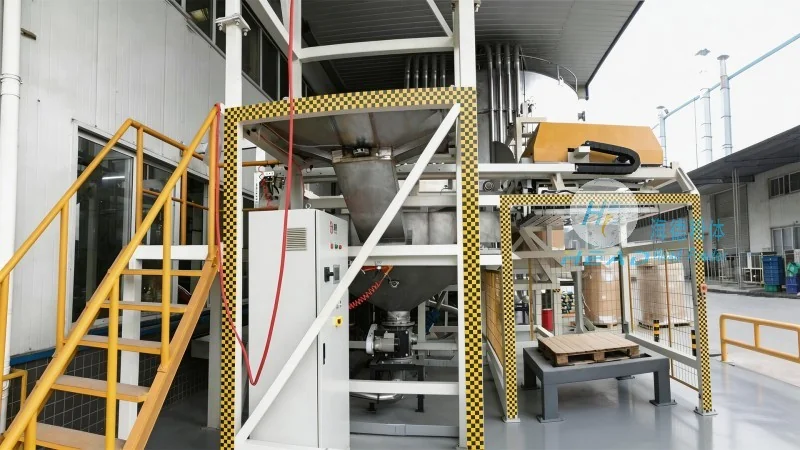
The pneumatic conveying system for spices typically consists of several key components, each playing a vital role in the overall operation. These include:
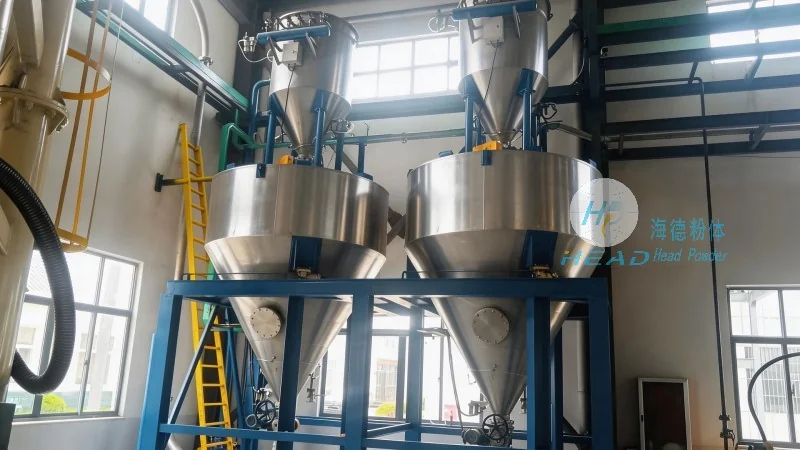
- Material Hopper or Storage Bin: This is where the spice material is stored before being fed into the system. It is designed to maintain the material's quality and prevent caking or agglomeration.
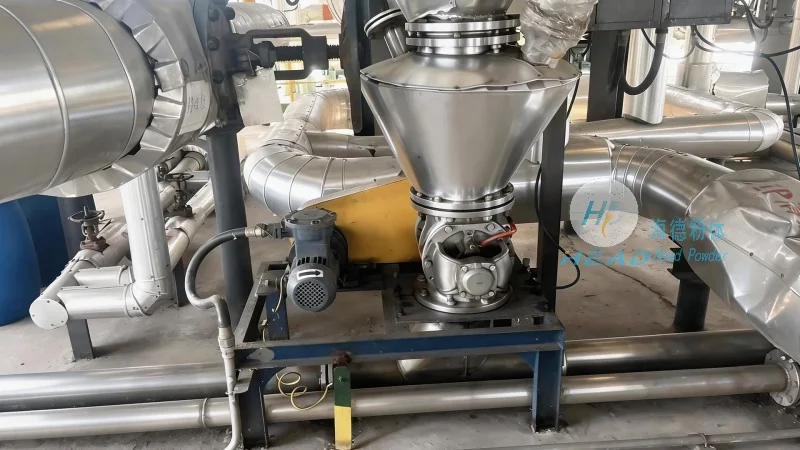
- Feeder: The feeder regulates the flow of material from the hopper into the conveying line. For spices, a rotary valve or screw feeder is commonly used to ensure a consistent and controlled feed rate, preventing overloading or underfeeding.
- Conveying Line: The pipeline through which the material and air travel. The line is usually made of stainless steel or other corrosion-resistant materials to handle the chemical properties of spices and prevent contamination.
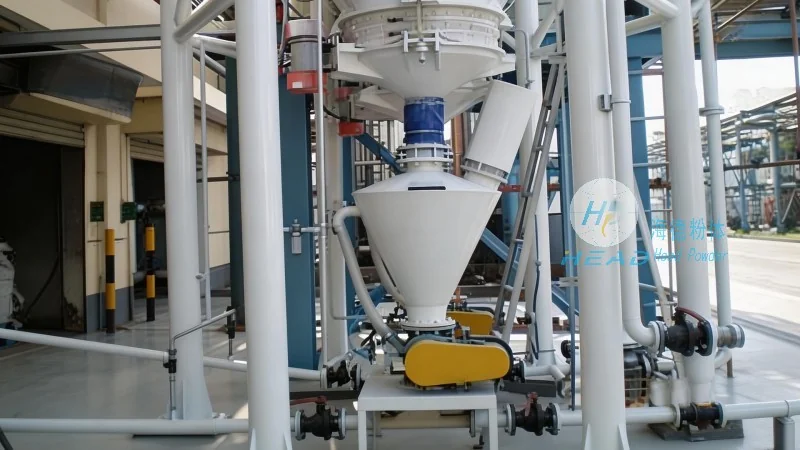
- Fan or Blower: This component generates the necessary air pressure or vacuum to move the material. The choice between a fan (for low-pressure systems) and a blower (for higher pressure) depends on the system's design and the material's characteristics.
- Separation and Cleaning System: At the discharge end, the system separates the material from the air. This may involve cyclones, filters, or other devices to ensure that the spice is collected efficiently and that the air is cleaned before release.
Operation Process: Step-by-Step Guide
The operation of a pneumatic conveying system for spices involves a series of steps that ensure smooth and continuous material transport. Here is a typical process:
- Material Loading: The spice is loaded into the hopper or storage bin. The hopper is equipped with a lid and possibly a level indicator to monitor the material level.
- Feeding: The feeder starts operating, drawing material from the hopper and feeding it into the conveying line at a controlled rate. This step is critical to maintain a consistent flow and prevent blockages.
- Conveying: The fan or blower generates the required air flow, which carries the spice particles through the pipeline. The air velocity is carefully controlled to ensure that the material is transported without damage or segregation.
- Discharge: At the discharge point, the material is separated from the air. The separated spice is collected in a receiving container, while the air is filtered and cleaned before being released back into the environment.
- Cleaning and Maintenance: Regular maintenance is essential to keep the system running efficiently. This includes cleaning the hopper, feeder, and conveying line to prevent material buildup and ensure optimal performance.
Advantages of Pneumatic Conveying for Spice Handling
Using pneumatic conveying equipment for spices offers several advantages over traditional methods. These include:
- Product Preservation: The closed-loop system minimizes exposure to air, moisture, and contaminants, preserving the flavor, aroma, and quality of the spices.
- Efficiency and Speed: Pneumatic conveying allows for rapid and continuous material transport, reducing processing time and increasing overall productivity.
- Space Efficiency: The system can be designed to fit into compact spaces, making it suitable for facilities with limited floor area.
- Reduced Labor and Downtime: Automated feeding and conveying reduce the need for manual handling, minimizing labor costs and downtime due to material blockages or spills.
- Flexibility: The equipment can be easily adjusted to handle different types of spices or to change the conveying distance and speed as needed.
Conclusion and Company Overview
Pneumatic conveying equipment is a vital technology for the efficient and safe handling of spices and other bulk materials. The operation process, which involves precise control of material feed, air flow, and separation, ensures that the product remains intact and of high quality. Shandong HeadPowder Engineering Co., Ltd., with its expertise in engineering and manufacturing, provides reliable solutions tailored to the specific needs of spice processing industries. By leveraging this technology, businesses can enhance their operational efficiency, maintain product quality, and stay competitive in the market.