

Operation Process and Working Principle of Pneumatic Conveying Equipment for Aluminum Battery Materi
When it comes to efficiently handling aluminum battery materials, the choice of conveying equipment plays a pivotal role in ensuring smooth operations and maintaining product integrity. Pneumatic conveying systems have emerged as a reliable solution, offering advantages such as dust-free transport, flexibility in layout, and the ability to handle a wide range of material types. This article delves into the operation process and working principles of such systems, specifically tailored for aluminum battery materials, and highlights how companies like Shandong HeadPowder Engineering Co., Ltd. (referred to as HeadPowder) have optimized these technologies for industrial applications.
Key Components of the Pneumatic Conveying System
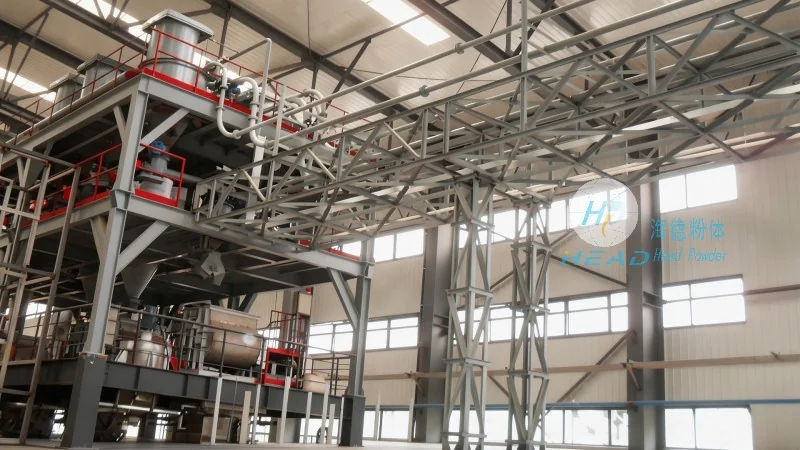
A pneumatic conveying system for aluminum battery materials typically consists of several core components that work in tandem to facilitate material transport. The primary elements include a material hopper or feeder, a conveying line (often equipped with a venturi or pressure vessel), a control valve system, and a dust collection or filtration unit. The material hopper is designed to store and feed the aluminum battery powders or granules into the system at a controlled rate, preventing blockages and ensuring consistent flow. The conveying line, which may be made of stainless steel or other corrosion-resistant materials, is crucial for maintaining the integrity of the aluminum battery materials, especially since these powders can be sensitive to moisture or contamination. The control valve system allows operators to regulate the flow rate and pressure within the system, adapting to varying production demands. Finally, the dust collection unit is essential for maintaining a clean and safe working environment, as aluminum battery materials can generate fine dust during transport.
Operation Process of the Pneumatic Conveying System
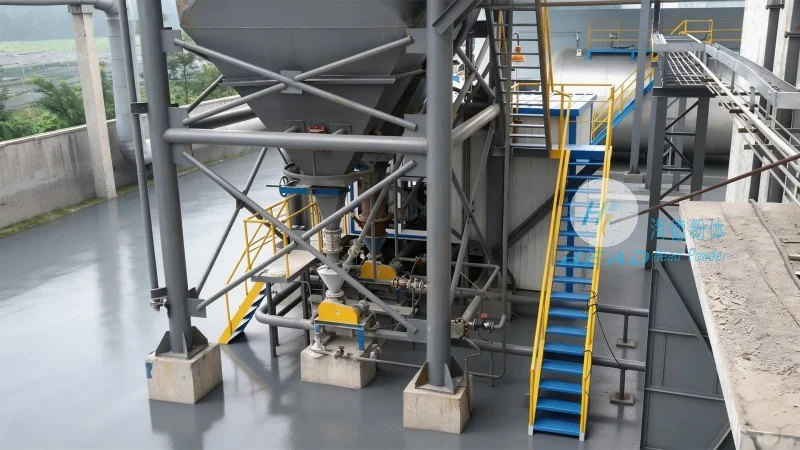
The operation process of a pneumatic conveying system for aluminum battery materials begins with the loading of the material into the hopper. The hopper is equipped with a feeder mechanism, such as a rotary valve or a screw feeder, which gradually releases the aluminum battery powders into the conveying line. As the material enters the line, it is carried by a stream of air, typically generated by a blower or a positive displacement pump. The air pressure within the system is carefully controlled to ensure that the material is transported at the desired velocity without causing excessive wear on the equipment or damaging the material particles. The conveying line may include sections with varying diameters or bends, which are designed to minimize pressure loss and maintain the flow of material. At the receiving end, the material is deposited into a storage bin or processing unit, and the air is filtered and recycled back into the system to conserve energy and reduce environmental impact. The entire process is monitored by a control system that adjusts the air flow and material feed rate in real-time, ensuring optimal performance and preventing system failures.
Working Principle of the Pneumatic Conveying System
The working principle of a pneumatic conveying system for aluminum battery materials is based on the fundamental concept of using air as a medium to transport solid materials. There are two main types of pneumatic conveying systems: pressure and vacuum systems. In a pressure system, air is introduced into the conveying line under pressure, pushing the material forward. This type is suitable for long-distance or high-capacity transport, as it can maintain consistent pressure throughout the system. In a vacuum system, air is drawn out of the conveying line, creating a negative pressure that pulls the material into the line. This type is often used for shorter distances or when the material needs to be transported from a lower elevation to a higher one. The key to the system's efficiency lies in the balance between air velocity and material velocity. If the air velocity is too low, the material may settle and cause blockages; if it is too high, the material may be damaged or the system may consume excessive energy. HeadPowder's expertise in designing and manufacturing these systems ensures that the optimal air velocity is achieved for each specific application, maximizing efficiency and minimizing operational costs.
Benefits and Applications in Aluminum Battery Manufacturing
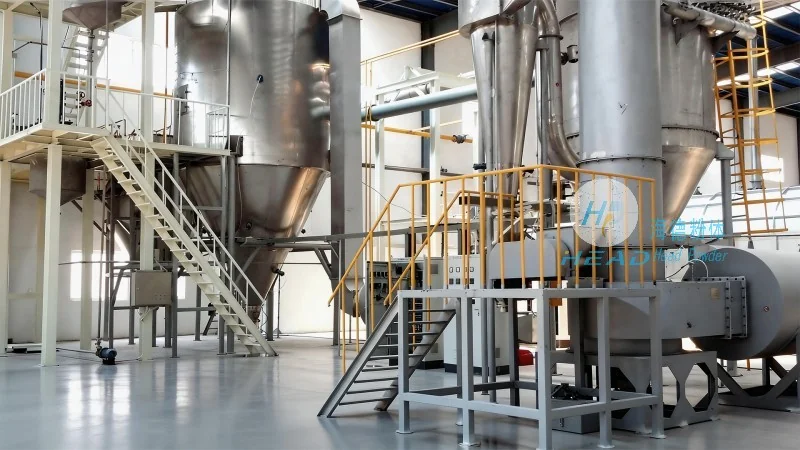
The use of pneumatic conveying systems for aluminum battery materials offers several benefits that are critical in modern manufacturing environments. First, these systems provide a dust-free and clean transport process, which is essential for maintaining the quality of aluminum battery powders and preventing contamination. This is particularly important in industries where product purity is paramount, such as battery manufacturing. Second, the flexibility of pneumatic conveying systems allows for easy integration into existing production lines, adapting to changes in production volume or layout. Third, the systems are relatively compact and can be installed in various configurations, making them suitable for both new and retrofit applications. HeadPowder's pneumatic conveying equipment for aluminum battery materials has been successfully implemented in numerous battery manufacturing facilities, helping companies improve their operational efficiency, reduce downtime, and enhance product quality. The company's commitment to using high-quality materials and advanced technology ensures that their systems meet the stringent requirements of the aluminum battery industry.
Conclusion and Company Overview
In conclusion, the operation process and working principles of pneumatic conveying systems for aluminum battery materials are complex yet efficient, offering significant advantages in material handling. The key to successful implementation lies in understanding the specific requirements of the aluminum battery materials and designing a system that optimizes performance and reliability. Shandong HeadPowder Engineering Co., Ltd., with its expertise in engineering and manufacturing, provides comprehensive solutions for pneumatic conveying systems tailored to the needs of the aluminum battery industry. By leveraging advanced technology and a deep understanding of material handling, HeadPowder helps manufacturers achieve higher productivity, lower operational costs, and improved product quality. Whether for new installations or system upgrades, HeadPowder's pneumatic conveying equipment is a reliable choice for companies seeking to enhance their aluminum battery material handling processes.