

Operation Process and Working Principle of Sodium Hypochlorite Material Pneumatic Conveying Machine
HeadPowder, a leading manufacturer based in Shandong, China, specializes in the design and production of advanced pneumatic conveying systems for handling sodium hypochlorite materials. This article provides a comprehensive overview of the operation process and working principle of their sodium hypochlorite material pneumatic conveying machines, highlighting key technical aspects and practical applications.
Introduction to Sodium Hypochlorite Pneumatic Conveying Systems
Sodium hypochlorite is a widely used chemical in water treatment, disinfection, and industrial processes. Efficient and safe material handling is crucial for maintaining product quality and operational safety. Pneumatic conveying systems offer a reliable solution for transporting sodium hypochlorite, especially in applications where traditional methods like belt conveyors or screw conveyors may pose challenges due to the material's properties, such as corrosiveness, moisture content, or dust generation. HeadPowder's pneumatic conveying machines are engineered to address these challenges, ensuring smooth and controlled material transport while minimizing risks of contamination or equipment damage.
Overview of the Operation Process
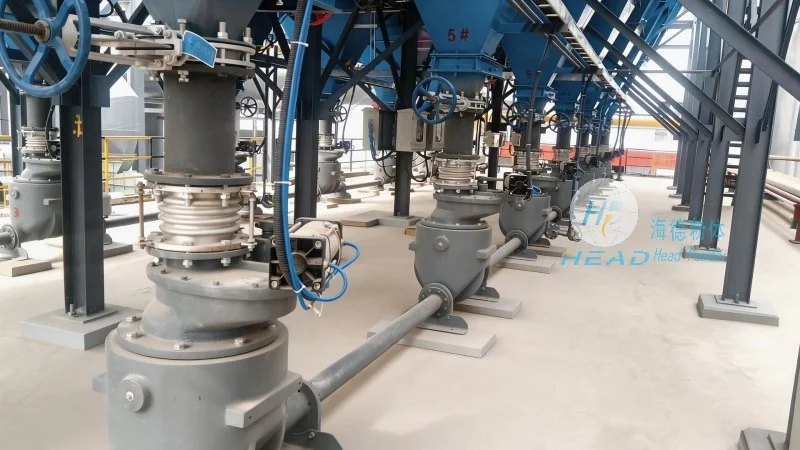
The operation of a sodium hypochlorite material pneumatic conveying machine typically involves several sequential steps. First, the sodium hypochlorite material is fed into the system, either from a storage tank or a hopper. The material is then introduced into a conveying line, where it is mixed with an air stream. The air stream, generated by a high-pressure blower or compressor, propels the material through the pipeline. The conveying process continues until the material reaches its destination, such as a storage silo, processing unit, or discharge point. The system is designed to maintain consistent air pressure and flow rates to ensure reliable material transport without clogging or loss of material.

Detailed Working Principle
The working principle of the pneumatic conveying machine relies on the interaction between the material and the air stream. In a typical system, the material is introduced into the conveying line at a controlled rate, often using a rotary valve or feeder. The air stream, which can be either positive pressure (where air pushes the material) or negative pressure (where air pulls the material), moves the material along the pipeline. The positive pressure system is more common for sodium hypochlorite applications as it provides better control over material flow and reduces the risk of dust exposure. The machine's design includes features such as a filter system to remove any airborne particles, a pressure regulator to maintain stable air pressure, and a discharge valve to control the release of material at the destination. The entire process is automated, with sensors and controls ensuring that the system operates within safe and efficient parameters.
Key Components and Their Functions
Several critical components contribute to the effective operation of the sodium hypochlorite pneumatic conveying machine. The primary components include the material feeder, which controls the flow rate of the sodium hypochlorite into the system; the air compressor or blower, which generates the necessary air pressure to move the material; the conveying pipeline, which transports the material from the source to the destination; the filter and separator, which remove any solid particles or moisture from the air stream; and the discharge valve, which regulates the release of material at the end of the pipeline. Each component is designed to withstand the corrosive nature of sodium hypochlorite and to operate reliably over extended periods. The material feeder, for example, is often made of stainless steel to prevent corrosion and ensure durability. The air compressor is equipped with a moisture separator to prevent water from entering the conveying line and causing blockages. The filter system is essential for maintaining air quality and preventing dust from escaping into the environment.
Safety and Maintenance Considerations
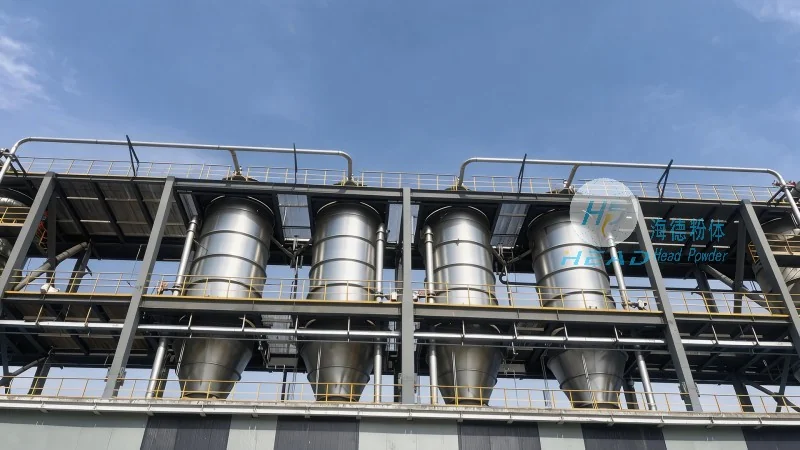
Due to the hazardous nature of sodium hypochlorite, safety is a top priority in the design and operation of the pneumatic conveying machine. The system is equipped with safety features such as pressure relief valves to prevent over-pressurization, explosion-proof components to protect against electrical hazards, and leak detection systems to identify any material or air leaks. Regular maintenance is also crucial to ensure the longevity and reliability of the equipment. This includes routine checks of the air compressor, filter system, and material feeder, as well as cleaning of the conveying pipeline to prevent buildup of material residues. HeadPowder recommends a maintenance schedule that includes daily inspections, weekly cleaning of the filter, and monthly checks of the air compressor and pressure system. Proper maintenance not only extends the life of the equipment but also ensures consistent performance and safety.
Application Scenarios and Benefits
Sodium hypochlorite material pneumatic conveying machines are used in a variety of industrial applications, including water treatment plants, chemical manufacturing facilities, and food processing industries. In water treatment, the system is used to transport sodium hypochlorite from storage tanks to disinfection units, ensuring that the chemical is delivered in a controlled manner to maintain water quality. In chemical manufacturing, the machine is used to transport sodium hypochlorite to reaction vessels, where it is used as a raw material in the production of other chemicals. The benefits of using a pneumatic conveying system for sodium hypochlorite include improved safety due to reduced human contact with the material, increased efficiency due to automated operation, and lower maintenance costs due to the use of durable components. Additionally, the system reduces the risk of contamination and product degradation, which is critical for maintaining the quality of the final product.