

Introduction to Air-Flow Transportation of Barite Powder and Its Structural Principles
Barite powder, a vital industrial material utilized across sectors including oil drilling, medical imaging, and manufacturing, often requires efficient and reliable transportation methods. Air-flow transportation, or pneumatic conveying, has become a preferred solution for handling barite powder due to its ability to transport materials over extended distances with minimal maintenance and environmental impact. This article provides an overview of the air-flow transportation system for barite powder, focusing on its structural principles and operational effectiveness.
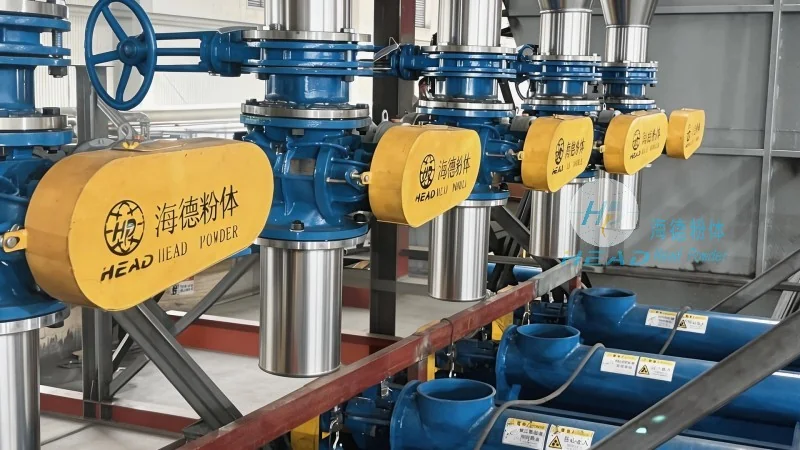
HeadPowder, a leading provider in the field, specializes in designing and manufacturing advanced air-flow transportation systems tailored to the unique characteristics of barite powder. With a strong presence in Shandong, China, the company leverages its expertise to deliver solutions that meet the demands of modern industrial applications. The following sections delve into the structural components and working principles of the air-flow transportation system, offering insights into how these systems enhance material handling efficiency.
Structural Principles of Air-Flow Transportation System
The air-flow transportation system for barite powder operates on the principle of using compressed air to move the powder through a network of pipes. The core components of this system include a feeding device, a conveying pipeline, a fan or blower to generate the air flow, and a separation unit to collect the powder from the air stream. Each component plays a critical role in ensuring the smooth and efficient transport of barite powder from the source to the destination.
The feeding device is responsible for introducing the barite powder into the system in a controlled manner, preventing blockages and ensuring consistent material flow. This component is typically designed to handle the specific bulk density and flow characteristics of barite powder, minimizing the risk of clogging or uneven distribution. The conveying pipeline, often made of corrosion-resistant materials like stainless steel or plastic, is engineered to withstand the abrasive nature of barite powder and maintain the integrity of the material during transport.
The fan or blower is a key component that generates the necessary air pressure and flow rate to move the barite powder through the pipeline. The selection of the appropriate fan type, such as a centrifugal or positive displacement blower, depends on factors like the required conveying capacity, the distance of transport, and the particle size distribution of the barite powder. The air flow generated by the fan creates a vacuum or pressure differential that propels the powder particles along the pipeline.
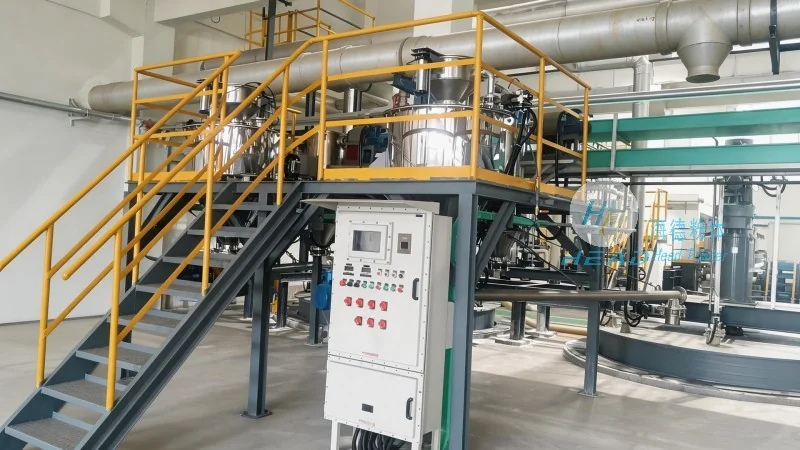
The separation unit, located at the end of the conveying pipeline, is designed to separate the barite powder from the air stream. This unit typically consists of a cyclone separator or a bag filter, which uses centrifugal force or filtration to collect the powder and return it to the process or storage area. The separated air is then discharged back into the environment or recirculated, depending on the system design and environmental regulations.
Key Components and Their Functions
Each component of the air-flow transportation system for barite powder is meticulously designed to optimize performance and reliability. The feeding device, as mentioned earlier, ensures that the barite powder is introduced into the system in a controlled manner, preventing blockages and maintaining a consistent flow rate. This is particularly important for barite powder, which can be prone to agglomeration or caking under certain conditions.
The conveying pipeline is a critical part of the system, as it must withstand the abrasive nature of barite powder and maintain the structural integrity of the material during transport. The choice of material for the pipeline, such as stainless steel or high-density polyethylene, is determined by factors like the chemical compatibility of the barite powder with the material and the required durability under operational conditions.
The fan or blower is responsible for generating the air flow necessary to move the barite powder through the pipeline. The selection of the appropriate fan type depends on the specific requirements of the application, including the conveying capacity, the distance of transport, and the particle size distribution of the barite powder. For example, a centrifugal fan may be used for short-distance transport with low to medium conveying rates, while a positive displacement blower may be preferred for long-distance or high-capacity applications.
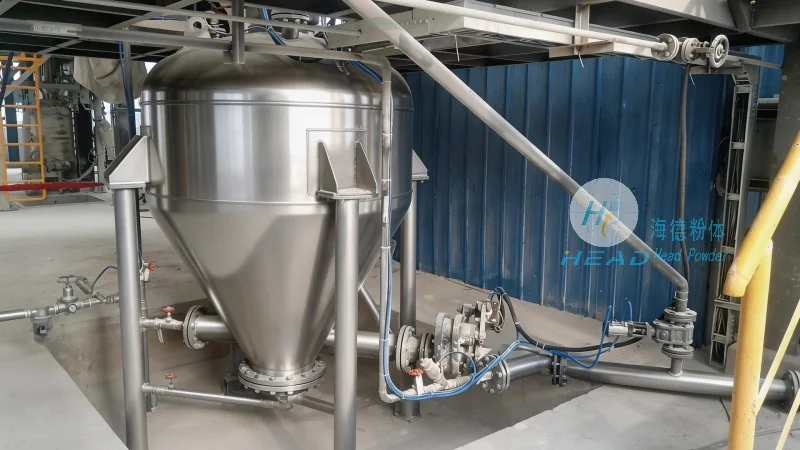
The separation unit is essential for recovering the barite powder from the air stream and preventing dust emissions. The cyclone separator works by using centrifugal force to separate the larger powder particles from the air, while the smaller particles are captured by the bag filter. The collected powder is then returned to the process or storage area, ensuring minimal loss and maximizing material recovery.
Operational Process and Efficiency
The operational process of the air-flow transportation system for barite powder involves several steps that work in tandem to achieve efficient material handling. The process begins with the feeding of barite powder into the system, where the feeding device ensures a consistent flow rate. The powder is then drawn into the conveying pipeline by the fan or blower, which generates the necessary air flow to move the material.
As the barite powder travels through the pipeline, it is carried by the air stream and reaches the separation unit at the end of the pipeline. The separation unit then separates the powder from the air, collecting it in a hopper or storage container. The air, now free of powder, is either discharged or recirculated back into the system, depending on the design and environmental considerations.
One of the key advantages of air-flow transportation is its ability to transport barite powder over long distances with minimal energy consumption and maintenance. The system operates efficiently by using compressed air to move the material, reducing the need for mechanical conveyors or other traditional methods that may require more energy and maintenance. Additionally, the air-flow system is relatively compact and can be easily integrated into existing industrial facilities, making it a cost-effective solution for many applications.
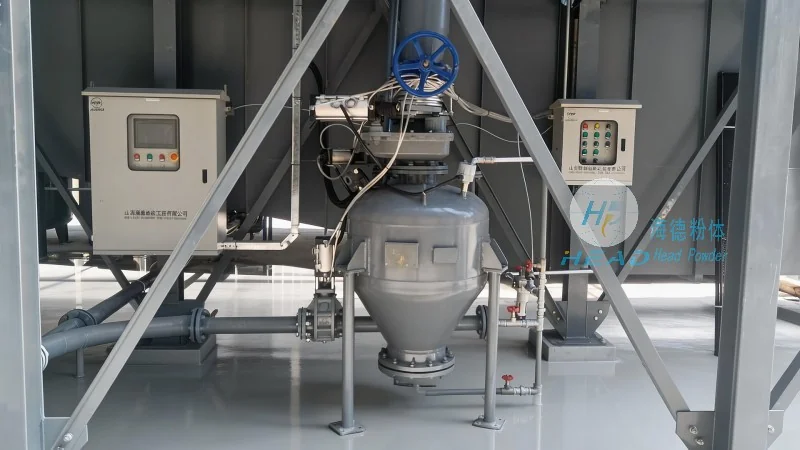
The efficiency of the air-flow transportation system is further enhanced by the use of advanced control systems that monitor and adjust the flow rate, pressure, and other parameters in real-time. These systems ensure that the barite powder is transported at optimal conditions, minimizing energy waste and maximizing material throughput. The result is a reliable and efficient system that meets the demands of modern industrial applications while maintaining environmental compliance.
Application Scenarios and Benefits
The air-flow transportation system for barite powder is widely used in various industrial applications, including oil and gas drilling, where barite is used as a weighting agent to increase the density of drilling fluids. In this application, the system efficiently transports barite powder from storage to the drilling site, ensuring a consistent supply of material for the drilling operations.
In the medical imaging industry, barite is used in X-ray contrast agents, and the air-flow transportation system helps in the efficient handling and distribution of this material. The system ensures that the barite powder is transported safely and without contamination, meeting the stringent quality standards required for medical applications.
Other applications include the manufacturing of ceramics, paints, and coatings, where barite is used as a filler or pigment. The air-flow system provides a reliable and efficient method for transporting barite powder to these manufacturing processes, improving overall production efficiency and reducing material losses.
The benefits of using the air-flow transportation system for barite powder extend beyond efficiency and reliability. The system offers a clean and dust-free operation, reducing the risk of dust exposure and improving workplace safety. Additionally, the system is environmentally friendly, as it minimizes the release of dust into the environment and can be designed to comply with environmental regulations. Overall, the air-flow transportation system provides a cost-effective and sustainable solution for handling barite powder in various industrial applications.