

Calcium Nitrite Pneumatic Conveying: An Overview of Its Structure and Operating Principles
Calcium nitrite is a critical chemical widely used in industrial applications, particularly for its role as a corrosion inhibitor and in fire protection systems. The efficient handling and transportation of calcium nitrite are essential for maintaining process reliability and safety. This article provides a detailed introduction to calcium nitrite pneumatic conveying systems, focusing on their structural design and operational principles.
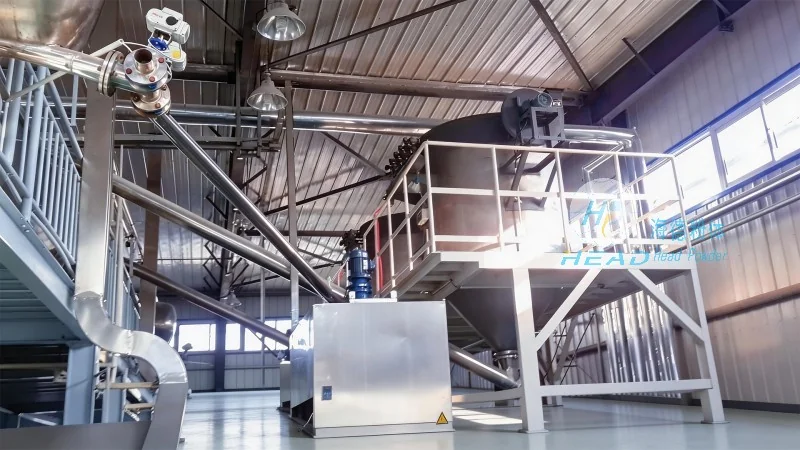
Understanding Calcium Nitrite Pneumatic Conveying Systems
Pneumatic conveying systems are widely employed in the chemical industry to transport bulk materials like calcium nitrite from one location to another. These systems utilize air or other gases to move the material through a pipeline network. The primary advantage of pneumatic conveying is its ability to transport materials in a closed system, minimizing dust exposure and environmental contamination. For calcium nitrite, which is often handled in large quantities, this method offers significant benefits in terms of safety and operational efficiency.
The Structural Components of a Calcium Nitrite Pneumatic Conveying System
A typical calcium nitrite pneumatic conveying system consists of several key components that work in tandem to ensure effective material transport. These components include the material feeder, the conveying line, the air supply system, and the control unit. The material feeder is responsible for introducing calcium nitrite into the system at a controlled rate, ensuring a consistent flow. The conveying line, usually made of corrosion-resistant materials such as stainless steel or special alloys, is designed to withstand the chemical properties of calcium nitrite and prevent degradation over time. The air supply system generates the necessary pressure and flow of air to move the material through the pipeline. This system may include a blower or compressor, along with filters and regulators to maintain air quality and pressure stability. The control unit monitors and adjusts the system parameters, such as air pressure and material feed rate, to optimize performance and prevent issues like blockages or overloading.
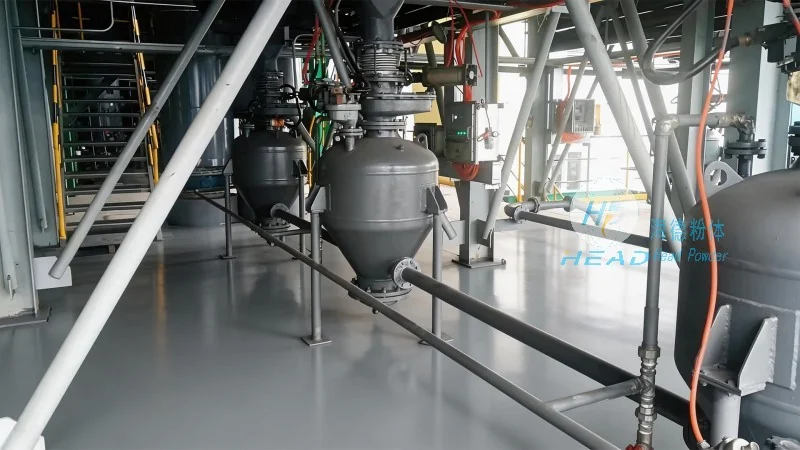
Operating Principles of Calcium Nitrite Pneumatic Conveying
The operation of a calcium nitrite pneumatic conveying system is based on the principle of fluidization and suspension. When air is introduced into the conveying line at a sufficient velocity, it creates a low-pressure zone that lifts and suspends the calcium nitrite particles. The particles are then carried along the pipeline by the moving air stream. The velocity of the air must be maintained above the material's terminal velocity to prevent deposition and ensure smooth transport. The system may operate in either positive or negative pressure modes. Positive pressure systems use a blower to force air and material through the line, while negative pressure systems use a vacuum to draw material into the line. The choice between these modes depends on factors such as the distance to be covered, the material's properties, and the system's design requirements.
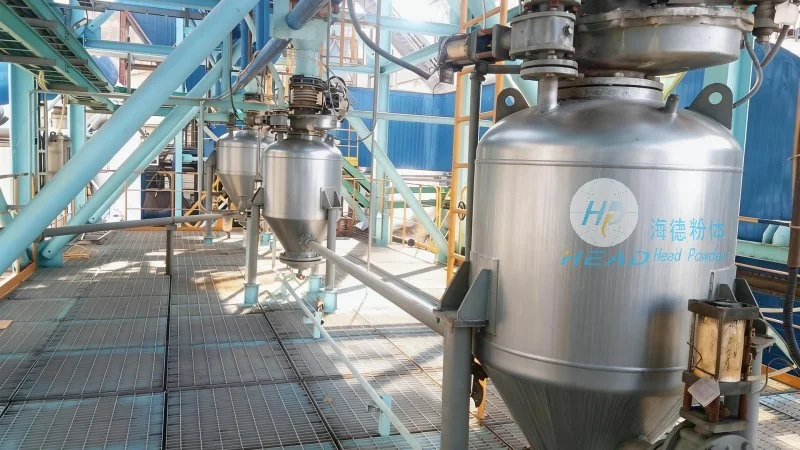
Advantages of Using Pneumatic Conveying for Calcium Nitrite
Implementing a pneumatic conveying system for calcium nitrite offers several advantages over traditional methods like belt conveyors or bucket elevators. One of the most significant benefits is the reduction in dust generation and exposure, which enhances workplace safety and compliance with environmental regulations. The closed system design also prevents contamination from external sources and minimizes the risk of material loss. Additionally, pneumatic conveying systems can handle a wide range of material sizes and shapes, making them versatile for various industrial applications. The ability to transport calcium nitrite in a controlled manner also improves process consistency and reduces downtime due to material handling issues.
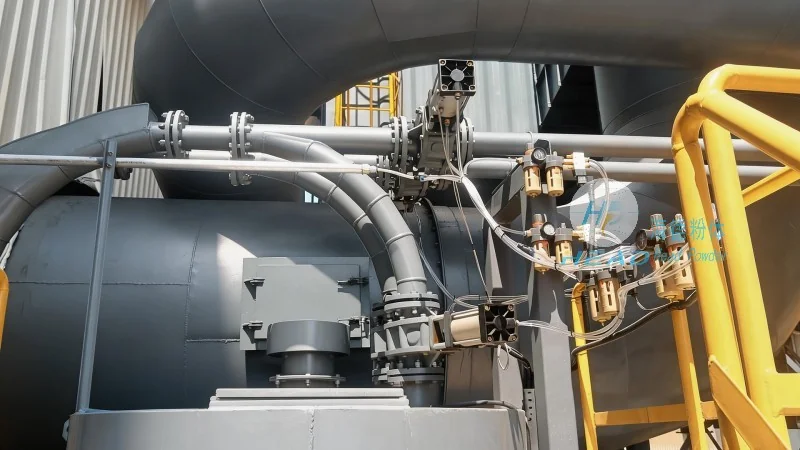
Applications of Calcium Nitrite Pneumatic Conveying
Calcium nitrite pneumatic conveying systems are used in a variety of industrial settings where calcium nitrite is a key component. These applications include the production of concrete additives, where calcium nitrite is used as an accelerator to enhance early strength development. In the fire protection industry, calcium nitrite is used in fire suppression systems, and pneumatic conveying allows for the efficient distribution of this chemical to different parts of a facility. Other applications include its use in metal processing, where it serves as a corrosion inhibitor in cooling systems, and in the manufacturing of other chemicals where it acts as a raw material or intermediate.
Maintenance and Safety Considerations for Calcium Nitrite Pneumatic Conveying Systems
Proper maintenance and safety protocols are crucial for the reliable operation of calcium nitrite pneumatic conveying systems. Regular inspection of the conveying line and components is necessary to detect any signs of corrosion or wear, which could lead to system failure or material leakage. The air supply system should be checked for proper filtration to prevent contaminants from entering the system and affecting the material quality. Safety measures should be in place to handle any potential spills or leaks of calcium nitrite, as it is a hazardous chemical. Personnel operating the system should be trained on proper handling procedures and emergency response protocols. Additionally, the system should be equipped with safety features such as pressure relief valves and emergency shut-off mechanisms to prevent accidents and ensure worker safety.