

Introduction to Borax Pneumatic Conveying Systems: Structure and Working Principles
HeadPowder, a leading enterprise in the field of material handling technology, specializes in the design, manufacturing, and installation of advanced pneumatic conveying systems. This article provides a comprehensive overview of borax pneumatic conveying systems, focusing on their structural components and operational principles. The company, with its headquarters in Shandong, China, has extensive experience in delivering customized solutions for various industrial applications.
Key Components of Borax Pneumatic Conveying Systems
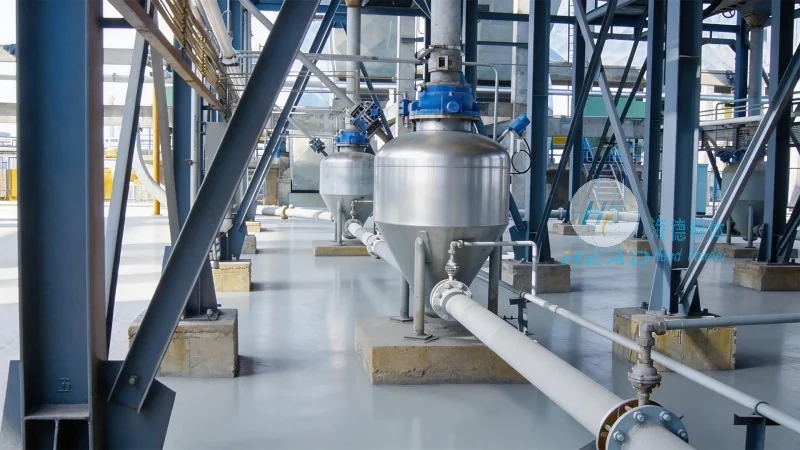
The borax pneumatic conveying system is composed of several critical components that work in tandem to ensure efficient material transport. The primary elements include the material hopper, air supply system, conveying pipeline, and receiving hopper. The material hopper is designed to store and feed the borax powder into the system. It typically features a hopper with a discharge valve to control the flow rate of the material. The air supply system, which may consist of a blower or compressor, generates the necessary airflow to move the powder through the pipeline. The conveying pipeline is made of materials resistant to corrosion and abrasion, such as stainless steel or special plastic, to withstand the handling of borax. The receiving hopper collects the material at the destination point, completing the transport process.
Working Principles of the Pneumatic Conveying System
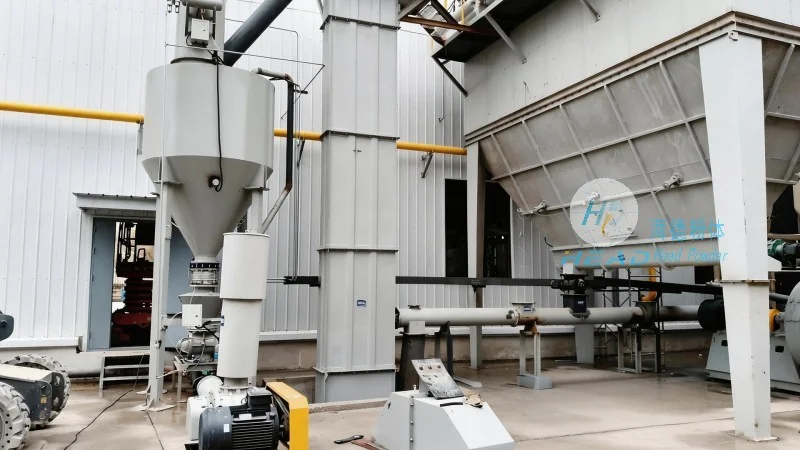
The operation of a borax pneumatic conveying system is based on the principle of air movement to transport solid particles. When the system is activated, the air supply unit produces a high-pressure airflow. This airflow is directed into the material hopper, where it lifts the borax powder and draws it into the conveying pipeline. The powder is then carried through the pipeline by the moving air stream. The velocity and pressure of the air are carefully controlled to ensure that the powder is transported without clogging or degradation. At the receiving end, the air slows down, allowing the borax to settle into the receiving hopper. The system may also include a filter and dust collector to remove any fine particles from the air before it is released back into the environment, ensuring compliance with environmental regulations.
Advantages of Using Pneumatic Conveying for Borax Transport
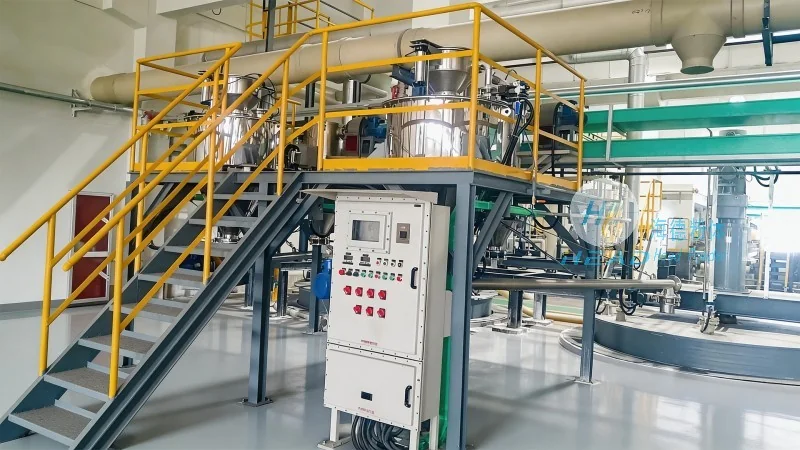
Compared to traditional mechanical conveying methods, pneumatic conveying offers several advantages for borax transport. One of the key benefits is the ability to handle fine powders without the need for additional equipment like conveyors or elevators. This reduces the risk of material degradation and contamination. The system is also highly flexible, allowing for changes in the transport route or destination without major modifications. Additionally, pneumatic conveying systems can operate in a closed environment, minimizing dust emissions and improving workplace safety. The automated nature of the system reduces labor costs and increases operational efficiency, making it an ideal choice for large-scale borax handling operations.

Customization and Application Scope
HeadPowder provides customized borax pneumatic conveying solutions tailored to the specific needs of each client. The company considers factors such as the volume of borax to be transported, the distance between the source and destination, and the required flow rate when designing the system. For example, in industrial settings where large quantities of borax are processed, the system may include multiple hoppers and a network of pipelines to handle high throughput. In contrast, for smaller-scale applications, a simpler system with a single hopper and a shorter pipeline may be sufficient. The company's expertise in material handling technology ensures that the designed system is both efficient and cost-effective, meeting the operational requirements of various industries, including chemical manufacturing, food processing, and pharmaceuticals.