

Introduction to and Structural Principles of Ship Loading and Unloading Pneumatic Conveying Systems
For industries engaged in bulk material handling, efficient and reliable transport of goods from ships to storage facilities or vice versa is crucial. Pneumatic conveying systems offer a sophisticated solution to this challenge, leveraging air pressure to move materials like grains, powders, and other bulk commodities. This article provides an overview of ship loading and unloading pneumatic conveying systems, detailing their structural components and operational principles.
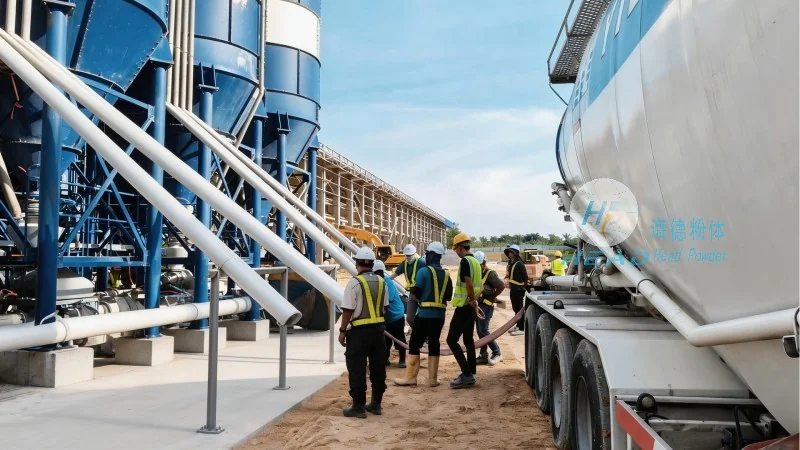
Key Components of Pneumatic Conveying Systems
The core of any pneumatic conveying system is a network of components designed to create a controlled airflow that propels material through a pipeline. The primary elements include a material feed hopper, an air compressor or blower, a conveying line (often with bends and elbows), and a discharge hopper or receiver. In ship loading and unloading applications, these components are adapted to handle the scale and environmental conditions of maritime operations.
HeadPowder, a leading manufacturer in the field, emphasizes the importance of each component's design. The material feed hopper is engineered to handle large volumes of bulk material, ensuring a consistent flow into the system. The air compressor or blower generates the necessary pressure to move the material through the pipeline, with options ranging from positive displacement blowers to rotary lobe compressors depending on the material's characteristics and system requirements. The conveying line, typically made of durable materials like stainless steel or plastic, is designed to withstand the pressures and abrasion associated with bulk material transport. Finally, the discharge hopper or receiver collects the material at the destination, with features such as level sensors and control valves to manage the flow and prevent overfilling.
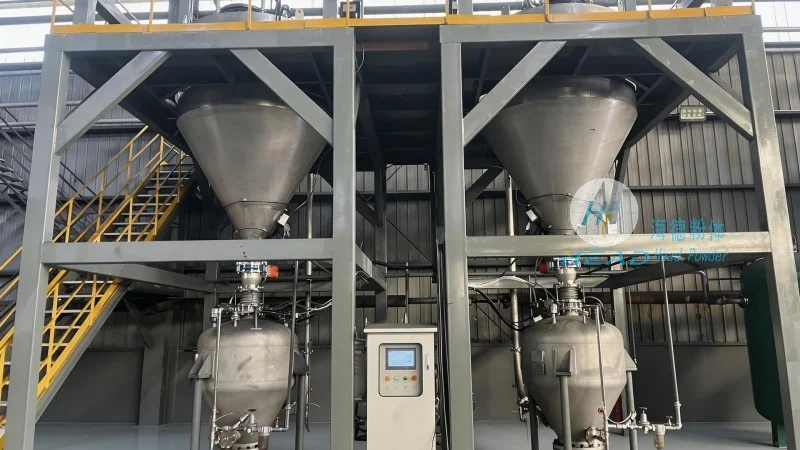
Structural Principles and Operational Mechanics
The structural principles of pneumatic conveying systems revolve around the balance between air pressure and material density. There are two main types of pneumatic conveying: dilute phase and dense phase. Dilute phase systems use low air velocities to transport material in a suspended state, while dense phase systems use higher air velocities and lower pressure to move material in a more compacted form. For ship loading and unloading, dilute phase systems are commonly employed due to their ability to handle large volumes over long distances with minimal pressure drops.
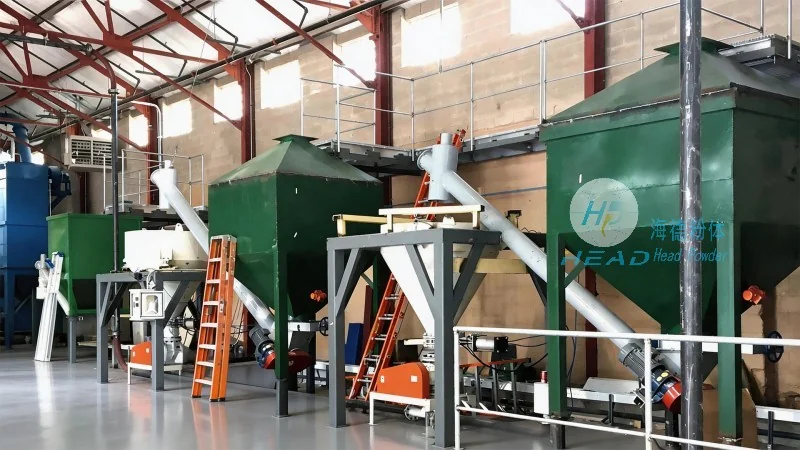
The operational mechanics involve the material being introduced into the conveying line at the feed hopper, where it is mixed with air from the compressor. The air and material mixture travels through the pipeline, with bends and elbows designed to maintain the material's suspension. At the discharge end, the air is separated from the material, often using a cyclone separator or a filter, and the material is collected in the receiver. The air is then returned to the compressor or released, depending on the system configuration. This continuous cycle ensures efficient material transport with minimal downtime.
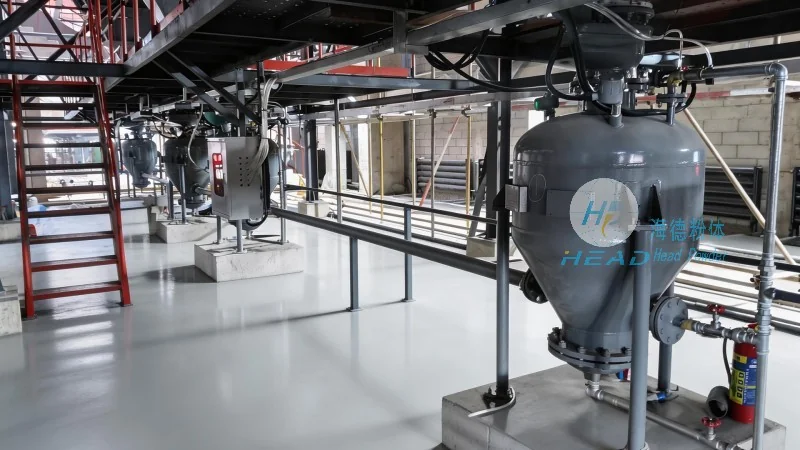
Advantages of Pneumatic Conveying for Maritime Applications
Implementing pneumatic conveying systems for ship loading and unloading offers several advantages over traditional methods like belt conveyors or bucket elevators. Firstly, it provides a dust-free and enclosed environment, reducing the risk of material contamination and improving workplace safety. Secondly, the system is highly flexible, allowing for changes in material flow rates and destinations without significant modifications. Thirdly, it can handle a wide range of materials, from fine powders to coarse granules, with minimal degradation. Additionally, the system is compact and can be installed in confined spaces, making it suitable for shipyards with limited room for large equipment.
HeadPowder's Expertise in Pneumatic Conveying Solutions
Shandong HeadPowder Engineering Co., Ltd., operating under the brand name HeadPowder, specializes in designing and manufacturing customized pneumatic conveying systems tailored to the needs of maritime industries. With a focus on quality and innovation, HeadPowder's engineers work closely with clients to understand their specific requirements, such as material type, volume, and operational constraints. The company's solutions are built with durable materials and advanced control systems, ensuring long-term reliability and low maintenance costs. HeadPowder's commitment to customer satisfaction is reflected in its comprehensive after-sales support, including installation guidance, maintenance services, and technical assistance.