

Introduction to Bin Pump Pneumatic Conveying System: Structure and Working Principle
Bin pump pneumatic conveying systems are essential equipment in bulk material handling, offering efficient and flexible solutions for transporting powders and granules. This article provides an overview of the bin pump system, detailing its structure and operational principles to help users understand its functionality and benefits.
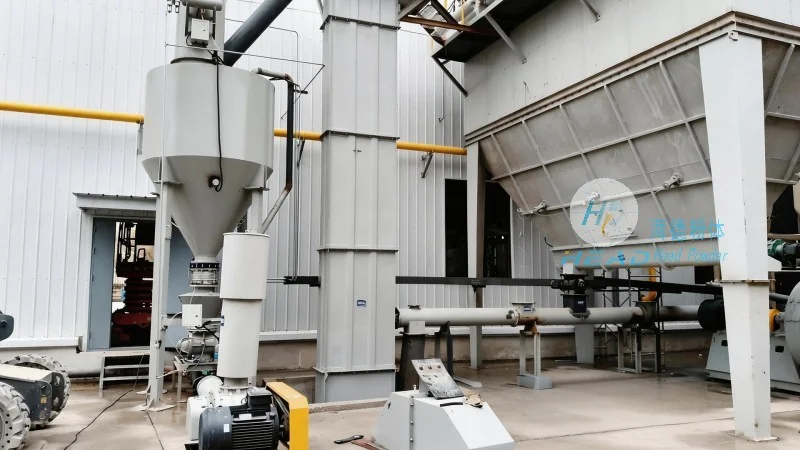
Company Profile
HeadPowder, or Shandong HeadPowder Engineering Co., Ltd., is a leading manufacturer specializing in pneumatic conveying technology. With a base in Shandong, China, the company has established itself as a trusted provider of high-quality bin pump systems tailored to diverse industrial needs.
Overview of Bin Pump Pneumatic Conveying System
The bin pump system is a type of positive displacement pneumatic conveyor that uses a hopper or bin to store bulk materials. It operates by creating a vacuum or pressure within the system to draw or push material through a pipeline. This method is particularly effective for handling fine powders and granular materials, ensuring minimal product degradation and loss during transport.
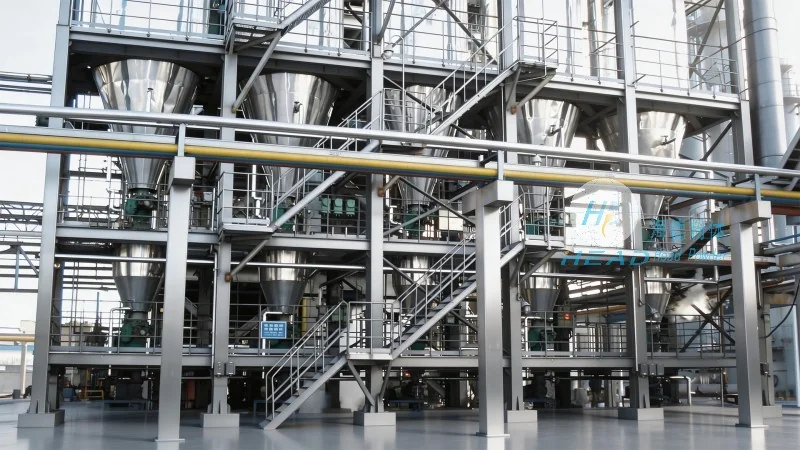
Key Components and Structure
A typical bin pump system consists of several critical components, each playing a vital role in the overall operation. The main parts include the hopper or bin, the pump unit, the air compressor or vacuum generator, the conveying pipeline, and the control system. The hopper is designed to hold the bulk material, while the pump unit, often a diaphragm or piston type, provides the necessary pressure or vacuum to move the material. The air compressor generates the air flow required for conveying, and the pipeline transports the material from the hopper to the discharge point. The control system manages the operation, ensuring smooth and safe material transfer.
Working Principle of the Bin Pump System
The operation of a bin pump system involves a sequence of steps that ensure efficient material handling. Initially, the hopper is filled with the bulk material. The pump unit then creates a vacuum or pressure, depending on the system configuration. For a vacuum system, the pump draws air and material from the hopper into the pipeline, while for a pressure system, the pump pushes material from the hopper into the pipeline. The material is then transported through the pipeline to the discharge point, where it is released. The control system monitors the pressure and flow, adjusting the pump operation as needed to maintain optimal conveying conditions.
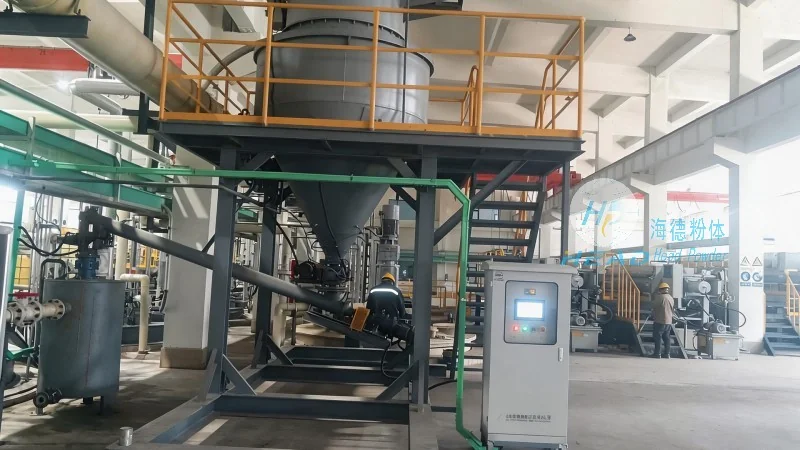
Advantages of Bin Pump Pneumatic Conveying Systems
Bin pump systems offer several advantages over traditional conveying methods. They provide a closed system, which helps prevent dust emissions and product contamination. The positive displacement nature ensures consistent flow rates, even with varying material properties. Additionally, the system is flexible and can be easily integrated into existing production lines. The compact design of the pump unit allows for space-saving installations, making it suitable for various industrial settings.
Applications in Industrial Settings
Bin pump pneumatic conveying systems are widely used in various industries, including food processing, pharmaceuticals, chemicals, and minerals. In the food industry, they are used to transport powders such as flour, sugar, and spices, ensuring hygienic and efficient handling. In the pharmaceutical sector, the closed system helps maintain product purity and compliance with regulatory standards. The chemical industry utilizes bin pumps for transporting powders like pigments, additives, and catalysts, while the minerals industry uses them for handling ores and other bulk materials. The versatility of the system makes it suitable for a wide range of applications, from small-scale operations to large industrial plants.
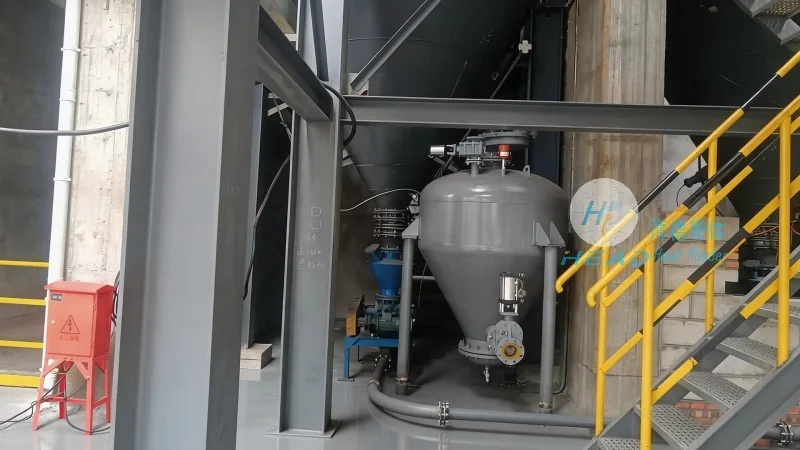
Maintenance and Operational Considerations
To ensure the longevity and efficiency of a bin pump system, proper maintenance is crucial. Regular checks of the pump unit, air compressor, and pipeline are necessary to identify and address any issues promptly. The hopper should be cleaned regularly to prevent material buildup and blockages. The control system should be calibrated to maintain optimal pressure and flow rates. Additionally, users should follow the manufacturer's guidelines for operation and maintenance to maximize the system's performance and lifespan.
Conclusion
Bin pump pneumatic conveying systems are a reliable and efficient solution for bulk material handling. With their closed system design, consistent flow rates, and flexibility, they offer significant advantages over traditional conveying methods. HeadPowder, as a leading manufacturer, provides high-quality bin pump systems that meet the diverse needs of various industries. By understanding the structure and working principles of the system, users can make informed decisions about integrating this technology into their operations, ensuring smooth and effective material transport.