

Introduction to Automatic Pneumatic Conveying Systems: Structure and Working Principles
HeadPowder, a leading enterprise in the field of pneumatic conveying technology, specializes in the design, manufacturing, and integration of automatic pneumatic conveying systems. With a strong presence in Shandong, China, the company has established itself as a reliable partner for industries seeking efficient material handling solutions. This article provides an overview of the automatic pneumatic conveying system, detailing its structure and operational principles.
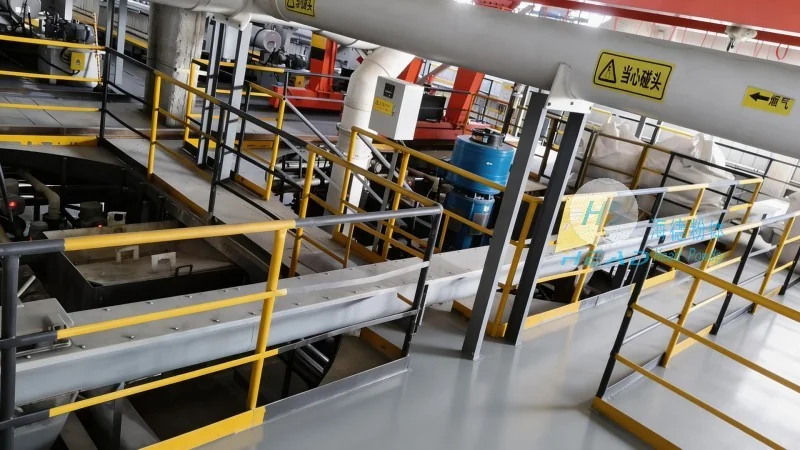
Company Profile: HeadPowder
HeadPowder Engineering Co., Ltd. is a professional manufacturer and supplier of pneumatic conveying equipment. The company, based in Shandong, China, focuses on delivering high-quality, customized solutions tailored to the specific needs of various industrial sectors. By combining advanced engineering expertise with rigorous quality control, HeadPowder ensures that its systems meet international standards and deliver optimal performance in material transport applications.
Overview of Automatic Pneumatic Conveying Systems
Automatic pneumatic conveying systems are advanced material handling technologies that utilize compressed air or other gases to transport bulk materials from one location to another. Unlike traditional mechanical conveyors, these systems offer flexibility, efficiency, and the ability to handle a wide range of materials, including powders, granules, and fine particles. The primary goal of such systems is to facilitate seamless and continuous material movement within industrial processes, reducing downtime and operational costs.
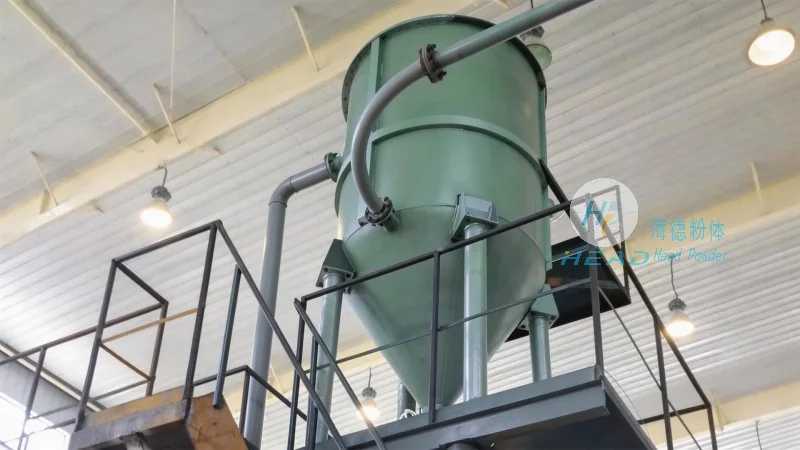
Key Components and Structure of the System
The automatic pneumatic conveying system consists of several critical components that work in tandem to achieve effective material transport. The main parts include the material feed hopper, the air compressor or blower, the conveying line (typically made of metal or flexible tubing), the control valves, and the discharge hopper. Each component plays a vital role in the overall operation:
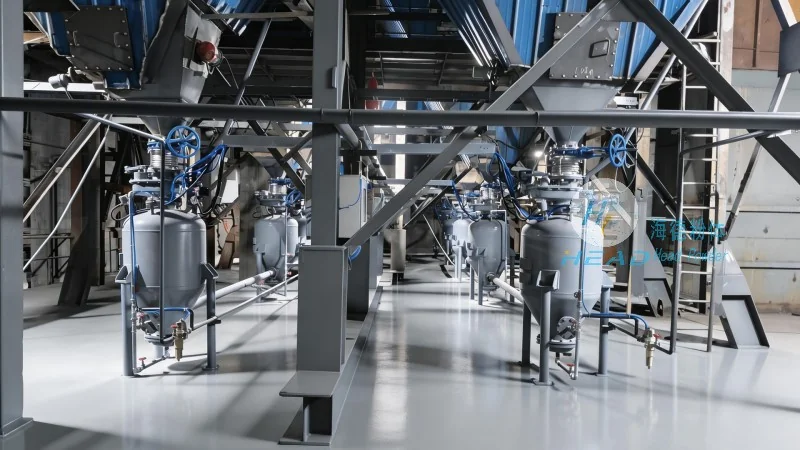
- Material Feed Hopper: This component is responsible for storing and feeding the bulk material into the system. It ensures a consistent flow of material to the conveying line, preventing blockages and maintaining system efficiency.
- Air Compressor or Blower: The heart of the system, the air compressor or blower generates the necessary pressure and airflow to move the material through the conveying line. The choice of equipment depends on the material's characteristics, such as density and particle size, as well as the required conveying distance.
- Conveying Line: The line serves as the pathway for the material and air mixture. It can be either rigid metal pipes or flexible hoses, selected based on the application's requirements, including material compatibility and space constraints.
- Control Valves: These valves regulate the flow of air and material, allowing for precise control over the conveying process. They help in managing the pressure, flow rate, and direction of material movement, ensuring smooth operation and preventing system overloads.
- Discharge Hopper: The final component where the conveyed material is collected. It is designed to handle the material's characteristics, such as moisture content or particle size, and facilitates easy discharge into the next processing stage.
Working Principles of the Automatic Pneumatic Conveying System
The operation of the automatic pneumatic conveying system follows a systematic process that ensures efficient material transport. The steps involved are as follows:
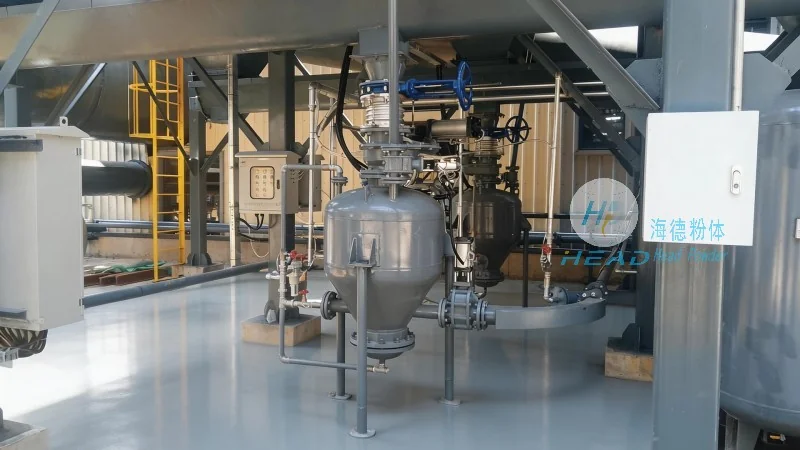
- Material Loading: The bulk material is loaded into the feed hopper. The hopper's design, often equipped with a gate or feeder, controls the material's discharge rate into the conveying line.
- Air Supply Initiation: The air compressor or blower is activated, generating compressed air that flows through the conveying line. The air pressure is adjusted to match the material's properties and the required conveying distance.
- Material Suspension: As the air flows through the conveying line, it creates a flow of air and material mixture. The material particles are suspended in the air stream, allowing them to be transported efficiently without the need for mechanical contact.
- Transport to Discharge Point: The suspended material travels through the conveying line to the discharge hopper. The system's design ensures that the material reaches the destination without significant loss or degradation.
- Material Discharge: At the discharge point, the material is collected in the hopper. The air flow may be controlled to ensure complete discharge, preventing material buildup or clogging.
Advantages of Automatic Pneumatic Conveying Systems
Automatic pneumatic conveying systems offer several advantages over traditional material handling methods. These benefits make them an ideal choice for industries dealing with bulk materials:
- Flexibility and Versatility: The systems can handle a wide variety of materials, including powders, granules, and fine particles, with minimal adjustments. They can also be configured for different conveying distances and layouts, making them adaptable to various industrial settings.
- Reduced Downtime and Maintenance: Unlike mechanical conveyors that may experience wear and tear from material friction, pneumatic systems have fewer moving parts and are less prone to breakdowns. This results in lower maintenance costs and longer operational life.
- Hygienic and Clean Operation: The enclosed design of pneumatic conveying systems prevents contamination from external sources and minimizes dust emissions. This is particularly important in industries such as food, pharmaceuticals, and chemicals, where hygiene is critical.
- Energy Efficiency: Modern pneumatic systems are designed to be energy-efficient, utilizing advanced air compressors and control systems that optimize air usage and reduce energy consumption.
- Space Efficiency: The flexible nature of the conveying line allows for installation in confined spaces, making it suitable for facilities with limited room for traditional conveyors.
Applications in Various Industries
Automatic pneumatic conveying systems are widely used across multiple industrial sectors due to their versatility and efficiency. Some common applications include: