HeadPowder, a leading manufacturer based in Shandong, China, specializes in the design and production of dust pneumatic conveying systems. This article provides an overview of the equipment's structure and operational principles, highlighting key components and their functions.
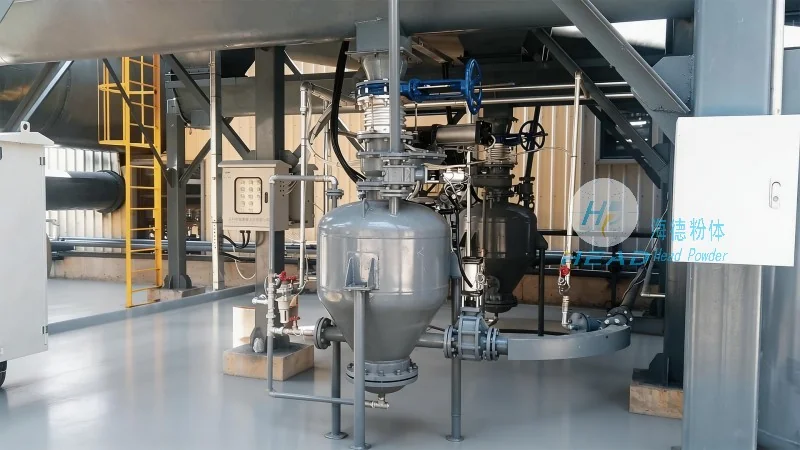
Shandong HeadPowder Engineering Co., Ltd. is a professional enterprise dedicated to the research, development, and manufacturing of pneumatic conveying solutions. With a strong focus on innovation and quality, the company has established itself as a trusted supplier in the industry. HeadPowder's products are engineered to meet the diverse needs of various industries, ensuring efficient and reliable material handling.
The dust pneumatic conveying system typically consists of several core components that work in tandem to transport powders and fine particles. The primary structure includes the feeding unit, conveying pipeline, air source system, and control mechanisms. Each component plays a crucial role in the overall operation of the equipment.
1. Feeding Unit: This component is responsible for introducing the material into the conveying system. It may include hoppers, feeders, or rotary valves that ensure a consistent and controlled flow of the material. The design of the feeding unit is critical to prevent material buildup and ensure smooth entry into the pipeline.
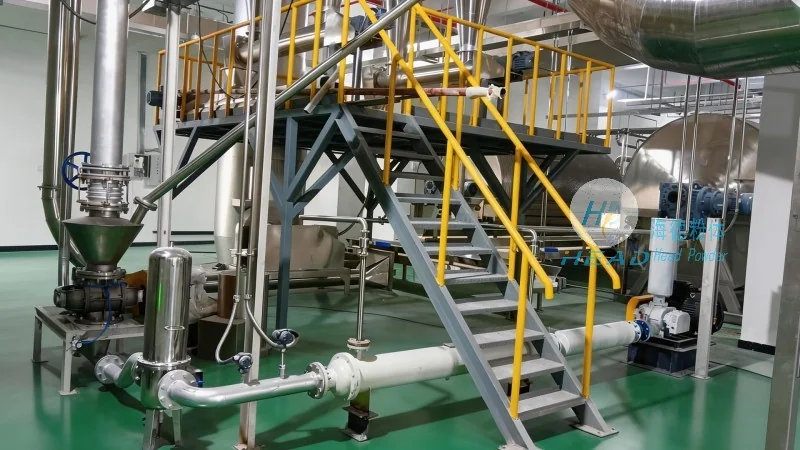
2. Conveying Pipeline: The pipeline is the main channel through which the material is transported. It is usually made of materials such as stainless steel or plastic, chosen for their durability and resistance to corrosion from the conveyed material. The pipeline may include bends, elbows, and expansion joints to accommodate changes in direction and pressure.
3. Air Source System: This system provides the necessary air pressure and flow to move the material through the pipeline. It typically consists of a blower or compressor, air filters, and pressure regulators. The air source is designed to generate sufficient pressure to overcome the resistance in the pipeline and ensure the material is transported efficiently.
4. Control and Monitoring Systems: These components allow operators to monitor and control the conveying process. They may include pressure gauges, flow meters, and control panels that provide real-time data on the system's performance. The control systems help maintain optimal operating conditions and prevent issues such as blockages or overpressure.
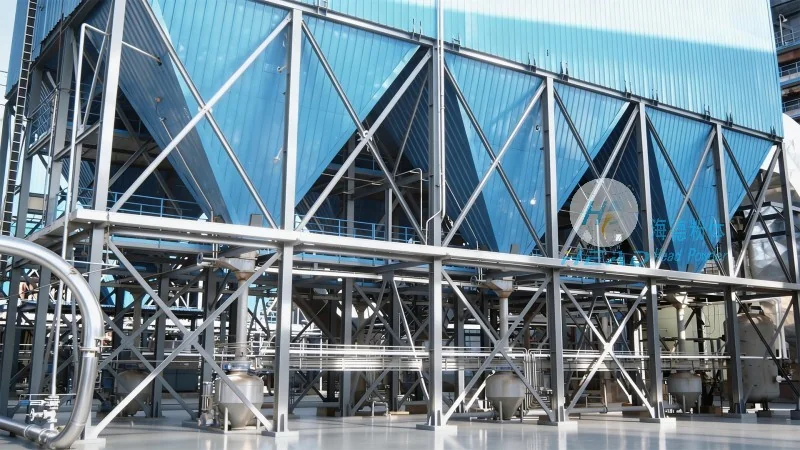
The operation of a dust pneumatic conveying system relies on the principle of air movement to transport the material. The air source generates a high-pressure air stream that carries the material particles through the pipeline. The material is suspended in the air stream, allowing it to be transported over long distances without the need for mechanical components like belts or buckets.
The system operates by creating a pressure differential between the inlet and outlet of the pipeline. The high-pressure air at the inlet draws the material into the pipeline, while the lower pressure at the outlet allows the material to be discharged at the receiving end. The speed and pressure of the air are carefully controlled to ensure the material is transported at an optimal rate, minimizing wear on the equipment and preventing material degradation.
Dust pneumatic conveying systems offer several advantages over traditional material handling methods. They are ideal for transporting fine powders and granules, as they prevent material contamination and reduce dust exposure. The systems are also flexible, allowing for changes in the conveying route and capacity without significant modifications. Additionally, they are compact and can be installed in various environments, making them suitable for both industrial and commercial applications.
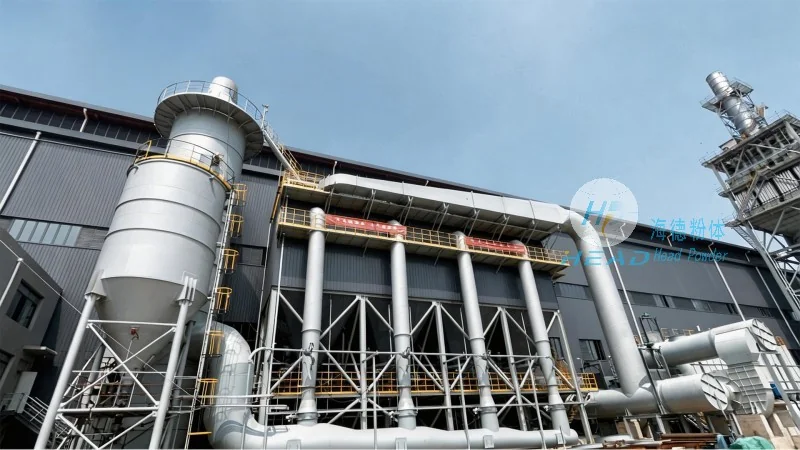
The versatility of dust pneumatic conveying systems makes them suitable for a wide range of industries. These include pharmaceuticals, food processing, chemical manufacturing, and mining. In the pharmaceutical industry, the systems are used to transport powders and granules while maintaining strict hygiene standards. In food processing, they ensure that the material is handled in a clean and sanitary manner. In chemical manufacturing, the systems help transport hazardous materials safely and efficiently. In mining, they are used to transport minerals and ores from one location to another.
Maintaining the performance and safety of dust pneumatic conveying systems is essential for their long-term operation. Regular maintenance, including cleaning the pipeline and replacing worn parts, is necessary to prevent blockages and ensure efficient operation. Safety considerations include proper ventilation to remove dust and ensuring that the system is properly grounded to prevent electrical hazards. HeadPowder provides comprehensive maintenance services and safety guidelines to ensure that their equipment operates reliably and safely.
Dust pneumatic conveying equipment, with its advanced structural design and operational principles, offers an efficient and reliable solution for material handling in various industries. Shandong HeadPowder Engineering Co., Ltd. continues to innovate and improve its products to meet the evolving needs of the market, providing high-quality solutions that enhance productivity and safety. By understanding the key components and principles of these systems, users can make informed decisions about their material handling requirements and choose the most suitable equipment for their applications.

 Shandong Headpowder Engineering Co., Ltd.
 156-6277-7102(Manager Zhang)
  0531-83386006
  Jinan City, Shandong Province, China
telephone
WeChatconsult
top